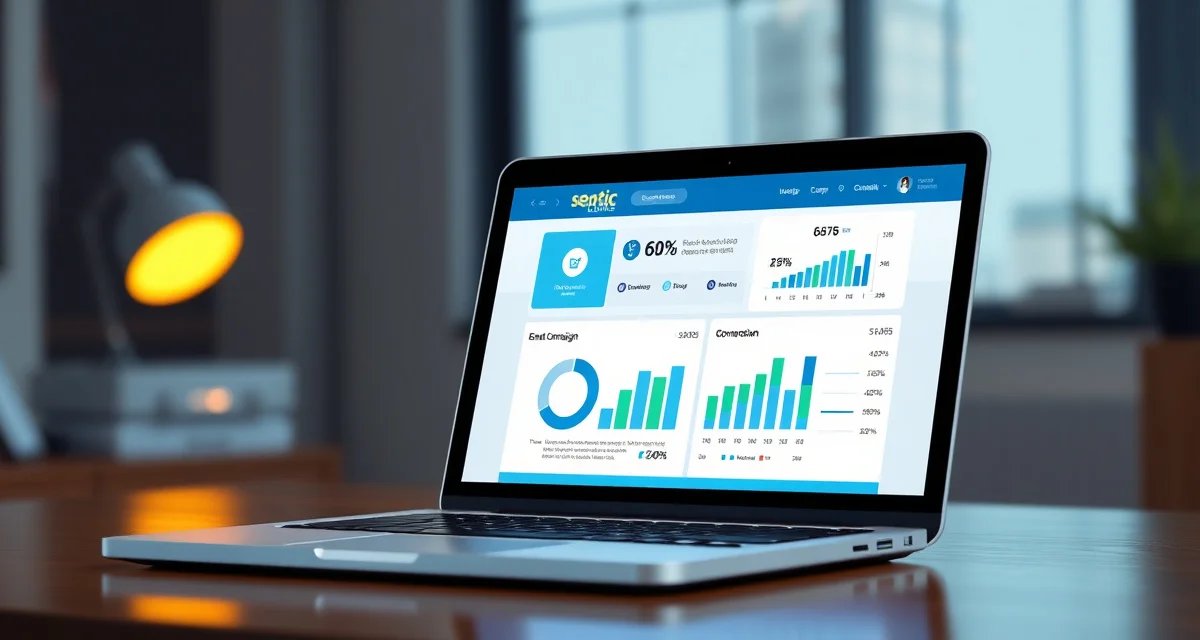
Septic Company Email Marketing: Turn Your Customer List Into Revenue
By the SepticMind Editorial Team
Septic companies with active email programs recover 22% more lapsed customers per year than those without. And a targeted maintenance reminder email to 1,000 customers generates an average of 73 booked jobs. At $300 per job, that's $21,900 in revenue from one email to a list you already own.
TL;DR
- Septic Company Email Marketing: Turn Your Customer List Into Revenue requires balancing field operations, customer relationships, compliance obligations, and administrative management.
- Recurring service agreements provide the most predictable revenue base in the septic trade and should be a priority for growing businesses.
- Digital tools that automate scheduling, reminders, invoicing, and reporting reduce administrative overhead without adding staff.
- Tracking key performance metrics by route, technician, and service type identifies the most profitable and least profitable parts of the operation.
- Customer retention improvement through systematic follow-up typically generates more revenue than equivalent spending on new customer acquisition.
- Building commercial and institutional accounts alongside residential pumping creates revenue stability that supports equipment and hiring decisions.
Email marketing works for septic companies because the relationship is built in. You've already served these customers. They trust you enough to have paid you. When you send them a relevant, timely message, they read it. Open rates for maintenance reminder emails from septic companies run around 48% because the content is genuinely useful to the recipient.
Here's how to build the list and use it effectively.
Building an Email List From Your Customer Base
How do I build an email list from my existing septic customer base?
Start with what you have. If you have customer records in any form, whether a spreadsheet, an old software system, or paper files, you have the starting point. Export or transfer every customer record that includes an email address.
For customers without email on file, collect it going forward:
- Ask for email at booking
- Ask for email at job completion for "service report delivery"
- Include a line on any paper forms you still use
- Add email collection to your website contact form and booking form
Email is more reliable than phone numbers for long-term customer contact. Phone numbers change. Emails change too, but less frequently. Building the habit of always collecting email pays dividends over time.
Be transparent about what you'll send. "Can I get your email for service updates and annual maintenance reminders?" is an honest ask that most customers will accept.
What Email Content Drives Septic Service Bookings
What email content is most effective for driving septic service bookings?
Annual maintenance reminders. This is your highest-conversion email type. "It's been [X] years since your last service. Based on your household size and system, we recommend scheduling your next pumping soon." Include a booking link. This email works because it's specific to the customer's situation and because the customer knows they need to service their system eventually.
Seasonal campaign emails. Spring "get ready for summer" and fall "prepare before winter" campaigns perform well because they attach the service to something the customer is already thinking about. "Before the ground freezes, schedule your septic inspection" is a relevant message in October.
Real estate inspection promotions. If you do real estate inspections, email to customers who have moved recently or who are homeowners in areas with high transaction activity is relevant. "Know someone buying or selling a home with a septic system? We provide fast reports accepted by all major lenders."
System age-specific campaigns. Customers with older systems respond to "systems over 15 years old benefit from more frequent inspection" messaging. You can segment your list by system age if that data is in your records.
Lapsed customer recovery. Customers who haven't booked in 2+ years respond to re-engagement messages. "We miss you. Your system may be due for service. Here's an offer to get back on schedule."
How Often to Send
How often should a septic company send email marketing messages?
Monthly is a reasonable frequency for most septic companies. More than monthly risks feeling intrusive for a service category where customers don't think about their septic system every day. Less than quarterly means lapsed customers forget you exist before your re-engagement email arrives.
A practical calendar:
- January: Winter check-in for customers in cold climates; southern states, spring preview
- March/April: Spring service campaign
- June: Summer reminder for customers who haven't scheduled yet
- September: Fall prep campaign
- October/November: Pre-winter service reminder
- December: End-of-year re-engagement for lapsed customers
That's 6-7 emails per year, which is enough to stay top of mind without overwhelming anyone's inbox.
Writing Effective Subject Lines
Subject lines determine whether your email gets opened. For septic service emails, the best subject lines are:
- Specific: "Your septic tank may be 2 years overdue for service"
- Relevant: "Spring septic checkup reminder for [neighborhood/town] homeowners"
- Useful: "3 signs your septic system needs attention this season"
Avoid subject lines that look like marketing blasts: "SPECIAL OFFER: Summer Septic Deal!" or generic lines like "Important information about your service."
Personalization helps. An email with the recipient's name in the subject line gets a higher open rate. Your email platform can insert the customer's first name automatically if it's in your list data.
Integrating Email With Your Service Platform
SepticMind's automated reminder emails generate at the right time for each customer based on their service history and system data. Customers who haven't been in for 2.5 years on a 3-year interval trigger an automatic reminder email. Customers approaching their ATU quarterly maintenance date trigger a reminder.
This automation means your email marketing runs without requiring you to manually build campaigns for each customer. The platform knows when each customer's service interval is approaching and sends the relevant message at the right time.
For higher-intent campaigns like seasonal promotions or lapsed customer re-engagement, combine the automated reminders from SepticMind with broader campaign emails through your preferred email platform, using the customer list exported from your service records.
The combination of automated service reminders and periodic campaign emails is more effective than either alone. Automated reminders are timely and personalized. Campaign emails are broad and promotional. Together, they keep your company visible at both the service interval and the seasonal opportunity level.
Get Started with SepticMind
Running a profitable septic business means managing compliance, customer relationships, and field operations without letting any of them slip. SepticMind handles the operational and compliance infrastructure so you can focus on growing the business. See what the platform can do for your operation.
Frequently Asked Questions
How do I build an email list from my existing septic customer base?
Start by exporting every customer record that includes an email address from your current system. For customers without email on file, collect it at every booking and job completion going forward. Ask for email for "service updates and maintenance reminders," which is an accurate description of how you'll use it. Add email collection to your booking form, website contact form, and any paper forms you still use. Building the email collection habit consistently compounds over time into a valuable marketing asset.
What email content is most effective for driving septic service bookings?
Annual maintenance reminders personalized with the customer's service history generate the highest booking conversion rate. These emails work because they're specific, relevant, and timely. Seasonal campaign emails (spring prep, fall readiness) perform well because they attach the service to something customers are already thinking about. Lapsed customer re-engagement emails recover a meaningful percentage of customers who have drifted to competitors or simply forgotten to schedule. Real estate inspection promotions work well when targeted to homeowner audiences in active transaction markets.
How often should a septic company send email marketing messages?
Monthly is appropriate for most companies, though every service category is different. Six to seven emails per year, timed to seasonal service patterns, maintains visibility without overloading inboxes. More than monthly may feel intrusive for a category where customers aren't thinking about their septic system daily. Less than quarterly means lapsed customers may forget you before you reach them again. The sweet spot for most companies is bimonthly to monthly, with additional sends during peak service seasons.
What metrics matter most for managing a septic service business?
The most important operational metrics for a septic service company are route utilization rate (percentage of available truck capacity actually booked), customer retention rate (percentage of customers who return for the next service visit), revenue per truck per day, cost per job including labor, disposal, fuel, and overhead allocation, and recurring revenue percentage from service agreements versus one-time calls. Companies that track these metrics by route and by technician identify improvement opportunities faster than those looking only at total revenue.
How does field service software reduce administrative costs for septic companies?
Field service software eliminates manual steps in scheduling, dispatching, invoicing, permit tracking, and inspection report preparation. Tasks that take an office manager 2-4 hours per day on spreadsheets and phone calls are handled automatically: reminders go out, reports generate, invoices are sent, and permit deadlines are flagged without human intervention. The hours saved are redeployed to customer service, sales, and higher-value work that grows the business.
Try These Free Tools
Sources
- National Onsite Wastewater Recycling Association (NOWRA)
- US EPA Office of Wastewater Management
- National Environmental Services Center (NESC)
- Water Environment Federation
- Occupational Safety and Health Administration (OSHA)