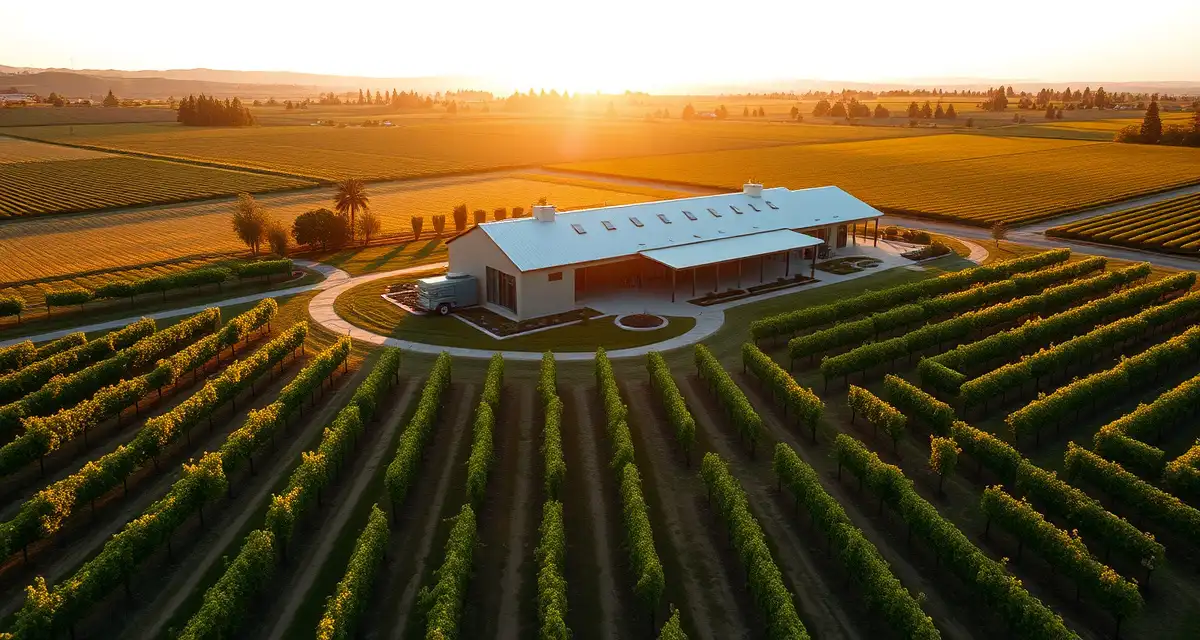
Septic Service for Wineries and Agricultural Tourism Properties
By the SepticMind Editorial Team
California alone has 4,200 licensed wineries, many with onsite septic systems managing high event traffic. Multiply that across wine-producing states like Oregon, Washington, Virginia, and New York, and you're looking at tens of thousands of agricultural tourism properties where septic failure isn't just an inconvenience -- it's a business-stopping emergency that can ruin an event, trigger a health department response, and cost far more than a scheduled service call ever would.
TL;DR
- Wineries facilities have distinct wastewater loading patterns that affect septic system sizing, service frequency, and permit requirements.
- Commercial and institutional properties like wineries typically require more frequent pumping than residential systems due to higher daily usage.
- Some wineries operations generate waste streams (grease, chemicals, or high-volume flow) that require pre-treatment before reaching the septic system.
- Service contracts for wineries provide predictable recurring revenue and are easier to manage with a platform that tracks commercial account schedules.
- Health department inspections for wineries properties may require septic system condition documentation as part of facility licensing.
- Septic companies specializing in wineries service build referral networks with property managers, architects, and health inspectors in that niche.
Winery event weekends can put 10x normal daily flow through septic systems not designed for event-scale use. A system that handles the winery's daily staff and production operations fine might be completely overwhelmed during a weekend tasting event with 200 guests. Understanding this dynamic -- and building service programs around it -- is what separates septic companies that serve wineries well from those that treat them like any other commercial account.
The Unique Challenge of Agricultural Tourism Septic
Most commercial septic systems are sized for predictable daily loads. A restaurant knows roughly how many covers it serves. An office knows its headcount. Wineries don't have that predictability. They alternate between days with minimal traffic (standard production operations, small staff) and days with extreme loads during harvest events, wedding weekends, and wine club release parties.
That variability creates a specific service challenge. If you schedule winery accounts on a standard interval based on average use, you'll underservice them before events and overservice them after slow periods. The right approach is event-driven scheduling -- knowing what's on the winery's calendar and planning service around it.
The production side adds another layer. Winery wastewater from crush season processing is a very different waste stream than event restroom use. Grape must, wash-down water from equipment cleaning, and barrel washing all produce high-BOD waste that can stress a septic system's treatment capacity even when volume is modest.
Event-Driven Service Scheduling
The most effective septic service programs for winery accounts work directly off the event calendar. Before each busy season, you need to know:
- Major event dates (wedding bookings, wine release events, harvest festivals)
- Expected attendance at each event
- Current system capacity and last pump-out date
- Access conditions to the tank (many winery systems have challenging access in planted areas)
With that information, you can schedule pre-event pump-outs with enough lead time to confirm the system is at capacity to handle the load. SepticMind's winery account type tracks event-driven service scheduling and emergency response protocols, so the service history and upcoming event flags are always visible when you're planning the schedule.
Post-event follow-up inspections also matter for high-use accounts. After a 300-person harvest festival, it's worth confirming system condition rather than assuming everything is fine until the next scheduled interval.
Permit Requirements for Winery Septic Systems
Winery septic permits are more complex than standard residential or simple commercial permits in most states. The key variables that affect permitting are:
Occupancy type. Wineries that host public tasting events are often classified differently than production facilities. A tasting room open to the public may require a commercial septic permit even if the production facility uses a separate system.
Event capacity. Many states regulate maximum event attendance based on onsite sanitation capacity. Exceeding permitted capacity at an event is a health code violation even if the septic system technically handles the load.
Wastewater types. Production wastewater (from crush operations) may require separate pretreatment or a separate disposal system from domestic wastewater (from restrooms and kitchen use). Some states require winery production wastewater to go through a treatment lagoon before entering a septic system.
Local health department requirements. Wine country counties often have highly specific requirements built from years of dealing with winery operations. What applies in Napa County is different from what applies in the Willamette Valley or the Finger Lakes.
Before taking on a new winery account, verify the permit status of both the event and production septic systems. Serving a winery without knowing the permit conditions puts you in a position where your service might not align with what's actually required.
High-BOD Production Wastewater
Crush season creates the most significant septic challenge at production wineries. During harvest -- typically six to ten weeks depending on the region -- the winery is processing tons of grapes, cleaning equipment multiple times daily, and generating wastewater with organic loading that can be 15-20x higher than residential wastewater on a concentration basis.
Conventional septic systems handle biological oxygen demand (BOD) through the bacterial action in the drainfield. When BOD loading exceeds what the drainfield can process, you get stress to the soil matrix, surfacing effluent, and eventually drainfield failure. For wineries on conventional systems, crush season is the period of highest failure risk.
Service companies serving winery accounts during crush season should:
- Schedule a pre-crush pump-out to enter the season with maximum capacity
- Monitor more frequently during the six to eight-week crush period
- Document any changes in system performance indicators
- Recommend alternative management if the system is showing stress
Some larger wineries have moved to engineered lagoon systems or constructed wetlands for production wastewater, with conventional septic handling only domestic waste. If you're working with a winery making that transition, your documentation of the existing system's performance history supports the design process.
Agricultural Tourism Properties Beyond Wineries
The same event-driven service challenges apply to other agricultural tourism venues:
U-pick operations see extreme seasonal spikes on weekends during harvest periods. A strawberry farm that's quiet five days a week might host 1,000 visitors on a Saturday.
Farm-to-table restaurants and farm stands often operate with restaurant-level septic demand in rural settings where systems were permitted for lower use.
Agritourism wedding venues -- barn weddings on rural properties -- represent one of the fastest-growing segments of the agritourism market. A barn that seats 200 for a wedding reception creates the same demands as a commercial event venue.
Agricultural education centers and working farm museums serve school groups and tour visitors with variable attendance that doesn't fit a standard commercial service interval.
For all of these property types, the service approach is the same: work off the activity calendar, schedule pre-event service, and document system performance through the busy season rather than setting it and forgetting it.
Emergency Response Protocols for Winery Accounts
Winery owners are particularly concerned about emergencies during events, and for good reason. A septic backup during a wedding reception or a major tasting event creates immediate liability, health department risk, and reputational damage that can affect bookings for years.
Your emergency response protocol for winery accounts should include:
- After-hours contact number that actually reaches a decision-maker
- Commitment to emergency response time (what's realistic for your area)
- Documentation of emergency service history in the account record
- Clear pricing for emergency after-hours calls so there are no surprises
Being the company that shows up reliably in an emergency is how you build long-term winery account relationships. These accounts have money to spend on septic service and they remember who came through when it mattered.
Seasonal Service Planning
The winery service calendar should be built around the wine-making calendar, not a standard annual interval:
Winter (January-March): Slow season for most wineries. Good time for comprehensive tank inspections, drainfield assessments, and any needed repairs. Systems can be accessed more easily when ground is not planted or in active use.
Spring (April-May): Pre-event season preparation. Events start picking up. Schedule pump-outs before wedding and spring wine release event season begins.
Summer (June-August): Peak event season for most wineries. Maintain high-frequency contact with account managers about upcoming events. Have emergency availability confirmed.
Harvest/Crush (September-October): Highest production wastewater period. Pre-crush pump-out is essential. Monitor more frequently for high-BOD accounts.
Fall Events (October-November): Harvest festivals and fall wine events create event-level demand on top of the crush season stress. Double event load on potentially stressed systems.
Pricing Winery Accounts
Winery accounts should not be priced like standard commercial accounts. The complexity of event-driven scheduling, the liability exposure during events, and the seasonal demand patterns all justify premium pricing.
Structure winery service agreements to include:
- Annual base service (minimum pump frequency based on production-only use)
- Per-event pre-pump service at a defined rate
- Emergency response availability at a clear after-hours rate
- Seasonal monitoring visits during crush season
This structure aligns your pricing with the actual work involved and gives the winery a clear understanding of what they're paying for.
Get Started with SepticMind
Managing service contracts for wineries properties is easier with a platform built for the septic trade. SepticMind tracks commercial service schedules, documents every inspection visit, and keeps your compliance records organized by property. See how it handles your commercial account portfolio.
Frequently Asked Questions
How often should a winery or event venue septic system be serviced?
There's no single answer because the right service frequency depends on the system size, event calendar, and production volume. As a baseline, most winery septic systems should be pumped at least once per year regardless of use -- and more frequently if the winery hosts more than 10-12 significant events annually or has active crush season production. Event-driven scheduling is more appropriate than fixed intervals: schedule a pump-out before any event expected to bring more than 100 guests, and assess system condition during and after crush season. A winery account that relies on calendar-based annual service is probably being underserviced during peak seasons.
What permits does a winery need for its onsite septic system?
Requirements vary by state and county, but most wine-producing regions require separate permits for tasting room (public assembly) septic and production facility septic. Many states cap event attendance based on onsite sanitation capacity -- exceeding that cap is a health code violation even if the system handles the load. Production wastewater in some states requires pretreatment before entering a septic system due to high BOD loading from crush operations. Your local health department and state environmental agency are the definitive sources, and requirements in wine country counties are often more detailed than standard commercial requirements.
Does SepticMind support event-driven septic service scheduling for wineries and venues?
Yes. SepticMind's winery account type allows you to log event dates and expected attendance directly in the account record, triggering service reminders in advance of scheduled events. The account history tracks which events drove service calls, making it easy to identify patterns and plan the following year's schedule. Emergency response protocols are documented at the account level so all technicians know the contact procedures for a winery emergency. You can also maintain separate service records for tasting room and production facility systems if the winery operates both on the same property.
How often should a septic system serving a wineries property be inspected?
Septic systems at wineries properties should be inspected at least annually and pumped more frequently than residential systems, since commercial-scale daily water usage accelerates sludge and grease accumulation. The exact frequency depends on the specific activities at the facility, peak occupancy, any food service or chemical use on-site, and local regulatory requirements. A service provider familiar with wineries operations can recommend an appropriate inspection and pumping schedule based on the system's actual usage profile.
What septic system issues are most common at wineries properties?
The most common septic problems at wineries properties are rapid sludge accumulation from high occupancy, grease trap failure if food service is involved, hydraulic overloading during peak-use periods, and non-biodegradable waste disposal from cleaning or maintenance activities. Regular inspection and a service contract with clear maintenance intervals are the most effective ways to catch these problems before they cause system failure or regulatory violations.
Try These Free Tools
Sources
- National Onsite Wastewater Recycling Association (NOWRA)
- US EPA Office of Wastewater Management
- NSF International
- Water Environment Federation
- National Environmental Services Center (NESC)