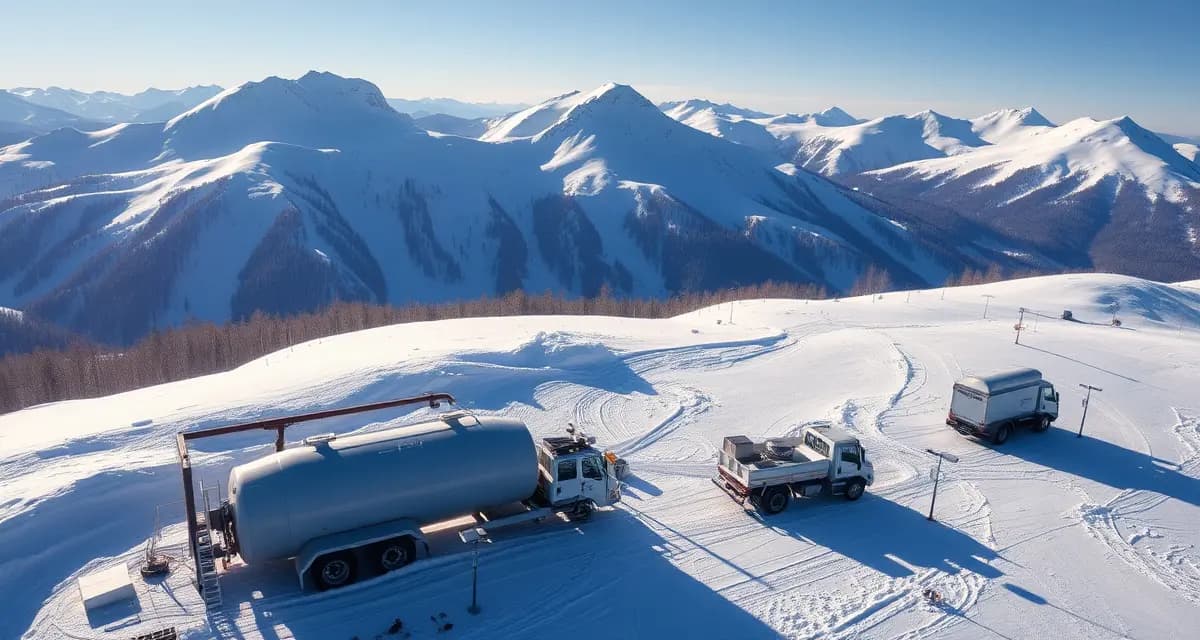
Septic Service for Ski Resorts and Mountain Recreation Facilities
By the SepticMind Editorial Team
Mountain watershed protection rules create the strictest septic setback requirements in any US environment, and ski resort septic systems serve their peak loads in winter -- the most challenging season for service access. When a system fails at a ski resort during peak season, the consequences include health department closure orders, remediation requirements in sensitive watershed zones, and the kind of reputational damage that takes years to recover from.
TL;DR
- Ski Resorts facilities have distinct wastewater loading patterns that affect septic system sizing, service frequency, and permit requirements.
- Commercial and institutional properties like ski resorts typically require more frequent pumping than residential systems due to higher daily usage.
- Some ski resorts operations generate waste streams (grease, chemicals, or high-volume flow) that require pre-treatment before reaching the septic system.
- Service contracts for ski resorts provide predictable recurring revenue and are easier to manage with a platform that tracks commercial account schedules.
- Health department inspections for ski resorts properties may require septic system condition documentation as part of facility licensing.
- Septic companies specializing in ski resorts service build referral networks with property managers, architects, and health inspectors in that niche.
SepticMind's ski resort account type tracks winter season pre-service scheduling and access condition notes for every facility, ensuring operators can plan service around access windows rather than discovering a service crisis mid-season.
The Mountain Environment Challenge
Ski resort septic management is difficult in ways that flat-terrain operations don't face:
Peak season coincides with worst access. Unlike summer-dominant facilities where pre-season service is straightforward, ski resorts need their systems fully ready before winter operations begin -- and servicing becomes difficult or impossible once snow arrives. Pre-season service in late fall (before first snowfall) is the critical window.
Extreme load variation. A resort that operates 180 days per year with 500 daily visitors on powder days and 50 on weekdays presents a service interval calculation that differs from anything a residential formula captures. The peak days drive the load accumulation; the average days don't reflect the actual stress on the system.
High-altitude environmental regulations. Ski resorts operate in watersheds that feed drinking water supplies and sensitive ecological zones. State and federal regulations governing septic systems in these areas are stricter than lower-elevation rules, often requiring smaller setbacks, more frequent inspection, and documentation of compliance that mountain properties at lower elevations don't face.
Frozen ground complications. In northern mountain environments, ground-surface septic infrastructure -- access risers, drainfield inspection points, distribution box lids -- can be buried under snow or frozen in place. Service in mid-winter may require access excavation or waiting for thaw windows.
Facility Types at a Ski Resort
A ski resort is a collection of distinct facilities, each with its own septic profile:
Base lodge with food service: The highest-load facility at most resorts. A base lodge serving hundreds of skiers with a full food operation produces both high-volume restroom use and high-BOD kitchen wastewater. This system needs pre-season service before each ski season and often mid-season service during peak periods.
Mountain summit facilities: Facilities at elevation -- summit lodges, mid-mountain warming huts, race facilities -- present access challenges that valley facilities don't. Service may require special equipment or scheduling during early-fall access windows before terrain is covered.
Ski school and rental buildings: High throughput with restroom-only loading. Heavy use during peak periods but less wastewater than a food service operation.
Hotel or condominium accommodations: Residential-type systems with consistent daily loading. Less variable than the day-use facilities.
Staff housing: Year-round or extended-season residential loading. Manage like residential accounts with standard intervals.
Each facility type has a different service schedule, access window, and regulatory context. Managing them under a single resort account with individual facility records keeps the service calendar organized and the compliance history complete.
Pre-Season Service: The Only Window That Counts
The entire septic service year at a ski resort turns on one question: is every system fully serviced before the first heavy snowfall?
Pre-season service should be completed by mid-October in northern markets and by late October in more southerly mountain environments. That means:
- All tanks pumped down to maximum capacity
- All access points inspected and secured before freeze
- Any repairs identified from last season completed
- Distribution systems checked before winter load begins
- Condition documentation completed for the resort's compliance records
If pre-season service is delayed until after snowfall, you're into frozen ground conditions. Service may be impossible without excavation, and the systems are entering their highest-demand period without the capacity buffer that a pre-season pump-out provides.
Mid-Season Service Access Planning
For high-use facilities -- primarily base lodges with food service -- mid-season service may be warranted regardless of pre-season service timing. Planning for mid-season service requires:
Identifying accessible routes. Not all resort roads are plowed year-round. Know which access routes are maintained in winter and which require coordination with resort operations.
Coordinating with resort management. Mid-season service during peak periods disrupts operations. Scheduling service on low-traffic weekdays or early mornings reduces the impact on guests.
Equipment considerations. Access in snow conditions may require chains or 4WD capability. Some mountain access points require snowcat or tracked equipment. Know your equipment limitations and plan accordingly.
Time-of-year documentation. If mid-season access is limited, document that limitation in the service record. If service can only be performed during pre-season and post-season windows, that's relevant context for interval calculations.
Environmental Compliance in Mountain Watersheds
Mountain watershed protection creates specific regulatory requirements for ski resort septic systems:
Nutrient loading restrictions: Many mountain watersheds have phosphorus and nitrogen loading restrictions that limit what can be discharged to the subsurface environment. Systems with high loading rates may need enhanced treatment before discharge.
Setback requirements: Setbacks from streams, wetlands, and water bodies in mountain environments are often double or triple the setbacks required at lower elevations.
State inspections: Some states with ski resorts conduct periodic inspections of resort wastewater infrastructure specifically. Resorts that can produce organized service records from SepticMind are in a far better position during these inspections than those relying on paper records or verbal history.
NPDES permits: Larger resort wastewater systems may require National Pollutant Discharge Elimination System permits if they discharge to surface water. SepticMind's compliance tracking supports NPDES documentation alongside state permit requirements.
Get Started with SepticMind
Ski Resorts facilities need a service provider who understands the specific wastewater challenges of their operations. SepticMind makes it easy to manage commercial service contracts, track inspection schedules, and document service visits for every account in your portfolio. See how it supports commercial account management.
Frequently Asked Questions
What environmental requirements govern septic systems at ski resorts?
Ski resort septic systems typically operate in designated watershed protection zones with stricter requirements than standard onsite wastewater permits. Requirements include more conservative setbacks from streams, springs, and wetlands; limits on nitrogen and phosphorus loading in sensitive drinking water watersheds; periodic inspection by state environmental agencies; and enhanced treatment requirements for facilities above specified daily flow thresholds. Ski resorts also interact with US Forest Service permits if they operate on National Forest land -- Forest Service permit conditions may include specific wastewater management requirements beyond what state regulations require. Operating in compliance requires maintaining service records that document both state regulatory and Forest Service permit conditions.
How do ski resorts manage septic service when ground is frozen during peak season?
Pre-season service before first snowfall is the primary management strategy. All tanks should be fully pumped down by mid-October in northern markets before the ground freezes and access becomes difficult. For high-use base lodge systems, this pre-season pump-out creates the maximum capacity buffer for the winter season. Mid-season service is planned during identified low-traffic periods using routes that remain accessible in winter. Some summit facilities and remote installations can only be serviced during a narrow fall access window before terrain closes; these systems need larger capacity buffers to bridge the inaccessible winter period. Post-season service after snowmelt documents condition and identifies any issues from the winter operating period.
Does SepticMind support access condition notes for mountain facility accounts?
Yes. SepticMind's ski resort account type includes access condition fields for each facility, allowing operators and service providers to document which access routes are usable in winter, what equipment is required for mountain access, and which facilities have seasonal access restrictions. Service schedules are built around access windows rather than calendar dates, and the system tracks when pre-season service was completed versus when the ski season opened. Compliance documentation for each facility is maintained separately within the resort account, so when state environmental agencies or Forest Service permit officers request service history for a specific facility, that report can be generated without reviewing records for the entire resort.
How often should a septic system serving a ski resorts property be inspected?
Septic systems at ski resorts properties should be inspected at least annually and pumped more frequently than residential systems, since commercial-scale daily water usage accelerates sludge and grease accumulation. The exact frequency depends on the specific activities at the facility, peak occupancy, any food service or chemical use on-site, and local regulatory requirements. A service provider familiar with ski resorts operations can recommend an appropriate inspection and pumping schedule based on the system's actual usage profile.
What septic system issues are most common at ski resorts properties?
The most common septic problems at ski resorts properties are rapid sludge accumulation from high occupancy, grease trap failure if food service is involved, hydraulic overloading during peak-use periods, and non-biodegradable waste disposal from cleaning or maintenance activities. Regular inspection and a service contract with clear maintenance intervals are the most effective ways to catch these problems before they cause system failure or regulatory violations.
Try These Free Tools
Sources
- National Onsite Wastewater Recycling Association (NOWRA)
- US EPA Office of Wastewater Management
- NSF International
- Water Environment Federation
- National Environmental Services Center (NESC)