Septic Service for Golf Courses and Country Clubs
By the SepticMind Editorial Team
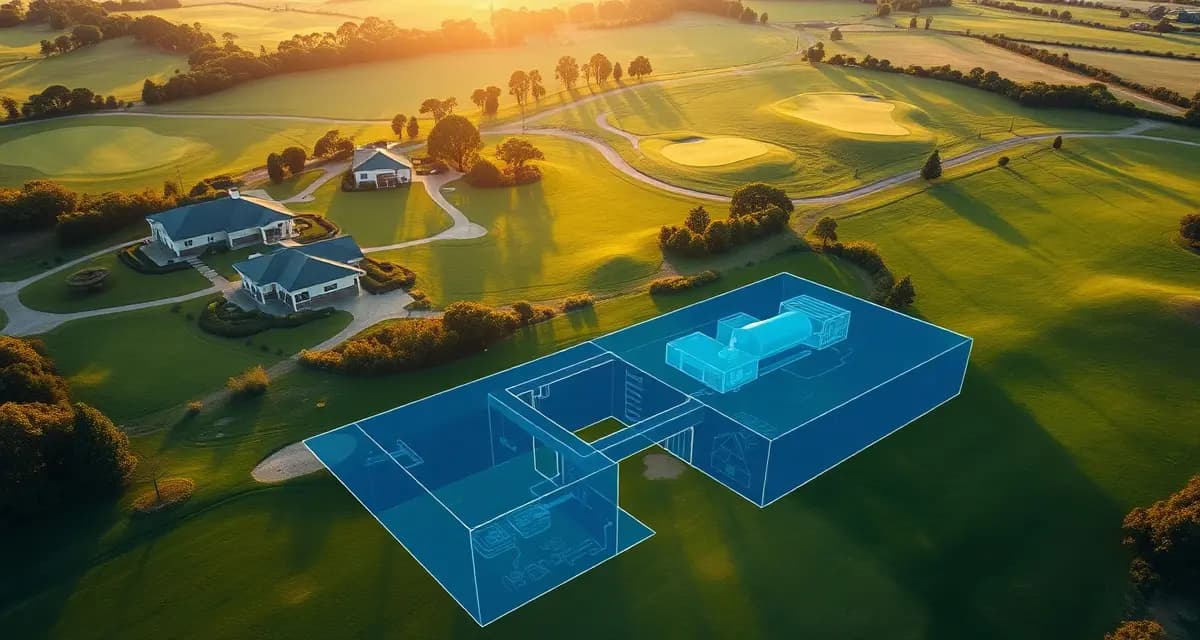
Golf course septic failures during events create immediate customer relations and regulatory problems. Golf courses may have 4-8 separate septic systems serving clubhouses, maintenance buildings, and concessions, each with its own service history, permit status, and maintenance schedule.
TL;DR
- Golf Courses facilities have distinct wastewater loading patterns that affect septic system sizing, service frequency, and permit requirements.
- Commercial and institutional properties like golf courses typically require more frequent pumping than residential systems due to higher daily usage.
- Some golf courses operations generate waste streams (grease, chemicals, or high-volume flow) that require pre-treatment before reaching the septic system.
- Service contracts for golf courses provide predictable recurring revenue and are easier to manage with a platform that tracks commercial account schedules.
- Health department inspections for golf courses properties may require septic system condition documentation as part of facility licensing.
- Septic companies specializing in golf courses service build referral networks with property managers, architects, and health inspectors in that niche.
SepticMind's large property account structure tracks all systems across a golf course campus under one account so nothing falls through the cracks on complex multi-system properties.
The Golf Course Septic Inventory
Before you can service a golf course account effectively, you need a complete inventory of every system on the property. The typical golf course or country club has:
Main clubhouse. The primary facility, where members and guests dine, use restrooms, and congregate for events. The clubhouse system handles the highest daily loading and the highest event-day peaks. Clubhouse systems are typically the largest on the property and the most critical for event operations.
Pro shop and cart barn. Often a smaller separate facility with restrooms and utility plumbing. Sometimes connected to the main clubhouse system; sometimes a separate smaller system.
Maintenance building. The maintenance facility where equipment is stored and maintained typically has its own septic system. Lower loading from staff use, but may have plumbing for equipment washing that affects loading calculations.
On-course restroom facilities. Many courses have on-course comfort stations at strategic points on the course, typically portable facilities for smaller courses, but permanent structures with septic connections on some larger properties. On-course restroom systems serve periodic peak loading on tournament days.
Concessions and beverage cart facilities. Permanent concession buildings at the turn or elsewhere on the course may have food service with grease trap requirements in addition to restroom septic connections.
Event spaces and banquet facilities. Country clubs with banquet facilities for weddings and corporate events have loading patterns that vary dramatically, minimal on a Tuesday morning, extremely high during a Saturday evening wedding reception.
Event Loading as a Service Design Variable
The event loading pattern at country clubs and golf courses is the most important factor in service interval calculation. A facility used for a Saturday afternoon wedding reception with 200 guests generates as much wastewater in one evening as a week of normal operations. A clubhouse hosting 30 tournament days per year has a loading pattern that's entirely different from a comparable-sized restaurant serving similar-sized meals daily.
Service interval calculation for golf course accounts should factor in:
- Typical daily operational loading (rounds per day, dining covers, staff)
- Number and size of events per year
- Peak event occupancy (largest event expected)
- Tank size relative to both daily and peak event loading
For the main clubhouse system, a proactive pre-event pump service before major events (tournament days, weekend events with large groups) prevents the situation where accumulated loading from daily operations plus a high-attendance event exceeds tank capacity.
Grease Trap Management at Golf Facilities
Golf courses and country clubs with food service operations need grease trap service separate from septic service. A full-service clubhouse with a kitchen and restaurant operation has the same grease trap requirements as any restaurant. Concession facilities with fryers or grills have grease trap requirements for any kitchen wastewater.
Track grease trap and septic service intervals independently. A clubhouse that needs septic service every 18 months may need grease trap service every 6-8 weeks during the golf season and every 12 weeks during winter. These cycles are completely independent and shouldn't be confused.
SepticMind's service agreement management supports separate service intervals for multiple components at the same facility. Septic service for restaurants covers grease trap service requirements in detail.
Get Started with SepticMind
Golf Courses facilities need a service provider who understands the specific wastewater challenges of their operations. SepticMind makes it easy to manage commercial service contracts, track inspection schedules, and document service visits for every account in your portfolio. See how it supports commercial account management.
Frequently Asked Questions
How many septic systems does a typical golf course need?
A typical 18-hole golf course or country club has between 4 and 8 separate septic systems depending on the number and type of facilities on the property. The most common systems: main clubhouse (largest system, serving dining and event space), maintenance building (smaller, staff use), pro shop/retail building (sometimes combined with clubhouse, sometimes separate), on-course comfort stations if permanent structures exist, and any concession or event space buildings. Full-service country clubs with multiple dining venues, locker facilities, and event spaces at one end of the range; simpler public courses with just a main building and maintenance facility at the other end. A complete property assessment before taking on the account reveals the full inventory.
How often should a golf course's main clubhouse septic system be serviced?
Service frequency depends on tank size and actual loading patterns. A full-service country club clubhouse with daily dining, bar service, and regular events may need service every 12-18 months. A simpler golf course with a snack bar and limited dining might go 24-36 months between service visits. The event loading pattern notably affects interval: a club hosting 20+ major events per year accumulates sludge faster than one with minimal events. The most accurate interval comes from measuring sludge levels at the first service visit and calibrating the next interval based on actual accumulation since the previous service. Pre-event service for major tournaments or large events is worth discussing with the club management regardless of regular service interval.
Does SepticMind support tracking multiple systems across a single large commercial property?
Yes. SepticMind's large property account structure allows multiple system records under one property account. For a golf course, you create one account for the club with individual system records for each separate septic system: clubhouse system, maintenance building system, pro shop system, and any others. Each system has its own service history, next service date, and compliance notes. When a service visit is completed for the clubhouse system, that record updates the clubhouse system's history (not the other systems' records. The account overview shows all systems' current service status at a glance. For the facilities director, you can pull a consolidated service report showing every system on the property with last service dates and next scheduled service dates) the kind of overview report they'd otherwise need to compile from multiple sources.
How often should a septic system serving a golf courses property be inspected?
Septic systems at golf courses properties should be inspected at least annually and pumped more frequently than residential systems, since commercial-scale daily water usage accelerates sludge and grease accumulation. The exact frequency depends on the specific activities at the facility, peak occupancy, any food service or chemical use on-site, and local regulatory requirements. A service provider familiar with golf courses operations can recommend an appropriate inspection and pumping schedule based on the system's actual usage profile.
What septic system issues are most common at golf courses properties?
The most common septic problems at golf courses properties are rapid sludge accumulation from high occupancy, grease trap failure if food service is involved, hydraulic overloading during peak-use periods, and non-biodegradable waste disposal from cleaning or maintenance activities. Regular inspection and a service contract with clear maintenance intervals are the most effective ways to catch these problems before they cause system failure or regulatory violations.
Try These Free Tools
Sources
- National Onsite Wastewater Recycling Association (NOWRA)
- US EPA Office of Wastewater Management
- NSF International
- Water Environment Federation
- National Environmental Services Center (NESC)