Septic Service for Greenhouses and Flower Nurseries
By the SepticMind Editorial Team
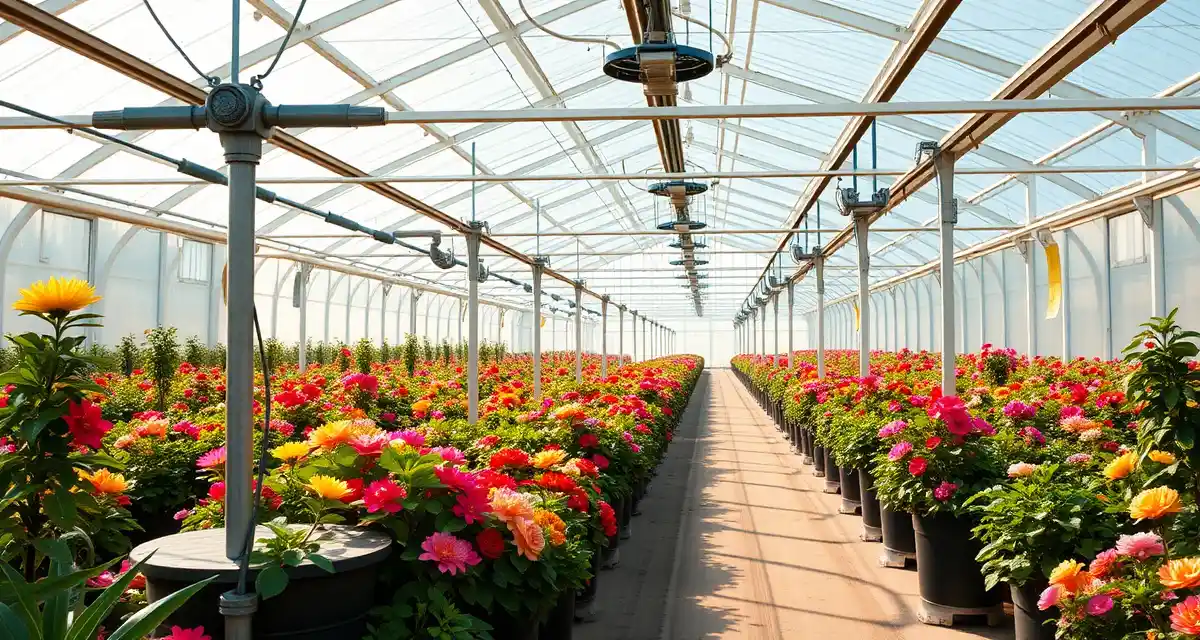
Commercial greenhouses produce more wastewater per square foot than almost any other agricultural operation. Greenhouse irrigation runoff contains fertilizer nitrates that can overload septic drainfields, and EPA and state environmental agencies regulate fertilizer and pesticide disposal in septic-adjacent systems. For greenhouse operators on private septic, the irrigation and fertilizer management picture is directly connected to onsite wastewater compliance.
TL;DR
- Flower Nurseries facilities have distinct wastewater loading patterns that affect septic system sizing, service frequency, and permit requirements.
- Commercial and institutional properties like flower nurseries typically require more frequent pumping than residential systems due to higher daily usage.
- Some flower nurseries operations generate waste streams (grease, chemicals, or high-volume flow) that require pre-treatment before reaching the septic system.
- Service contracts for flower nurseries provide predictable recurring revenue and are easier to manage with a platform that tracks commercial account schedules.
- Health department inspections for flower nurseries properties may require septic system condition documentation as part of facility licensing.
- Septic companies specializing in flower nurseries service build referral networks with property managers, architects, and health inspectors in that niche.
The Nitrogen Loading Problem
The fundamental challenge for greenhouse septic management is nitrogen loading from fertilizer programs. Greenhouse crops require intensive fertilization, and the irrigation water carrying fertilizers through the root zone eventually runs off into drainage systems.
High-nitrate irrigation runoff that enters a septic drainfield creates problems at two levels:
Drainfield overload: Nitrogen overloading disrupts the microbial processes in the drainfield soil that are responsible for treating effluent. When nitrogen concentrations are too high, the biological treatment process is impaired and the system becomes less effective.
Groundwater contamination: Nitrates are highly mobile in soil and move easily into groundwater. EPA's primary drinking water standard for nitrate is 10 mg/L (as nitrogen). Greenhouse irrigation runoff with nitrate concentrations well above this level can contaminate wells and groundwater supplies if it reaches the drainfield.
This is an active regulatory concern. State environmental agencies and county health departments in agricultural areas are increasingly scrutinizing nitrate loading from greenhouse operations.
Pesticide Residues in Greenhouse Wastewater
Pesticide application in commercial greenhouses, whether for insect management, disease control, or other purposes, creates pesticide residues in drainage water. The regulatory concern depends on the specific pesticides used, but the general principle is that pesticide waste cannot be disposed of in ways that contaminate groundwater, which includes routing high-pesticide-load irrigation runoff to a conventional septic drainfield.
EPA pesticide regulations and state agricultural pesticide rules require proper handling of pesticide waste and pesticide-contaminated water. Review your specific pesticide program with your state agricultural extension service or a licensed pesticide applicator to confirm whether your irrigation runoff requires special handling.
SepticMind's greenhouse account type documents fertilizer load considerations in service scheduling. The account captures your fertilizer program and irrigation volume as part of the service context, which helps inform both service interval recommendations and the compliance documentation record.
Water Volume Management in Greenhouses
Beyond chemistry, greenhouses generate high volumes of irrigation water. A commercial greenhouse may apply 1-2 gallons of water per square foot per week during the growing season. For a 10,000 square foot greenhouse, that's 10,000-20,000 gallons of irrigation water per week. Not all of that is absorbed by plants. The runoff volume that needs to go somewhere is significant.
Options for managing greenhouse irrigation runoff:
Closed-loop irrigation systems: Capture and recirculate runoff rather than discharging it. The gold standard from both compliance and water efficiency perspectives. Eliminates the discharge problem entirely.
Settling and filtration before discharge: Systems that settle particulates and reduce fertilizer concentrations before any discharge to a septic or drainage system.
Drip irrigation: Reduces runoff by delivering water directly to the root zone rather than broadcasting.
Separate drainage collection: Route irrigation runoff to a separate drainage management system rather than allowing it to enter the employee septic system.
Get Started with SepticMind
Flower Nurseries facilities need a service provider who understands the specific wastewater challenges of their operations. SepticMind makes it easy to manage commercial service contracts, track inspection schedules, and document service visits for every account in your portfolio. See how it supports commercial account management.
Frequently Asked Questions
What environmental compliance applies to greenhouse irrigation wastewater entering septic systems?
Greenhouse irrigation runoff with high fertilizer concentrations, pesticide residues, or both is subject to EPA and state environmental regulations that govern disposal in ways that protect groundwater. High-nitrate irrigation water entering a conventional septic drainfield can impair drainfield function and contaminate groundwater above drinking water standards. Pesticide-contaminated water may require specific handling under EPA pesticide disposal rules and state agricultural regulations. The most defensible approach is to manage irrigation runoff separately from employee gray water, using closed-loop irrigation, retention ponds, or other approved management methods, and limit the employee septic system to standard sanitation use.
How often should a commercial greenhouse service its onsite septic system?
A commercial greenhouse's employee septic system should be serviced on a standard commercial interval based on employee count and hours of operation. Annual inspections with pump-outs every 2-3 years is appropriate for facilities with fewer than 20 employees. The critical question is whether the system has received any irrigation runoff or fertilizer-laden water, which would accelerate fill rates and potentially impair system function. If the system's history is uncertain, start with an inspection and pump-out to assess current condition. Going forward, confirm that only employee gray water is entering the system to maintain predictable service intervals.
Does SepticMind track fertilizer load compliance for greenhouse accounts?
Yes. SepticMind's greenhouse account type captures the fertilizer program details and irrigation volume as part of the facility profile. This context informs service interval recommendations: a greenhouse with proper runoff separation and only employee gray water in the septic system gets a standard commercial interval recommendation, while one with known or suspected irrigation runoff in the system gets a more conservative recommendation and notes for the service provider about potential nitrogen loading. EPA and state environmental compliance requirements specific to greenhouse operations can be documented in the account alongside standard county septic compliance records.
How often should a septic system serving a flower nurseries property be inspected?
Septic systems at flower nurseries properties should be inspected at least annually and pumped more frequently than residential systems, since commercial-scale daily water usage accelerates sludge and grease accumulation. The exact frequency depends on the specific activities at the facility, peak occupancy, any food service or chemical use on-site, and local regulatory requirements. A service provider familiar with flower nurseries operations can recommend an appropriate inspection and pumping schedule based on the system's actual usage profile.
What septic system issues are most common at flower nurseries properties?
The most common septic problems at flower nurseries properties are rapid sludge accumulation from high occupancy, grease trap failure if food service is involved, hydraulic overloading during peak-use periods, and non-biodegradable waste disposal from cleaning or maintenance activities. Regular inspection and a service contract with clear maintenance intervals are the most effective ways to catch these problems before they cause system failure or regulatory violations.
Try These Free Tools
Sources
- National Onsite Wastewater Recycling Association (NOWRA)
- US EPA Office of Wastewater Management
- NSF International
- Water Environment Federation
- National Environmental Services Center (NESC)