Septic Service for Dental Offices With Onsite Wastewater
By the SepticMind Editorial Team
The EPA estimates dental offices discharge 3.7 tons of mercury annually, primarily through drain systems. EPA amalgam separator rules require dental offices to capture amalgam waste before it enters drains -- and for dental offices on onsite septic, compliance with amalgam separator requirements is the critical pretreatment step before wastewater reaches the septic system.
TL;DR
- Dental Offices facilities have distinct wastewater loading patterns that affect septic system sizing, service frequency, and permit requirements.
- Commercial and institutional properties like dental offices typically require more frequent pumping than residential systems due to higher daily usage.
- Some dental offices operations generate waste streams (grease, chemicals, or high-volume flow) that require pre-treatment before reaching the septic system.
- Service contracts for dental offices provide predictable recurring revenue and are easier to manage with a platform that tracks commercial account schedules.
- Health department inspections for dental offices properties may require septic system condition documentation as part of facility licensing.
- Septic companies specializing in dental offices service build referral networks with property managers, architects, and health inspectors in that niche.
SepticMind's dental account type tracks amalgam separator maintenance and septic service separately.
The Mercury and Amalgam Problem
Dental amalgam is a mix of metals used for tooth fillings. Approximately 50% of dental amalgam is mercury. During dental procedures -- drilling out old fillings, cleaning teeth, preparation work -- amalgam particles and mercury compounds enter the waste stream through the suction and rinse systems.
Mercury is a potent environmental toxin. Even small concentrations in groundwater or soil create serious human health risks. The EPA's preoccupation with dental office amalgam discharge reflects the cumulative impact: 130,000+ dental offices in the US, each discharging small amounts, add up to an estimated 3.7 tons of mercury annually entering municipal treatment systems and, for offices on private septic, directly into soil.
For dental offices on onsite septic, the stakes are higher than for those connected to municipal sewer -- the mercury goes directly into the local soil and groundwater without any treatment at the municipal plant.
EPA Amalgam Separator Rule: The Core Requirement
The EPA's Effluent Guidelines for the Dental Category (40 CFR Part 441), which went into effect for most dental offices in 2020, requires dental offices to:
- Install and properly maintain an ISO 11143 certified amalgam separator
- Use dental unit water lines, chair-side traps, and vacuum pumps with amalgam-capturing screens
- Not use any oxidizing, bleaching, or acidic chemicals in the chair-side unit's suction lines (these break down amalgam into dissolved mercury that passes through separators)
- Maintain and submit to their control authority (typically the local water utility or state environmental agency) a One-Time Compliance Report
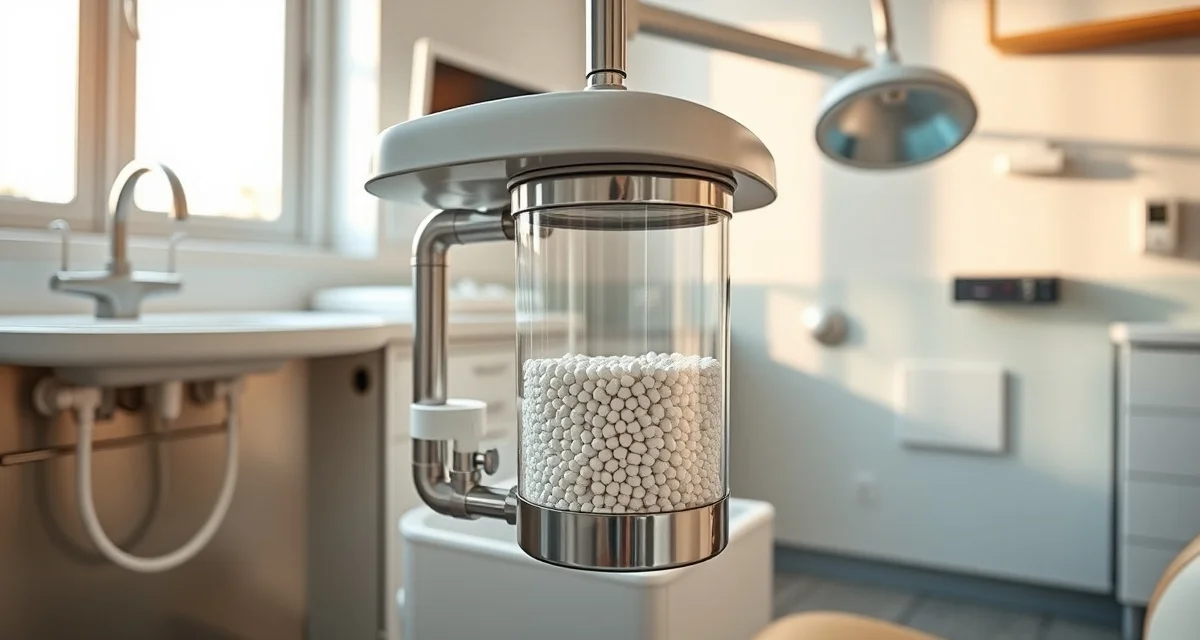
What the amalgam separator does: It captures amalgam particles in a container before the waste stream reaches the drain. The captured amalgam must be sent to a dental amalgam recycling company -- it cannot be thrown in the trash or poured down the drain.
Service interval: The separator cartridge must be replaced or the collection container must be emptied when it reaches its rated capacity (typically once per year for an average practice, more frequently for high-volume offices). Service must be documented.
Amalgam Separator Maintenance vs. Septic Service
These are separate systems with separate service schedules:
Amalgam separator service:
- Annual or more frequent depending on practice volume
- Performed by a qualified dental separator service company or the separator manufacturer
- Generates regulated waste (the filled separator container) that must go to a licensed amalgam recycler
- Requires documentation for the One-Time Compliance Report and for state environmental agency records
Septic system service:
- Quarterly to semi-annual for a typical dental office, depending on office size and daily patient volume
- Standard commercial pump-out with condition assessment
- Compliance documentation per state requirements
SepticMind tracks these independently with separate service reminders for each component. When the amalgam separator service is due, the reminder triggers separately from the septic pump-out reminder.
Do All Dental Offices Need Amalgam Separators?
The EPA rule applies to dental offices that place or remove amalgam. Practices that have eliminated amalgam entirely and can document that their practice has not used amalgam for at least three years are exempt. This includes many pediatric dental offices and practices that have made a complete transition to composite restorations.
Dental offices that only do amalgam removal (not placement) are still subject to the rule -- removing old amalgam fillings generates amalgam waste in the suction system the same as placing new fillings.
The exemptions are narrow. Most general dentistry practices that see adult patients are subject to the rule. Before assuming a dental office account is exempt, confirm their practice type and whether they've completed the required documentation for the exemption.
Septic Service Intervals for Dental Offices
A dental office's septic service needs depend on the number of operatories, daily patient volume, and whether the office has food service (break room, in some cases sterilization waste water).
- Small dental practice (1-3 operatories, limited hours): Semi-annual minimum
- Mid-size general dentistry office: Quarterly
- High-volume or multi-location dental practice: Quarterly to monthly
The specific load from dental procedures -- water used for irrigation, suction waste, and cleaning -- is relatively low compared to some commercial categories. The septic load concern at dental offices comes primarily from the chemical and pharmaceutical components: amalgam (managed by separator), dental cleaning agents, disinfectants, and any radiation processing chemicals for practices still using film radiography.
Compliance Documentation Package
Dental offices face potential inspection from both the EPA (through their control authority) and the state environmental agency for onsite wastewater. The documentation that should be on file:
- Amalgam separator installation date, model, and certification
- Separator service records showing date of service and waste disposal documentation
- Amalgam recycler receipts for separator container disposal
- One-Time Compliance Report submission confirmation
- Septic system pump-out records and receipts
- Inspection reports if required by state
The septic inspection for commercial properties framework applies when inspecting dental office properties. The state onsite wastewater regulations resource covers state-specific requirements that may add to federal baseline requirements.
Get Started with SepticMind
Managing service contracts for dental offices properties is easier with a platform built for the septic trade. SepticMind tracks commercial service schedules, documents every inspection visit, and keeps your compliance records organized by property. See how it handles your commercial account portfolio.
Frequently Asked Questions
What EPA rules govern dental office wastewater going into onsite septic systems?
EPA's Effluent Guidelines for the Dental Category (40 CFR Part 441), effective for most offices since 2020, require dental offices to install and maintain an ISO 11143 certified amalgam separator, use chair-side amalgam capture equipment, avoid oxidizing chemicals in suction lines, and submit a One-Time Compliance Report. For dental offices on private septic, these requirements apply just as they do for offices connected to municipal sewer. The captured amalgam must be disposed of through a licensed dental amalgam recycler, not through the septic system or solid waste. State environmental agencies may have additional requirements specific to onsite septic discharge.
Do all dental offices need an amalgam separator regardless of system size?
Yes, with limited exceptions. The EPA rule applies to any dental office that places or removes amalgam, regardless of practice size. The exceptions are dental offices that exclusively practice specialties that don't use amalgam (some orthodontics, oral surgery, pediatric practices) and offices that have eliminated amalgam entirely and can document their amalgam-free status going back at least three years. Most general dentistry practices serving adult patients fall under the rule. "System size" -- meaning the septic system, not the dental practice -- doesn't affect the separator requirement; the separator captures amalgam before it reaches the septic system.
Does SepticMind track EPA amalgam separator compliance for dental office accounts?
Yes. SepticMind's dental account type maintains separate service records for amalgam separator service and septic system service, with independent service reminders for each. Separator service documentation -- date of service, waste volume removed, recycler used, and disposal documentation -- is stored in the account record. Septic pump-out records are maintained alongside separator records so the complete compliance picture is in one place. When regulatory agencies request compliance documentation for a dental office account, all records are accessible and exportable from SepticMind.
How often should a septic system serving a dental offices property be inspected?
Septic systems at dental offices properties should be inspected at least annually and pumped more frequently than residential systems, since commercial-scale daily water usage accelerates sludge and grease accumulation. The exact frequency depends on the specific activities at the facility, peak occupancy, any food service or chemical use on-site, and local regulatory requirements. A service provider familiar with dental offices operations can recommend an appropriate inspection and pumping schedule based on the system's actual usage profile.
What septic system issues are most common at dental offices properties?
The most common septic problems at dental offices properties are rapid sludge accumulation from high occupancy, grease trap failure if food service is involved, hydraulic overloading during peak-use periods, and non-biodegradable waste disposal from cleaning or maintenance activities. Regular inspection and a service contract with clear maintenance intervals are the most effective ways to catch these problems before they cause system failure or regulatory violations.
Try These Free Tools
Sources
- National Onsite Wastewater Recycling Association (NOWRA)
- US EPA Office of Wastewater Management
- NSF International
- Water Environment Federation
- National Environmental Services Center (NESC)