Septic Service for Car Wash Facilities With Onsite Wastewater
By the SepticMind Editorial Team
EPA pretreatment requirements apply to many commercial car wash facilities using onsite wastewater systems. That's not a minor regulatory footnote -- it's a compliance framework that determines whether the car wash can legally route its wash water into an onsite septic system at all, and if so, under what conditions.
TL;DR
- Car Washes facilities have distinct wastewater loading patterns that affect septic system sizing, service frequency, and permit requirements.
- Commercial and institutional properties like car washes typically require more frequent pumping than residential systems due to higher daily usage.
- Some car washes operations generate waste streams (grease, chemicals, or high-volume flow) that require pre-treatment before reaching the septic system.
- Service contracts for car washes provide predictable recurring revenue and are easier to manage with a platform that tracks commercial account schedules.
- Health department inspections for car washes properties may require septic system condition documentation as part of facility licensing.
- Septic companies specializing in car washes service build referral networks with property managers, architects, and health inspectors in that niche.
Car wash wastewater may contain surfactants, petroleum residues, heavy metals, and other chemicals that require evaluation before they enter a septic system. Facilities that route untreated wash water directly to a conventional septic without understanding the pretreatment requirements face both system damage and regulatory exposure.
Why Car Wash Wastewater Is Different
A car wash processes water that has come into contact with vehicle surfaces -- surfaces that carry road grime, oil residues, brake dust, heavy metals from exhaust, and whatever chemicals were applied during the wash process. The wastewater characteristics depend heavily on the type of car wash:
Self-service car washes generate wastewater from customer-applied soap, degreaser, and rinse water. The chemical load is relatively predictable and lower-intensity than professional operations.
Automatic conveyor washes use proprietary detergent blends, wax compounds, and spot-free rinse agents in high volumes. These facilities wash many more vehicles per day with a more concentrated chemical load.
Detail shops may use solvents, polish compounds, and specialty cleaning agents that are more problematic from a septic compatibility standpoint.
Truck and RV washes deal with petroleum-contaminated runoff from vehicle undercarriages that can contain diesel fuel residues, hydraulic fluid, and heavy oil.
The key question for any car wash with onsite wastewater is whether the facility's specific wash chemistry is compatible with conventional septic treatment, or whether pretreatment is required first.
EPA Pretreatment Requirements for Car Washes
The EPA's pretreatment program applies to indirect dischargers -- facilities that discharge into a publicly owned treatment works (POTW). However, facilities using onsite septic are also subject to state and local pretreatment requirements that mirror federal standards.
For car wash facilities, the specific concerns are:
Petroleum hydrocarbons. Many states require oil-water separators to remove petroleum compounds from car wash wastewater before it enters any disposal system, including onsite septic.
Heavy metals. Lead, zinc, copper, and other heavy metals from vehicle brake dust and exhaust accumulate in car wash wastewater and can contaminate drainfield soils if not removed.
Surfactants. Some detergent compounds, particularly older formulations, are not readily biodegradable in a conventional septic system and can create surfactant loading problems.
Water volume. Car wash facilities use very high daily water volumes. A conveyor wash operating 200 vehicles per day uses thousands of gallons of water, far exceeding the design capacity of most conventional septic systems.
Before accepting a car wash account, review the facility's wastewater characteristics and the local regulatory requirements. In many states, the health department or environmental agency will have specific guidance on car wash pretreatment requirements.
Oil-Water Separators and Sand Traps
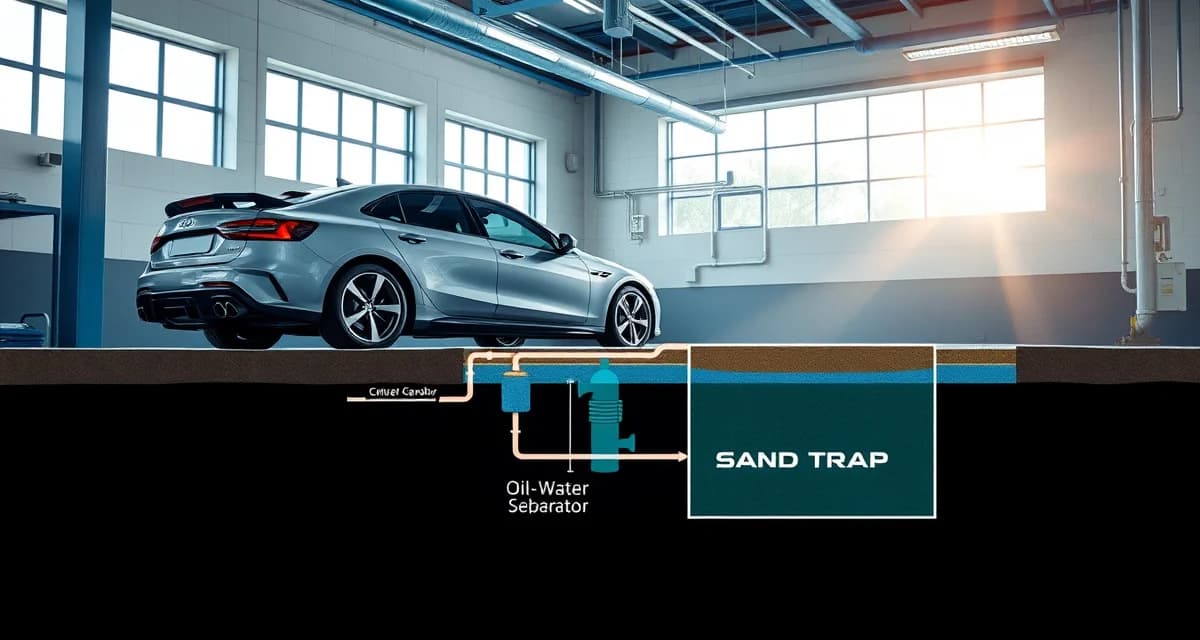
The most common pretreatment approach for car wash facilities is an oil-water separator or sand/grit trap upstream of the septic system. These devices:
- Remove petroleum compounds before they enter the septic tank
- Capture heavy grit, sand, and solids from vehicle undercarriages
- Reduce the hydraulic load on the septic system by removing high-volume wash water to a separate disposal stream
Managing the oil-water separator is typically a separate service from the septic tank. Separators need to be cleaned more frequently than septic tanks -- often monthly or quarterly at high-volume car washes. SepticMind's commercial account type documents chemical load considerations in car wash system records, tracking separator service separately from septic service so neither falls behind.
Water Recycling Systems
Many modern car wash facilities use water recycling systems that treat and reuse a portion of their wash water rather than routing all of it to the disposal system. This significantly reduces the volume reaching the septic system but introduces different considerations:
The recycled water treatment process generates concentrated waste streams that need to be disposed of separately. If this concentrated waste goes into the septic system, it can create worse contamination than the original wash water.
Water recycling systems also need their own maintenance schedule -- filtration media replacement, biocide treatment for bacteria control, and regular system checks. Some car washes have let recycling systems deteriorate to the point where they're contributing problems rather than reducing them.
When you take on a car wash account with a recycling system, understand the full flow path for all water and waste streams, not just the septic connection.
Service Intervals for Car Wash Facilities
Given the high water volume and chemical considerations, car wash septic systems that are properly permitted for this use require more frequent service than standard commercial accounts:
- Conveyor car wash with high daily volume: quarterly septic service minimum
- Self-service car wash: semi-annual to quarterly depending on use volume
- Detail shop with onsite septic: annual to semi-annual depending on chemical use
The oil-water separator or sand trap serving a high-volume wash can fill significantly faster than the septic tank, requiring monthly or more frequent cleaning.
Compliance Documentation
Car wash facilities in regulated states need to maintain documentation that their wastewater system is operating in compliance. This includes:
- Proof of oil-water separator service with dates and disposal manifests
- Septic pump-out records with dates and volumes
- Any pretreatment testing results if required by the local permit
- Permit documentation showing the system is permitted for car wash use
SepticMind stores all of this at the account level, making it accessible when a health department inspector or environmental agency asks for compliance records.
Get Started with SepticMind
Car Washes facilities need a service provider who understands the specific wastewater challenges of their operations. SepticMind makes it easy to manage commercial service contracts, track inspection schedules, and document service visits for every account in your portfolio. See how it supports commercial account management.
Frequently Asked Questions
What pretreatment requirements apply to car wash facilities using onsite septic systems?
Requirements vary by state and jurisdiction, but most states require car wash facilities to install an oil-water separator or grit trap that removes petroleum compounds and heavy solids before wastewater enters any disposal system, including onsite septic. Some states prohibit car wash wastewater from entering conventional septic at all, requiring connection to municipal sewer or an engineered treatment system. The EPA's pretreatment program principles apply, and facilities operating above minimum discharge thresholds may need to demonstrate their wastewater meets pre-discharge standards. Your state environmental agency and local health department are the authoritative sources for your specific jurisdiction.
How often should a car wash facility's septic system be serviced?
A conveyor car wash operating at high volume needs septic service at minimum quarterly and may require monthly oil-water separator cleaning. Self-service car wash facilities with lower daily volumes can typically manage semi-annual to quarterly septic service. The oil-water separator and sand trap need service more frequently than the septic tank -- often monthly at busy facilities. Service frequency should be calibrated to the daily vehicle count and the size of the pretreatment and septic system, not set at a standard commercial interval.
Does SepticMind track EPA pretreatment compliance for commercial accounts?
Yes. SepticMind's commercial account type includes fields for documenting pretreatment requirements specific to the facility type. For car wash accounts, this includes separate tracking of oil-water separator service intervals, chemical load notes, and any permit-specific compliance requirements. Service reminders are set independently for the pretreatment system and the septic system since they run on different intervals. Documentation stored in the account record supports compliance verification when regulatory inspectors request service history.
How often should a septic system serving a car washes property be inspected?
Septic systems at car washes properties should be inspected at least annually and pumped more frequently than residential systems, since commercial-scale daily water usage accelerates sludge and grease accumulation. The exact frequency depends on the specific activities at the facility, peak occupancy, any food service or chemical use on-site, and local regulatory requirements. A service provider familiar with car washes operations can recommend an appropriate inspection and pumping schedule based on the system's actual usage profile.
What septic system issues are most common at car washes properties?
The most common septic problems at car washes properties are rapid sludge accumulation from high occupancy, grease trap failure if food service is involved, hydraulic overloading during peak-use periods, and non-biodegradable waste disposal from cleaning or maintenance activities. Regular inspection and a service contract with clear maintenance intervals are the most effective ways to catch these problems before they cause system failure or regulatory violations.
Try These Free Tools
Sources
- National Onsite Wastewater Recycling Association (NOWRA)
- US EPA Office of Wastewater Management
- NSF International
- Water Environment Federation
- National Environmental Services Center (NESC)