Septic Service Software for Campgrounds and RV Parks
By the SepticMind Editorial Team
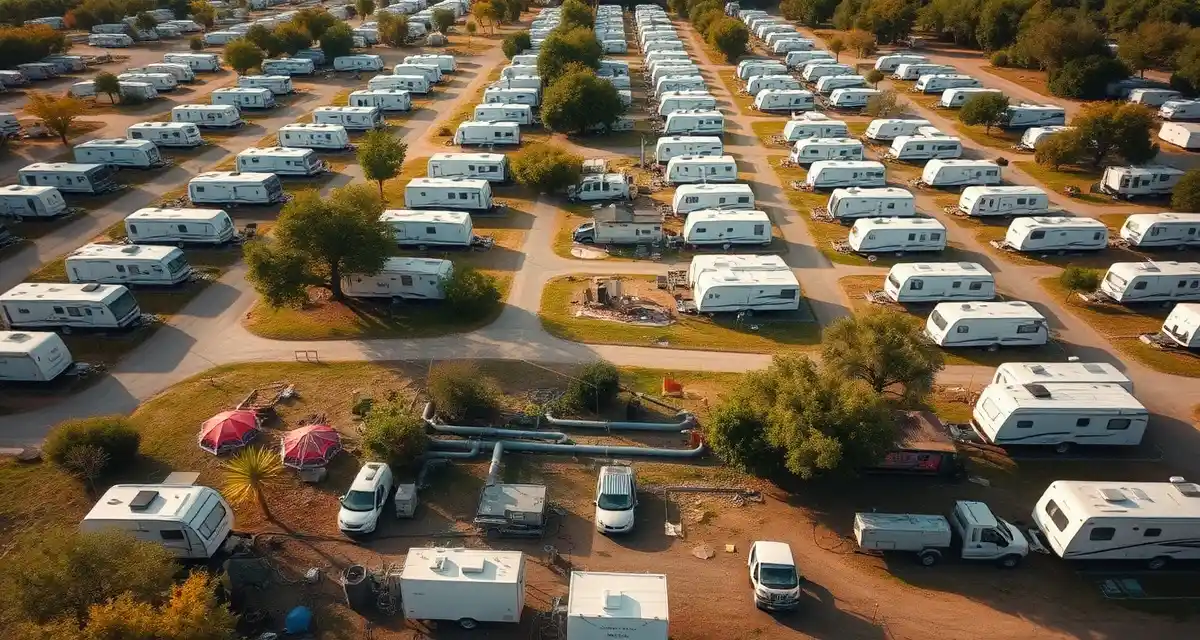
Campground septic systems are high-use and require more frequent service than residential systems. A campground with 100 sites operating at peak summer capacity pushes waste volumes through its infrastructure that would overwhelm a residential system designed for a fraction of that load. A septic failure during peak season can cost $20,000 or more in lost revenue and regulatory fines, and that estimate doesn't include the reputational damage that follows when guests post negative reviews about sewage backing up to their site.
TL;DR
- Campgrounds facilities have distinct wastewater loading patterns that affect septic system sizing, service frequency, and permit requirements.
- Commercial and institutional properties like campgrounds typically require more frequent pumping than residential systems due to higher daily usage.
- Some campgrounds operations generate waste streams (grease, chemicals, or high-volume flow) that require pre-treatment before reaching the septic system.
- Service contracts for campgrounds provide predictable recurring revenue and are easier to manage with a platform that tracks commercial account schedules.
- Health department inspections for campgrounds properties may require septic system condition documentation as part of facility licensing.
- Septic companies specializing in campgrounds service build referral networks with property managers, architects, and health inspectors in that niche.
Managing septic service for campgrounds and RV parks requires a fundamentally different approach than residential service. Multiple systems on one property, seasonal use patterns, high-volume dump stations, and health department scrutiny all demand specialized tracking and documentation that generic field service tools weren't built to handle.
The Campground Septic Challenge
A typical campground has septic infrastructure spread across the entire property:
Site hookup systems. Full-hookup sites connect to collection lines that feed into one or more septic systems. These systems take the full load from all active sites (toilets, showers, sinks, and RV connections) simultaneously during peak occupancy.
Dump stations. Self-contained RVs and campers without hookups use dump stations. These receive concentrated waste in short, high-volume episodes. Dump station holding tanks have their own service intervals that differ from the campground's primary system.
Bathhouse facilities. Centralized shower and restroom facilities for tent campers and those without full hookups serve variable populations throughout the day. Peak use at shower time in the morning creates surge loads.
Laundry facilities. Laundry rooms at campgrounds produce high-volume greywater that contributes to the overall system load.
Camp store and kitchen. Food service operations produce grease and food waste that need grease traps and appropriate grease trap service intervals.
All of these systems have different service schedules, different tank sizes, and different compliance documentation requirements. Managing them with a spreadsheet or generic software creates gaps.
Service Frequency for Campground Systems
Campground operators often underestimate how frequently their systems need service, particularly dump stations and bathhouse systems during peak season.
As a general framework for seasonal campgrounds:
Pre-season (late March/April): Full inspection of all systems before opening. Check tanks, pumps, distribution systems, and drainfields after winter dormancy. Bacteria populations in tanks that sat idle need time to reestablish.
Peak season (May-September for northern campgrounds): Monthly or more frequent pump-outs of high-use systems based on actual usage volume rather than calendar intervals. Dump stations may need service every 2-4 weeks at capacity operation.
End of season (October): Full pump-out of all tanks before winter dormancy. Tanks left full over winter create additional stress on tank integrity and can cause problems when the system restarts.
Maintenance records for health department: Campgrounds are commercial properties subject to health department inspection. Inspectors want to see documented service intervals, pump-out logs, and evidence that the operator is actively managing the systems rather than reacting to failures.
The Case for Commercial Account Tracking
A campground is not a single customer with a single system, it's a commercial account with multiple systems, each requiring individual tracking. The service record for the dump station is not the same as the service record for the main bathhouse system, which is not the same as the record for the camp store grease trap.
SepticMind's commercial account type handles campground multi-system tracking in a way that reflects how these properties actually operate. Each system on the property has its own service record, its own service interval, and its own compliance documentation, all linked to the same campground account.
When you arrive to service the dump station, the technician's job card shows the history for that specific system, not the entire property. When you generate a service report for the campground owner or their health department, you can pull the history for each system individually or as a combined property report.
Aerobic treatment unit software handles campgrounds that use ATU systems, common in campgrounds with strict environmental setback requirements near water bodies.
What Campgrounds Need for Health Department Compliance
Campground operators face health department oversight that most residential customers don't experience. Your service documentation needs to be good enough to satisfy an inspector who shows up unannounced.
Pump-out logs with dates and volumes. Every service visit should be documented with date, what was serviced, and gallons removed. Vague records ("pumped tank, spring 2024") don't satisfy health department requirements.
System condition documentation. Health inspectors want evidence that the operator is monitoring system health, not just scheduling pump-outs. Technician notes on tank condition, baffle integrity, and pump function show active management.
Maintenance contract documentation. Many health departments require campgrounds to have a written service agreement with a licensed septic company. Your service agreement documentation should be accessible and current.
Emergency response plan. What happens if a system fails during peak season? Campgrounds should have a documented procedure, shutdown protocol, alternate restroom provision, who to call, timeline for repair. Health departments increasingly ask for this.
Inspection reports. Annual or periodic inspections of all systems, with written reports. Not just pump-out logs, but formal condition assessments.
Seasonal Scheduling for Campground Accounts
The most operationally challenging aspect of campground service is managing the surge in service demand at season open and close while maintaining regular intervals during peak season.
For service companies, campground accounts are excellent candidates for annual service agreements that lock in the service schedule and payment terms upfront. A campground that commits to a seasonal service agreement gives you predictable revenue from March through October and the campground gets priority scheduling during the season-open rush when every septic company in the area is getting calls.
Pre-booking peak-season service in March or April (before the campground opens) positions your company as a proactive partner rather than an emergency responder. Campground operators who have been burned by a failed system during peak season are highly motivated to establish a service agreement that prevents it from happening again.
Get Started with SepticMind
Managing service contracts for campgrounds properties is easier with a platform built for the septic trade. SepticMind tracks commercial service schedules, documents every inspection visit, and keeps your compliance records organized by property. See how it handles your commercial account portfolio.
Frequently Asked Questions
How often should a campground septic system be pumped?
Service frequency for campground systems depends heavily on which system and what the occupancy load is. Dump stations at full summer capacity typically need service every two to four weeks. Bathhouse systems serving 50 or more sites may need monthly service during peak season. The main collection system's pump-out frequency depends on total daily waste volume from occupied sites. Rather than using calendar intervals alone, campground operators should monitor tank levels and key indicators (odors, slow drainage, unusually high water levels near the drainfield) and adjust scheduling based on actual conditions. Pre-season and end-of-season service are non-negotiable regardless of in-season interval decisions.
What documentation does a campground need to show during a health department inspection?
Health department inspectors reviewing a campground's septic compliance typically want to see: dated pump-out logs for every system on the property with gallons removed, technician condition notes from service visits, current service agreement with a licensed septic company, any inspection reports conducted in the past year, permit documentation for the systems, and evidence of a maintenance plan for the upcoming season. Some health departments also ask for an emergency response plan describing what the campground will do if a system fails during peak operation. Digital records that can be pulled up immediately on a phone or computer make this inspection much less stressful than hunting through paper files.
Does SepticMind track multiple septic system components across a large campground property?
Yes. SepticMind's commercial account type is designed for properties with multiple systems, like campgrounds. Each system on the property (dump station, bathhouse systems, camp store grease trap, site hookup systems) has its own service record, service interval, and compliance documentation within the same campground account. Technicians see the specific history and scheduled tasks for the individual system they're servicing, not a combined record for the whole property. For account management, you can view all systems under one campground account or pull reports on individual systems. Service agreements can be set at the account level with system-specific scheduling rules, so the right service gets scheduled for the right system at the right interval automatically.
How often should a septic system serving a campgrounds property be inspected?
Septic systems at campgrounds properties should be inspected at least annually and pumped more frequently than residential systems, since commercial-scale daily water usage accelerates sludge and grease accumulation. The exact frequency depends on the specific activities at the facility, peak occupancy, any food service or chemical use on-site, and local regulatory requirements. A service provider familiar with campgrounds operations can recommend an appropriate inspection and pumping schedule based on the system's actual usage profile.
What septic system issues are most common at campgrounds properties?
The most common septic problems at campgrounds properties are rapid sludge accumulation from high occupancy, grease trap failure if food service is involved, hydraulic overloading during peak-use periods, and non-biodegradable waste disposal from cleaning or maintenance activities. Regular inspection and a service contract with clear maintenance intervals are the most effective ways to catch these problems before they cause system failure or regulatory violations.
Try These Free Tools
Sources
- National Onsite Wastewater Recycling Association (NOWRA)
- US EPA Office of Wastewater Management
- NSF International
- Water Environment Federation
- National Environmental Services Center (NESC)