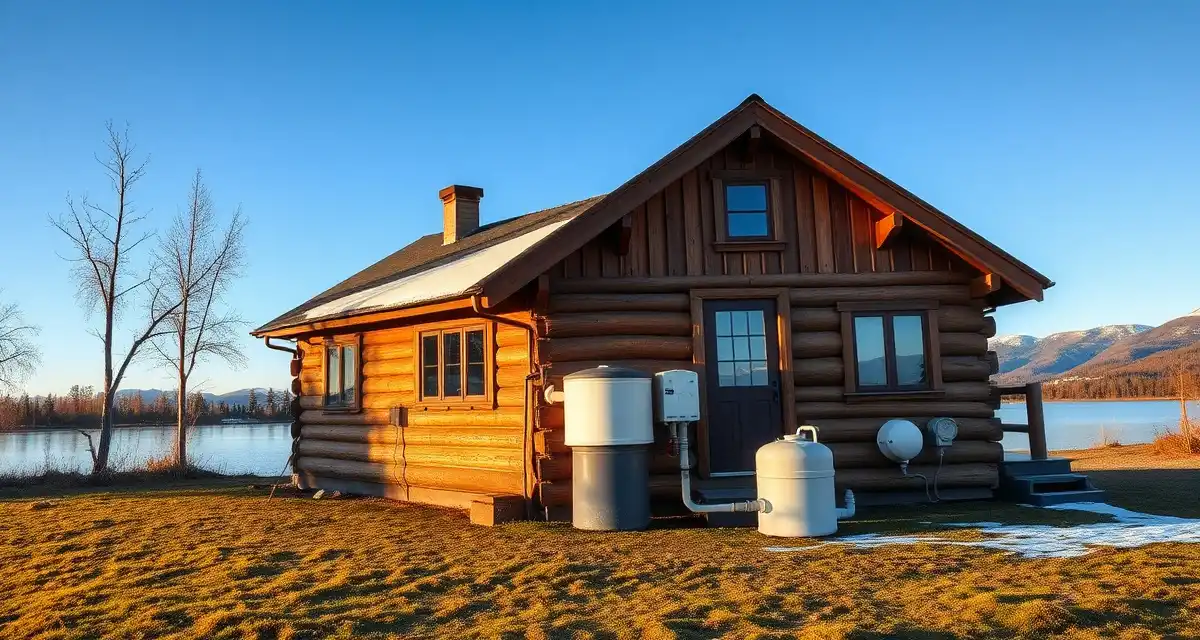
Septic Service for Cabin Rental Properties and Lake Houses
By the SepticMind Editorial Team
Seasonal cabin septic systems that aren't winterized properly face freeze damage costing $2,000-8,000, and cabin properties pumped annually regardless of use waste money on unnecessary service while potentially leaving system condition undocumented in ways that matter at sale. The right approach for cabin and seasonal lake house septic management is interval-based scheduling that reflects actual occupancy rather than calendar-driven assumptions.
TL;DR
- Cabins facilities have distinct wastewater loading patterns that affect septic system sizing, service frequency, and permit requirements.
- Commercial and institutional properties like cabins typically require more frequent pumping than residential systems due to higher daily usage.
- Some cabins operations generate waste streams (grease, chemicals, or high-volume flow) that require pre-treatment before reaching the septic system.
- Service contracts for cabins provide predictable recurring revenue and are easier to manage with a platform that tracks commercial account schedules.
- Health department inspections for cabins properties may require septic system condition documentation as part of facility licensing.
- Septic companies specializing in cabins service build referral networks with property managers, architects, and health inspectors in that niche.
SepticMind's seasonal use account type calculates service intervals based on occupancy weeks per year, so each cabin account is on a schedule matched to how the property is actually used.
Why Cabin Septic Management Differs From Residential
A full-time residential home with a family of four generates consistent, predictable septic loading year-round. A cabin that's occupied 10 weeks per year generates the same total volume spread across two and a half months of actual use, with 9-10 months of dormancy in between.
That difference matters in several ways:
Service interval calculation: A cabin occupied 10 weeks per year by 4-6 people generates roughly the same volume as a full-time residence generates in 2-3 months. An annual pump-out schedule may be overkill for a lightly used seasonal cabin; a 3-year schedule may leave the system overdue. The actual interval depends on occupancy weeks, party size, and tank capacity.
Winterization timing: A cabin that closes in October needs to have its septic system addressed before freeze-up. A system that freezes with a partially full tank can crack tank walls and damage inlet and outlet pipes in ways that require expensive excavation to repair.
Off-season condition changes: A system that sits dormant through winter and spring can develop access point issues, wildlife intrusion at risers, and baffle changes that you won't discover until the next service. Pre-season inspection catches these before the cabin opens.
Sale documentation: Cabin properties change hands regularly, and the buyer's lender or inspector will want to know about the system. A gap of 5+ years in service records creates uncertainty that affects transactions.
Setting the Right Service Interval for a Cabin Account
The calculation for a seasonal cabin is based on the same factors as any septic interval, adjusted for actual use:
Equivalent occupancy: Convert seasonal use to an equivalent residential loading. A cabin used 12 weeks per year by 4 people generates roughly the same volume as a full-time residence used for 3 months. If a standard residential recommendation is a pump-out every 3-4 years for that household size and tank capacity, then a cabin used 12 weeks per year might need service every 12-16 years on usage volume alone.
Tank capacity buffer: Smaller tanks fill faster than larger ones. Many older cabin tanks are 500-750 gallons, which is undersized for modern loading expectations. A smaller-capacity cabin tank on a busy rental schedule needs more frequent service than the occupancy calculation alone suggests.
Rental intensity: A cabin that's personally used by the owner for two summer weeks per year is very different from a vacation rental that runs 30 weeks of paid occupancy per year at 6-8 guests per week. Rental calendars need to drive service intervals for rental properties.
SepticMind stores occupancy data for each cabin account and uses it to calculate appropriate service intervals rather than applying a default residential schedule.
Vacation Rental Cabins: Higher Stakes Management
Vacation rental cabin properties face all the standard cabin management challenges plus the commercial reality that a system failure during a paid guest stay damages the owner's rental reputation and may trigger refund requests or liability claims.
For active rental properties:
Pre-season service is non-negotiable. Before the rental season opens, pump and inspect the system. The rental season is the worst time to discover a problem that pre-season maintenance would have caught.
Calendar-based triggers. For high-occupancy rental cabins, set calendar-based service reminders that account for cumulative rental occupancy rather than waiting for a fixed annual date. A cabin rented 30 weeks per year at 6 guests per week needs more frequent attention than a cabin used 4 weeks per year by the family.
Condition documentation for owners: Many rental cabin owners aren't on-site to observe their systems. Your service reports are their primary source of information about system condition. Write reports clearly enough that a non-technical owner understands what you found and what they need to do.
Lake House Considerations
Lake house properties add an environmental protection dimension that standard rural properties don't have. Most lakefront jurisdictions have:
Stricter setback requirements: Septic systems near lakes are subject to shoreline setback rules that protect water quality. Understanding these setbacks is important when any work near the system is being done.
More frequent inspection requirements: Some lake districts have mandatory inspection programs for lakefront properties specifically, recognizing that septic failures near water bodies create direct water quality impacts.
Phosphorus loading concerns: In many northern lake regions, phosphorus from septic systems is a primary driver of algae growth in lakes. Local regulations may require enhanced treatment systems (mound systems, advanced treatment units) for shoreline properties.
When servicing lake house properties, be aware of the local environmental context. A failing system near a lake may trigger mandatory reporting requirements beyond what you'd face at an inland property.
Winterization: What It Involves
Proper winterization of a seasonal cabin septic system includes:
Pump-out before freeze: Remove as much content as possible from the tank before the system goes dormant for winter. This reduces the risk of freeze damage by lowering the level in the tank and clearing the inlet and outlet areas.
Access point protection: Ensure risers and access lids are secure and won't allow water infiltration or wildlife access over winter. A cracked lid that lets surface water in creates a problem that's discovered in spring.
Note for frozen ground conditions: In extreme winter regions, document the winterization date and any observations about the drainfield going into dormancy. If the drainfield was showing stress at end of season, that's relevant information for the spring opening service.
SepticMind's seasonal cabin accounts include a winterization service type that records these steps separately from standard pump-out service, keeping the seasonal service history organized.
Get Started with SepticMind
Cabins facilities need a service provider who understands the specific wastewater challenges of their operations. SepticMind makes it easy to manage commercial service contracts, track inspection schedules, and document service visits for every account in your portfolio. See how it supports commercial account management.
Frequently Asked Questions
How often should a cabin that is used 10 weeks per year have its septic pumped?
A cabin used 10 weeks per year generates about 25% of the annual loading of a full-time residence of the same size. For a standard residential recommendation of every 3-4 years, a 10-week cabin on the same tank and occupancy level might reasonably go 10-15 years between pump-outs on volume alone. However, tank size matters significantly: older cabin tanks at 500-750 gallons need more frequent service than a properly sized modern tank. For vacation rental cabins where occupancy is measured in guest-weeks rather than family use, calculate cumulative loading from rental records and use that to drive the interval. SepticMind's occupancy-based interval calculation gives you a specific recommendation for each cabin account rather than applying a generic residential schedule.
What winterization steps should a cabin owner take for a seasonal septic system?
The key steps are: schedule a pump-out before the season ends and before ground frost sets in (mid-October is the latest safe window in most northern markets), ensure all access points are properly secured against water infiltration and wildlife entry over winter, and note any drainfield conditions at season close for comparison in spring. The pump-out before dormancy reduces the volume in the tank and clears the inlet and outlet areas where freeze damage most commonly occurs. Some owners also have the septic professional inspect the tank interior at winterization -- the dormant period is a good time to note any condition issues to address before next season opens.
Does SepticMind support seasonal use-based service interval calculations for cabin accounts?
Yes. SepticMind's seasonal use account type stores occupancy data for each cabin property -- weeks per year in use, typical party size, rental activity if applicable -- and uses that data to calculate service intervals adjusted for actual loading rather than applying default residential schedules. Pre-season service reminders are sent before the cabin's opening date rather than on fixed calendar dates. Winterization service is tracked as a distinct service type with its own checklist. For rental cabin owners who review their properties' maintenance history before booking season, SepticMind's service history report gives them documentation they can use in rental listings and property insurance renewals.
How often should a septic system serving a cabins property be inspected?
Septic systems at cabins properties should be inspected at least annually and pumped more frequently than residential systems, since commercial-scale daily water usage accelerates sludge and grease accumulation. The exact frequency depends on the specific activities at the facility, peak occupancy, any food service or chemical use on-site, and local regulatory requirements. A service provider familiar with cabins operations can recommend an appropriate inspection and pumping schedule based on the system's actual usage profile.
What septic system issues are most common at cabins properties?
The most common septic problems at cabins properties are rapid sludge accumulation from high occupancy, grease trap failure if food service is involved, hydraulic overloading during peak-use periods, and non-biodegradable waste disposal from cleaning or maintenance activities. Regular inspection and a service contract with clear maintenance intervals are the most effective ways to catch these problems before they cause system failure or regulatory violations.
Try These Free Tools
Sources
- National Onsite Wastewater Recycling Association (NOWRA)
- US EPA Office of Wastewater Management
- NSF International
- Water Environment Federation
- National Environmental Services Center (NESC)