Septic Service for Auto Dealerships With Onsite Wastewater
By the SepticMind Editorial Team
EPA pretreatment requirements apply to auto service facilities above minimum petroleum discharge thresholds, and auto dealership service bay wastewater contains petroleum products that require oil-water separators before the wastewater reaches any septic system. An auto dealership operating service bays without proper pretreatment equipment and sending that wastewater to an onsite septic system is creating both a regulatory problem and a system-killing environmental condition.
TL;DR
- Auto Dealerships facilities have distinct wastewater loading patterns that affect septic system sizing, service frequency, and permit requirements.
- Commercial and institutional properties like auto dealerships typically require more frequent pumping than residential systems due to higher daily usage.
- Some auto dealerships operations generate waste streams (grease, chemicals, or high-volume flow) that require pre-treatment before reaching the septic system.
- Service contracts for auto dealerships provide predictable recurring revenue and are easier to manage with a platform that tracks commercial account schedules.
- Health department inspections for auto dealerships properties may require septic system condition documentation as part of facility licensing.
- Septic companies specializing in auto dealerships service build referral networks with property managers, architects, and health inspectors in that niche.
SepticMind's auto dealership account type tracks oil-water separator maintenance alongside septic service, giving service operators the full picture of a dealership's wastewater pretreatment chain.
Why Auto Dealership Wastewater Is a Unique Challenge
Auto dealership service operations produce wastewater that conventional septic systems aren't designed to handle:
Oil and petroleum products: Engine oil changes, transmission fluid changes, power steering fluid, coolant, and fuel system service all produce petroleum-contaminated wastewater. Even careful service practices generate floor wash water contaminated with petroleum residue.
Degreasing chemicals: Shop degreasers, brake cleaner, and cleaning solvents used in service bays contain chemicals that are toxic to the biological treatment process in septic systems and may be regulated hazardous materials.
Antifreeze (ethylene glycol): Coolant system service generates antifreeze-contaminated water. Ethylene glycol is toxic to the septic drainfield biology at concentrations that routine service generates.
Paint and refinishing chemicals: Dealerships with on-site body shops produce paint, primer, and finishing chemical wastewater that is regulated hazardous waste and cannot enter any septic system.
Car wash wastewater: Dealerships with car wash facilities produce high-volume gray water containing soap, road grime, and petroleum residue.
Pretreatment Requirements
The regulatory requirement for auto dealerships is straightforward: petroleum-contaminated wastewater from service bays must be treated to remove petroleum products before it enters any sewer system, public or private.
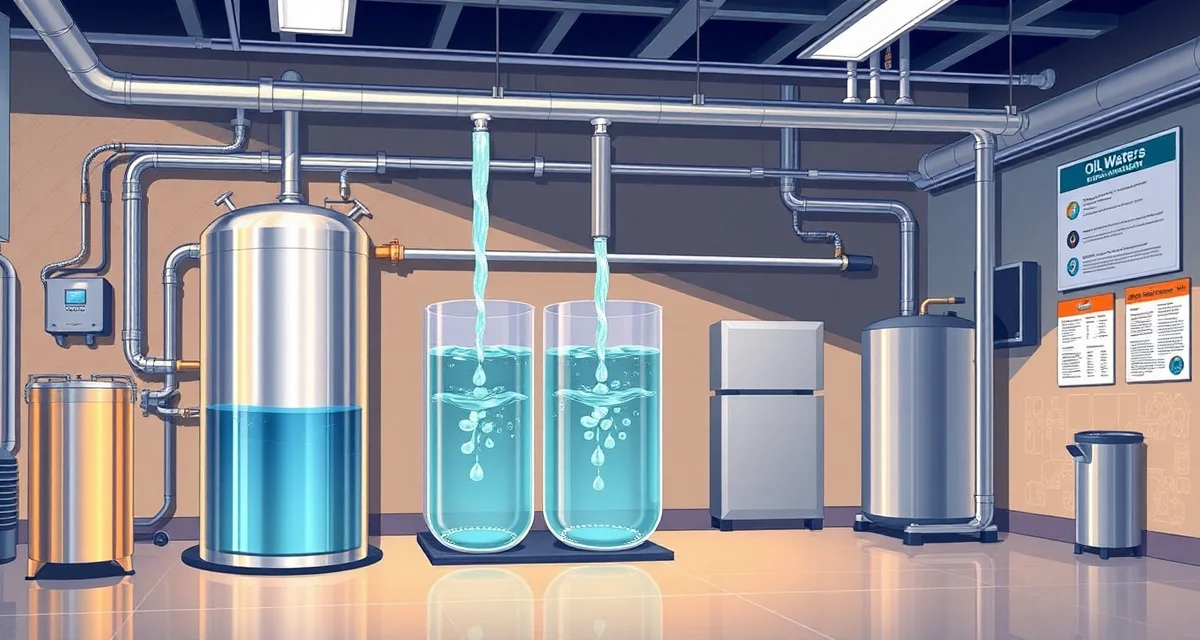
Oil-water separator (OWS): The standard pretreatment device for auto service bay wastewater. An oil-water separator uses gravity to separate oil (which is lighter than water) from the wastewater stream. Separated oil and solids accumulate in the separator and must be removed by a licensed hauler on a regular schedule. Only the clarified water phase is permitted to continue to the septic system.
EPA thresholds: Federal pretreatment standards apply to auto service facilities above minimum daily discharge volumes. State pretreatment programs may apply at lower thresholds. Verify the applicable thresholds with your state environmental agency for dealerships in your service area.
Regulatory documentation: EPA and state pretreatment permit conditions typically require documentation of OWS maintenance -- when it was serviced, what was removed, and where the removed material was disposed. This documentation needs to be maintained for regulatory inspection.
The Oil-Water Separator Service Relationship
Oil-water separators require regular service that is separate from the main septic system:
Service frequency: OWS service frequency depends on the volume of service bay activity. A high-volume dealership service department with 20+ service bays may need OWS service monthly or more frequently. A smaller dealership with 5-8 service bays may be on quarterly service. The indicator for service frequency is the oil layer depth in the separator -- service when the oil layer reaches a defined threshold, not on a fixed calendar.
What's removed: Service removes the accumulated oil and grease layer, any settled solids, and the contents of the sump if present. The removed material is classified as used oil or hazardous waste depending on composition and must be disposed of by a licensed hauler.
Inspection during service: Each OWS service should include an inspection of the separator's baffles, inlet and outlet condition, and any signs of carryover (petroleum products bypassing the separator into the effluent). A separator in poor condition that's allowing petroleum carryover is providing inadequate pretreatment.
Track OWS service separately from the main septic tank service in SepticMind. These are two distinct service events with different regulatory documentation requirements.
Body Shop and Paint Waste: A Separate Stream
Dealerships with on-site body and paint shops require special attention:
Paint wastewater: Automotive paint, primer, and refinishing materials are classified as hazardous waste under EPA regulations. Wastewater from spray booth cleaning, paint gun cleaning, and finish application cannot go to any drain -- it must be collected and disposed of by a licensed hazardous waste hauler.
Spray booth filters: The paper and polyester filters from spray booths that collect overspray are also hazardous waste requiring proper disposal.
Body shop detailing: Detailing chemicals used on finished vehicles are generally lower hazard, but the wastewater from pressure washing finished vehicles may still need OWS pretreatment before septic disposal.
If you're taking on an auto dealership account with a body shop, verify that the body shop's wastewater is being handled as hazardous waste before assuming it flows to the septic system you're servicing.
Car Wash Systems at Dealerships
Dealership car washes -- whether full wash tunnels for customer vehicles or detail bay pressure washing -- generate high-volume gray water:
Recirculating wash water: Some dealership car washes recirculate wash water, reducing discharge volume. These systems require periodic water treatment and sludge removal.
Discharge to OWS: Non-recirculating car wash water should flow through an oil-water separator before any discharge to a septic system.
High-volume discharge: A full-service car wash processing 50+ vehicles per day generates significant daily discharge volume. If this is flowing to the septic system even after OWS pretreatment, confirm the septic system is sized for that combined load.
Get Started with SepticMind
Auto Dealerships facilities need a service provider who understands the specific wastewater challenges of their operations. SepticMind makes it easy to manage commercial service contracts, track inspection schedules, and document service visits for every account in your portfolio. See how it supports commercial account management.
Frequently Asked Questions
What pretreatment equipment do auto dealerships need for their onsite septic systems?
Auto dealership service bays require oil-water separators between service bay floor drains and any sewer or septic connection. The OWS removes petroleum products through gravity separation before the clarified effluent proceeds to the septic system. Body shop and paint operations require hazardous waste collection -- paint wastewater and refinishing chemical waste cannot enter any drain system and must be collected by a licensed hazardous waste hauler. Car wash operations should discharge through OWS pretreatment before reaching the septic system. EPA pretreatment program standards and state pretreatment regulations define the specific requirements applicable to each dealership based on discharge volume and the types of service operations performed.
How often should an auto dealership's oil-water separator and septic system be serviced?
Oil-water separator service frequency depends on service bay volume. A high-volume dealership service department should plan for OWS service every 4-8 weeks. A lower-volume operation may be on quarterly service. The trigger for service is the oil layer depth in the separator reaching a defined threshold -- track oil accumulation rates from the first few service visits and set the interval based on observed accumulation rather than calendar assumptions. The main septic tank serving restroom and non-service-bay flows should be on a commercial service interval appropriate for the dealership's employee count and customer volume -- typically 12-18 months for moderate-volume operations.
Does SepticMind track oil-water separator maintenance alongside septic service for auto accounts?
Yes. SepticMind's auto dealership account type maintains separate service records for the oil-water separator and the main septic system within the same dealership account. OWS service is tracked with its own schedule, service history, and compliance documentation separate from the main tank service. Regulatory documentation requirements for OWS maintenance -- which differ from standard septic service receipt requirements -- are noted in the account compliance fields. When a pretreatment permit requires documentation of OWS maintenance for regulatory inspection, SepticMind generates the OWS service history report formatted for submission to the relevant regulatory authority.
How often should a septic system serving a auto dealerships property be inspected?
Septic systems at auto dealerships properties should be inspected at least annually and pumped more frequently than residential systems, since commercial-scale daily water usage accelerates sludge and grease accumulation. The exact frequency depends on the specific activities at the facility, peak occupancy, any food service or chemical use on-site, and local regulatory requirements. A service provider familiar with auto dealerships operations can recommend an appropriate inspection and pumping schedule based on the system's actual usage profile.
What septic system issues are most common at auto dealerships properties?
The most common septic problems at auto dealerships properties are rapid sludge accumulation from high occupancy, grease trap failure if food service is involved, hydraulic overloading during peak-use periods, and non-biodegradable waste disposal from cleaning or maintenance activities. Regular inspection and a service contract with clear maintenance intervals are the most effective ways to catch these problems before they cause system failure or regulatory violations.
Try These Free Tools
Sources
- National Onsite Wastewater Recycling Association (NOWRA)
- US EPA Office of Wastewater Management
- NSF International
- Water Environment Federation
- National Environmental Services Center (NESC)