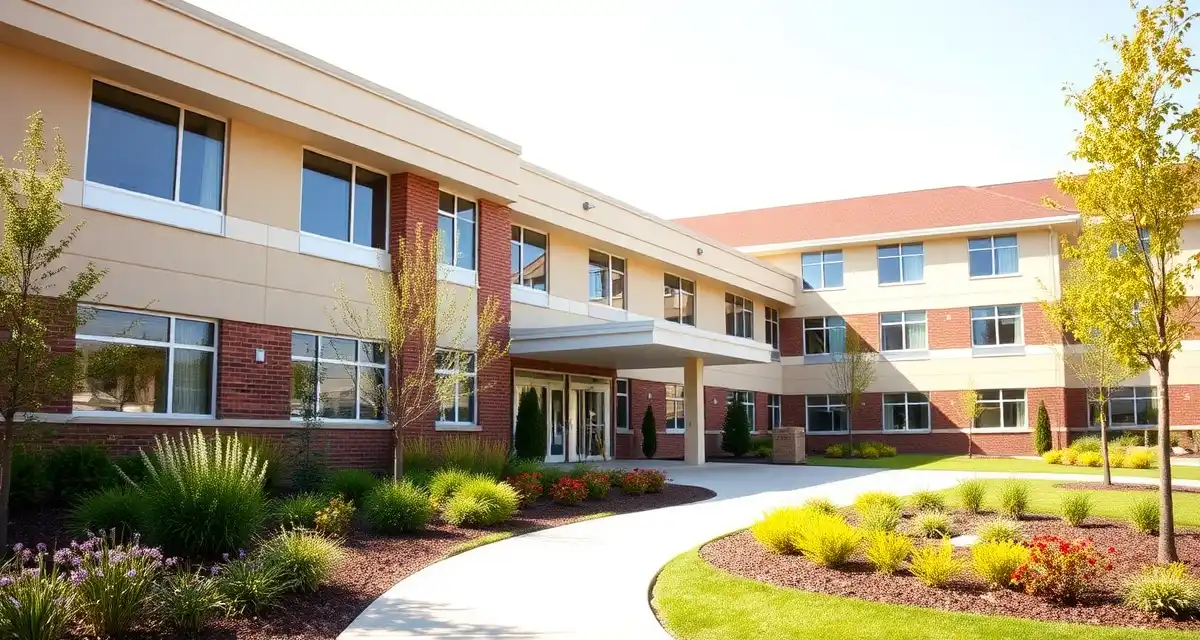
Septic Service for Assisted Living Facilities
By the SepticMind Editorial Team
Assisted living facility septic violations carry fines averaging $22,000, among the highest in any commercial category. More importantly, assisted living facility septic failures trigger mandatory state health department notification and potential license action -- meaning a system failure doesn't just create a repair bill. It puts the facility's operating license at risk and directly affects the residents who live there.
TL;DR
- Assisted Living facilities have distinct wastewater loading patterns that affect septic system sizing, service frequency, and permit requirements.
- Commercial and institutional properties like assisted living typically require more frequent pumping than residential systems due to higher daily usage.
- Some assisted living operations generate waste streams (grease, chemicals, or high-volume flow) that require pre-treatment before reaching the septic system.
- Service contracts for assisted living provide predictable recurring revenue and are easier to manage with a platform that tracks commercial account schedules.
- Health department inspections for assisted living properties may require septic system condition documentation as part of facility licensing.
- Septic companies specializing in assisted living service build referral networks with property managers, architects, and health inspectors in that niche.
For septic service companies, assisted living facilities represent the highest compliance stakes in the residential care category. Getting service programs right for these accounts requires understanding both the technical demands of institutional wastewater management and the regulatory framework that governs licensed residential care facilities.
Why Assisted Living Facilities Face Heightened Scrutiny
State health departments license and inspect assisted living facilities because they serve vulnerable populations who depend on the facility for safe, sanitary living conditions. Onsite septic systems are part of the sanitary infrastructure that the health department evaluates.
Assisted living facility septic failures trigger mandatory state health department notification and potential license action in most states. This is different from commercial property failures, which may or may not trigger regulatory notification depending on the severity and location. For assisted living, the notification requirement is automatic because the regulatory framework treats residents as protected individuals whose welfare is directly at stake.
The consequences of a compliance failure cascade quickly:
- Emergency health department inspection
- Potential temporary license suspension pending remediation
- Mandatory resident notification
- Required documentation of remediation plan and timeline
- Possible increased inspection frequency going forward
This is why assisted living operators are motivated to invest in proactive septic management rather than reactive maintenance.
Occupancy Characteristics and Wastewater Load
Assisted living facilities are 24/7 residential operations. Unlike most commercial facilities that have peak hours and off-hours, an assisted living facility has continuous wastewater generation throughout every day of the year. Residents are there all day, every day.
The wastewater characteristics of assisted living facilities differ from standard residential use in several ways:
Higher pharmaceutical loading: Residents take medications that pass through their systems and enter the wastewater. Antibiotics, cardiovascular drugs, and other pharmaceutical residues can affect the bacterial ecosystem in a septic system when present at elevated concentrations.
Higher per-resident use in some categories: Incontinence care, frequent bathing or showering assistance, and laundry from bed linens and clothing generate more water use per resident than self-sufficient residential occupancy.
Industrial laundry loads: Facilities that do their own laundry for linens and resident clothing use commercial-scale washing machines daily, adding significant gray water loading.
Kitchen and food service waste: Facilities that provide three daily meals generate food service wastewater with corresponding grease and BOD loading.
Compliance Documentation Requirements
Assisted living facilities are required to demonstrate ongoing septic compliance as part of their license maintenance. The documentation requirements typically include:
Annual pump-out records with dates, volumes pumped, and waste disposal documentation. These must be retained and producible on request during health department inspections.
System inspection records when periodic inspections are required by state program or facility license conditions. Some states require annual inspections of institutional septic systems.
Maintenance and repair records for any system work, including contractor information, scope of work, permit numbers, and completion certification.
Failure and emergency response records when any system malfunction occurs, including health department notification documentation and remediation records.
SepticMind's institutional account type tracks all required compliance documentation for assisted living facilities, maintaining a complete record that the facility can provide during licensing inspections without scrambling through paper files.
Service Intervals for Assisted Living Accounts
The continuous 24/7 occupancy of assisted living facilities means that service intervals cannot be extended the way some commercial accounts can during slow periods. There is no slow period at an assisted living facility.
Recommended service intervals based on facility size:
- Small assisted living home (6-12 residents): Semi-annual to quarterly service
- Mid-size facility (12-50 residents): Quarterly service minimum
- Larger assisted living campus (50+ residents): Monthly to quarterly service on individual building systems
For facilities with multiple buildings (a common configuration at larger assisted living campuses), each building's system needs individual service tracking.
Working With Facility Administrators
Assisted living facilities have professional administrators who manage all vendor relationships and compliance documentation. Your point of contact is typically the administrator, the facilities manager, or the director of environmental services -- not an owner who also makes the morning coffee.
When establishing an assisted living account:
- Provide a formal service agreement that specifies service frequency, documentation deliverables, and emergency response protocols
- Confirm who receives compliance documentation and in what format
- Establish an emergency contact chain that works 24/7
- Understand any facility-specific access requirements (visitor sign-in, background clearance, parking restrictions)
The professional context means your documentation and communication standards need to match. Email confirmations, dated service reports with specific system condition notes, and compliant pump-out receipts are expected -- not optional.
Emergency Response Planning
For assisted living facilities, emergency response time is a compliance issue, not just a customer service issue. If a septic system fails at an assisted living facility and creates a sanitary emergency, the health department clock starts ticking when the failure is reported.
Your emergency response protocol for assisted living accounts should include:
- Guaranteed maximum response time (what can you actually commit to for this account type?)
- After-hours contact that reaches a decision-maker with dispatch authority
- Access to emergency holding capacity if the system needs to be bypassed temporarily
- Clear protocol for health department notification assistance if required
Some assisted living operators will ask you to provide a written emergency response plan as part of the service agreement. This is reasonable to require and worth providing in writing.
The septic service for healthcare facilities page covers emergency response planning across the institutional care category more broadly.
Pricing Assisted Living Accounts
The compliance complexity, documentation requirements, and liability exposure of assisted living accounts justify premium pricing compared to standard commercial accounts.
Structure service agreements for assisted living facilities to include:
- Defined service frequency with documented completion
- Compliance documentation package included (service reports, pump-out receipts, maintenance records)
- Emergency response availability with defined response time
- Annual system assessment visit beyond routine pump-out service
The combination of professional documentation, emergency availability, and institutional service quality creates a service offering that supports premium pricing and makes the account relationship durable.
For the septic inspection for commercial properties portion of assisted living work, inspection reports need to address institutional use characteristics specifically -- not just whether the system is functional, but whether it's adequate for continuous residential care facility use.
Get Started with SepticMind
Managing service contracts for assisted living properties is easier with a platform built for the septic trade. SepticMind tracks commercial service schedules, documents every inspection visit, and keeps your compliance records organized by property. See how it handles your commercial account portfolio.
Frequently Asked Questions
What compliance requirements govern septic systems at assisted living facilities?
Assisted living facilities are licensed by state health departments that include sanitation infrastructure -- including onsite septic systems -- in their licensing standards. Most states require proof of functional and maintained septic systems for initial licensing and annual renewal. Some states require annual septic system inspections for licensed residential care facilities. Septic failures at assisted living facilities trigger mandatory health department notification in most states, and serious violations can lead to license action. The facility administrator should have access to current state licensing standards specifying septic requirements for their license category.
How often must assisted living facility septic systems be inspected?
Requirements vary by state, but most states with active assisted living licensing programs require annual inspection of onsite wastewater systems serving licensed residential care facilities. Some states require inspections at each license renewal (which may be annual or biennial). Beyond inspection requirements, pump-out frequency for assisted living systems should be quarterly at minimum for mid-size facilities given the continuous 24/7 residential use. Facilities with full food service programs (three meals daily) need more frequent service to manage kitchen wastewater loading alongside residential use.
Does SepticMind support mandatory health department reporting for assisted living septic compliance?
Yes. SepticMind's institutional account type maintains all service records in a format that supports health department reporting. Service dates, volumes, technician certification, and system condition notes are all captured and stored at the account level. When an assisted living facility needs to demonstrate septic compliance during a licensing inspection, the documentation is accessible and organized rather than spread across paper files. Emergency response records are also maintained separately so the full compliance picture is clear, including any incidents and how they were handled.
How often should a septic system serving a assisted living property be inspected?
Septic systems at assisted living properties should be inspected at least annually and pumped more frequently than residential systems, since commercial-scale daily water usage accelerates sludge and grease accumulation. The exact frequency depends on the specific activities at the facility, peak occupancy, any food service or chemical use on-site, and local regulatory requirements. A service provider familiar with assisted living operations can recommend an appropriate inspection and pumping schedule based on the system's actual usage profile.
What septic system issues are most common at assisted living properties?
The most common septic problems at assisted living properties are rapid sludge accumulation from high occupancy, grease trap failure if food service is involved, hydraulic overloading during peak-use periods, and non-biodegradable waste disposal from cleaning or maintenance activities. Regular inspection and a service contract with clear maintenance intervals are the most effective ways to catch these problems before they cause system failure or regulatory violations.
Try These Free Tools
Sources
- National Onsite Wastewater Recycling Association (NOWRA)
- US EPA Office of Wastewater Management
- NSF International
- Water Environment Federation
- National Environmental Services Center (NESC)