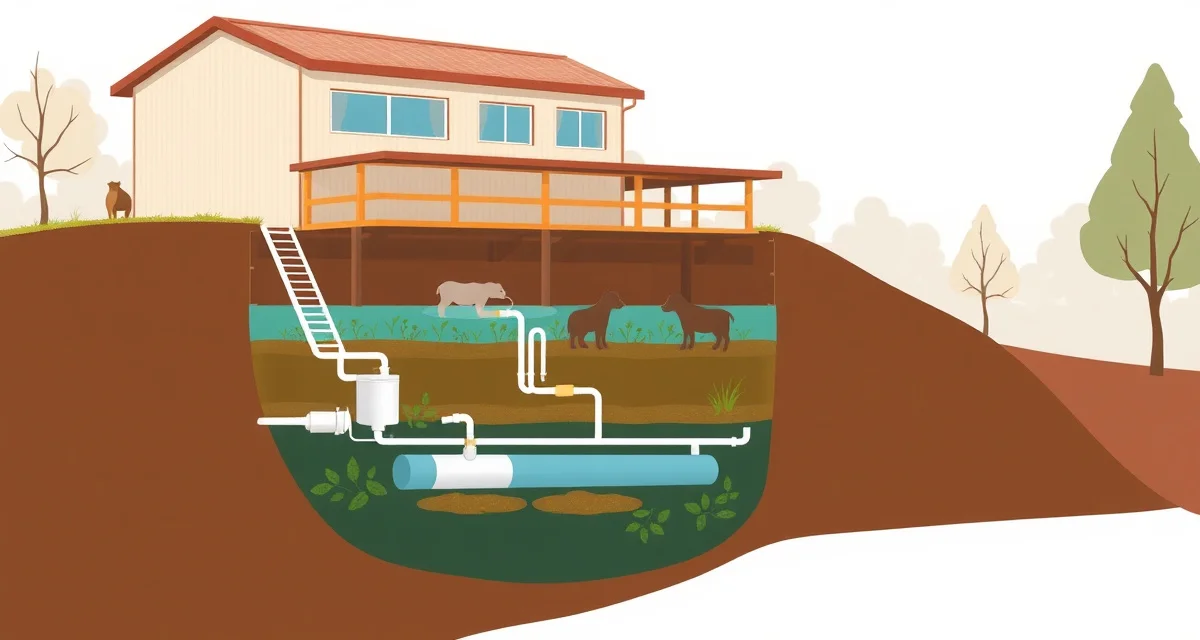
Septic Service for Animal Shelters and Kennels
By the SepticMind Editorial Team
Animal shelter septic systems face high biological loads from animal waste that accelerate tank filling. A septic failure at an animal shelter creates health code violations affecting animal welfare licensing. SepticMind's kennel account type adjusts service intervals for high animal occupancy loads.
TL;DR
- Animal Shelters facilities have distinct wastewater loading patterns that affect septic system sizing, service frequency, and permit requirements.
- Commercial and institutional properties like animal shelters typically require more frequent pumping than residential systems due to higher daily usage.
- Some animal shelters operations generate waste streams (grease, chemicals, or high-volume flow) that require pre-treatment before reaching the septic system.
- Service contracts for animal shelters provide predictable recurring revenue and are easier to manage with a platform that tracks commercial account schedules.
- Health department inspections for animal shelters properties may require septic system condition documentation as part of facility licensing.
- Septic companies specializing in animal shelters service build referral networks with property managers, architects, and health inspectors in that niche.
The Biological Load Challenge
Animal shelters and kennels generate wastewater with a biological loading profile that differs significantly from other commercial facilities at equivalent square footage. The key difference is the volume and concentration of animal waste.
An active shelter housing 50-100 dogs generates far more concentrated biological waste than 50-100 adult humans at an office. Animals eliminate waste continuously rather than using scheduled restroom facilities, the waste is cleaned from kennels using high water volumes, and the biological oxygen demand (BOD) from animal waste is typically higher than human waste.
The specific wastewater sources at animal shelters and kennels:
Kennel cleaning: Each dog run or kennel is cleaned daily using water and disinfectant. The volume of wash water from a shelter with 50 dog runs adds up quickly -- a rough estimate of 5-10 gallons per kennel daily from wash-down.
Animal bathing: Intake animals are often bathed as part of the adoption preparation process. Grooming services at kennels add regular gray water loading from dog baths.
Veterinary care areas: Most shelters have a medical area for intake exams and sick animal care. Veterinary waste with pharmaceutical residues adds to the waste stream.
Laundry: Bedding, towels, and cleaning rags generate significant laundry gray water.
Staff and visitor facilities: The standard commercial wastewater from restrooms, break room, and office areas.
Service Intervals Based on Animal Occupancy
SepticMind's kennel account type calculates service intervals based on animal occupancy, reflecting the reality that a full shelter generates significantly more septic load than one at partial occupancy.
Starting points for service intervals:
- Small kennel or rescue operation (under 20 animals): Quarterly minimum
- Mid-size shelter (20-50 animals): Quarterly to monthly
- Large shelter or regional rescue facility (50+ animals): Monthly
Occupancy variability matters. A shelter that regularly operates at 80% capacity needs different service than one that varies between 30% and 100%. If you're establishing a service interval, calibrate it to the shelter's typical high-occupancy periods, not average occupancy.
Seasonal patterns also affect load. Many shelters see higher intake during spring and summer (kitten and puppy season). If your account experiences seasonal intake spikes, account for them in the service schedule.
Disinfectant and Cleaning Chemical Effects
Animal shelters use strong disinfectants for animal disease prevention -- Parvovirus, Distemper, Kennel Cough, and other highly transmissible animal diseases require aggressive sanitation protocols. The disinfectants used (bleach solutions, quaternary ammonium compounds, phenolic disinfectants) are the same compounds that can disrupt septic bacteria.
This creates a dual challenge: the biological load from animal waste fills tanks faster than typical commercial accounts, and the cleaning chemicals used to manage animal disease risk reduce the septic system's treatment efficiency.
Monitor accounts for signs that cleaning chemical loads are affecting treatment performance:
- Reduced processing of solids between service visits
- Changes in the character of tank contents
- Any unusual drainfield observations
More frequent service is the primary mitigation when cleaning chemical loads are high.
Compliance Documentation for Licensed Facilities
Animal shelters operating under state or county animal welfare licensing may face compliance requirements that include sanitation infrastructure documentation. Requirements vary by jurisdiction, but commonly include:
- Proof of functioning septic system as part of facility licensing
- Regular service records for the onsite wastewater system
- Health department compliance for public-facing facilities
For boarding kennels that accept pets from the public, health department permits may include sanitation requirements. When you establish a shelter or kennel account, understand what licensing the facility holds and whether septic maintenance is a license condition.
Get Started with SepticMind
Animal Shelters facilities need a service provider who understands the specific wastewater challenges of their operations. SepticMind makes it easy to manage commercial service contracts, track inspection schedules, and document service visits for every account in your portfolio. See how it supports commercial account management.
Frequently Asked Questions
What service intervals are recommended for animal shelter and kennel septic systems?
Quarterly is the minimum for most operating animal shelters and kennels. High-occupancy facilities -- those regularly housing 50+ animals with active kennel cleaning programs -- need monthly service. The high biological load from concentrated animal waste and the suppressive effect of strong disinfectants on septic bacteria both work against the system, requiring more frequent pump-outs to prevent solids overflow. The specific interval should be calibrated to the facility's typical occupancy, the kennel cleaning protocol, and the tank size. A new account's first service visit baseline assessment tells you the fill rate since the last service and helps set the right interval going forward.
What compliance documentation does an animal shelter need for its septic system?
Licensed animal shelters may need to provide proof of functioning, maintained septic systems as part of their animal welfare license renewal, depending on state and county licensing requirements. This typically means service records showing regular pump-outs at appropriate intervals, inspection records if required, and documentation of any system maintenance or repairs. For shelters that are also licensed health department food service facilities (having a kitchen for animal care), additional sanitation compliance documentation may be required. Check with the licensing agency -- state animal welfare boards, county animal control, and state veterinary boards all may have jurisdiction over different aspects of shelter operations.
Does SepticMind adjust service scheduling for high biological load accounts like kennels?
Yes. SepticMind's kennel account type supports custom service interval settings based on the facility's animal occupancy rather than defaulting to a standard commercial interval. Account notes document the animal type (dog, cat, mixed), typical occupancy range, cleaning protocol, and any veterinary program pharmaceutical load considerations. Service reminders trigger on the adjusted interval. When a new technician is dispatched to the account, the work order displays the account type context so they understand why the service frequency is set the way it is.
How often should a septic system serving a animal shelters property be inspected?
Septic systems at animal shelters properties should be inspected at least annually and pumped more frequently than residential systems, since commercial-scale daily water usage accelerates sludge and grease accumulation. The exact frequency depends on the specific activities at the facility, peak occupancy, any food service or chemical use on-site, and local regulatory requirements. A service provider familiar with animal shelters operations can recommend an appropriate inspection and pumping schedule based on the system's actual usage profile.
What septic system issues are most common at animal shelters properties?
The most common septic problems at animal shelters properties are rapid sludge accumulation from high occupancy, grease trap failure if food service is involved, hydraulic overloading during peak-use periods, and non-biodegradable waste disposal from cleaning or maintenance activities. Regular inspection and a service contract with clear maintenance intervals are the most effective ways to catch these problems before they cause system failure or regulatory violations.
Try These Free Tools
Sources
- National Onsite Wastewater Recycling Association (NOWRA)
- US EPA Office of Wastewater Management
- NSF International
- Water Environment Federation
- National Environmental Services Center (NESC)