Septic Permit Requirements in San Bernardino County California
By the SepticMind Editorial Team
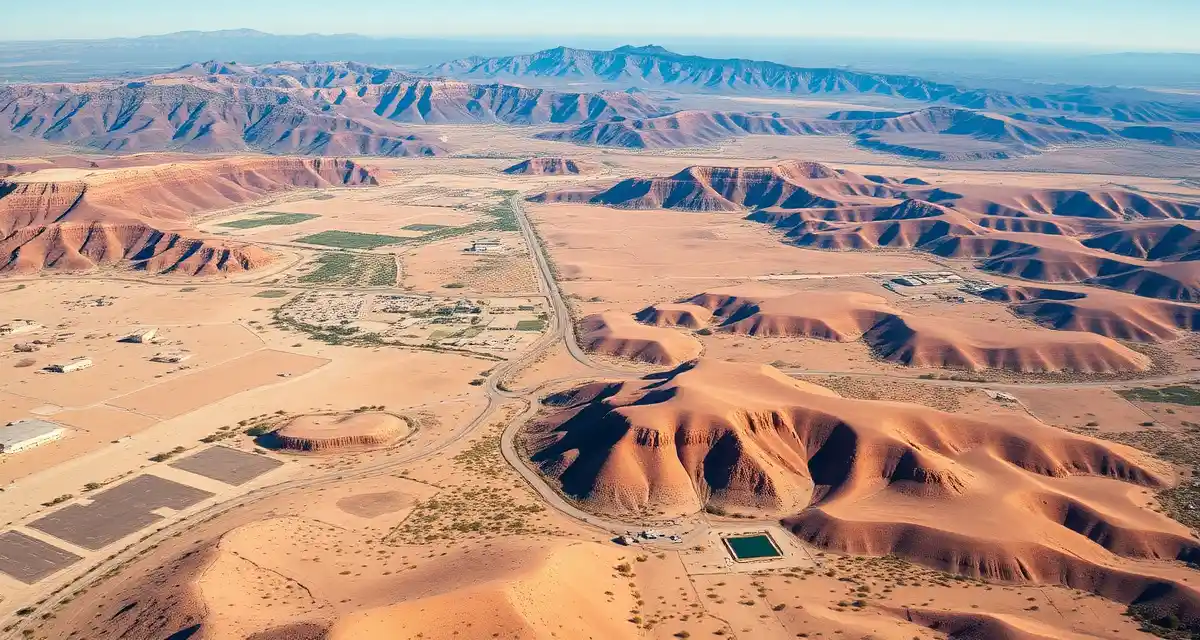
San Bernardino County is the largest county by area in the United States, with approximately 80,000 private septic systems spanning desert, mountain, and high desert zones with distinct soil-based OWTS requirements. For property owners and contractors in this geographically vast county, OWTS permitting rules vary significantly depending on whether your property is in the High Desert, the mountains, the Inland Valley, or another sub-region.
TL;DR
- Septic Permit Requirements In San Bernardino County septic permit requirements include specific application forms, fee schedules, and review timelines that differ from neighboring counties.
- Installation, repair, and inspection permits in Septic Permit Requirements In San Bernardino County are administered by the county health or environmental department.
- Site evaluation or soil testing is typically required before a Septic Permit Requirements In San Bernardino County installation permit is issued.
- Permit fees and review timelines in Septic Permit Requirements In San Bernardino County are best confirmed directly with the county office, as they change more frequently than state regulations.
- Operating without a required county permit can result in stop-work orders, fines, and mandatory removal of unpermitted work.
- Tracking Septic Permit Requirements In San Bernardino County permit applications, status, and expirations is easier with a purpose-built permit management platform.
San Bernardino County OWTS Program
San Bernardino County Land Use Services administers the OWTS permit program for the county's unincorporated areas under California's OWTS Policy and San Bernardino County's Local Agency Management Program (LAMP). Given the county's enormous geographic extent, the LAMP accounts for the dramatically different soil, climate, and water quality conditions across different parts of the county.
The county has several environmental health districts or service zones that may have slightly different operational procedures, though the fundamental permit requirements flow from the LAMP. Confirm which office handles permits for your specific property location when starting a project.
SepticMind maps San Bernardino County Land Use OWTS permit requirements by area type, helping users navigate the county's zone-specific requirements.
Geographic Zones and Their OWTS Implications
San Bernardino County's diversity means that what works for OWTS design in one part of the county may not work in another:
High Desert (Victor Valley, Barstow area): Desert soils in the High Desert often have high percolation rates due to sandy or gravelly textures, but depth to groundwater and the presence of underlying restrictive layers vary. The Mojave Water Agency's groundwater basin underlies much of the High Desert, making groundwater protection a significant consideration for OWTS in this area.
San Bernardino Mountains (Big Bear, Lake Arrowhead area): Mountain areas face shallow soils, rocky terrain, steep slopes, and proximity to mountain lakes and streams. OWTS design in mountain areas often requires engineered solutions due to site constraints. Big Bear Lake and other mountain water bodies receive heightened protection.
Inland Valley (Fontana, Rialto, Rancho Cucamonga area): The more urbanized portions of the Inland Valley are largely served by municipal sewer, but remaining unincorporated parcels may need OWTS. The Santa Ana Regional Water Quality Control Board has jurisdiction over this area.
Eastern Desert (29 Palms, Needles area): Extreme desert conditions with very high percolation in sandy soils. Water table conditions vary. OWTS design must account for desert climate effects on biological treatment performance.
Permit Requirements
OWTS Installation Permit: Required for all new onsite wastewater treatment systems on unincorporated San Bernardino County property. The application requires a site investigation and soil evaluation, a proposed system design, and review by Land Use Services.
Repair and Modification Permits: Required for significant repairs or changes to existing systems. Minor maintenance typically doesn't require a new permit.
Engineering Requirements: San Bernardino County requires engineer-prepared designs for many system types, particularly in mountain areas or on challenging sites.
Site Evaluation Process
San Bernardino County's site evaluation process assesses the same factors as other California counties, but the evaluation results can vary dramatically by location:
- Soil texture and percolation characteristics
- Depth to seasonal high water table or restrictive layers
- Available space for system placement with required setbacks
- Drainage patterns and topography
- Proximity to water bodies, wells, and other sensitive features
In mountain areas, winter conditions may limit when site evaluations can be conducted. Plan evaluation timing around seasonal access.
Get Started with SepticMind
County-level septic permits have specific requirements and timelines that differ from state baseline rules. SepticMind tracks county permit data with forms, fee schedules, and review timelines so you can prepare the right documents before you apply. See how permit tracking works.
Frequently Asked Questions
What OWTS permit requirements apply to San Bernardino County desert vs mountain areas?
San Bernardino County uses the same fundamental OWTS permit framework across all areas, but the design requirements and approved system types differ substantially based on local soil and site conditions. Desert areas with sandy soils may permit conventional systems with specific design parameters for high percolation rates, while mountain areas with shallow rocky soils may require engineered alternatives like mound systems or pressure distribution on sites where conventional gravity drainfields aren't feasible. Mountain areas near Big Bear Lake and Lake Arrowhead face additional water quality protection requirements from the Lahontan RWQCB. High Desert areas in the Mojave groundwater basin face Mojave Water Agency protection requirements. The appropriate system type and design approach for your specific property depends on your location within the county.
How does San Bernardino County's geography affect OWTS design requirements?
San Bernardino County's geographic extremes, from the Mojave Desert at sea level to mountain areas above 8,000 feet, create a wide range of soil conditions, climate factors, and water quality protection needs that directly affect OWTS design. Mountain areas typically require more intensive engineering due to steep slopes, shallow soils, and proximity to sensitive water bodies. Desert areas may have excellent percolation but face groundwater protection concerns and extreme temperature effects on biological treatment. High Desert communities have had OWTS challenges related to high water table conditions in some areas. Land Use Services tailors permit requirements to the specific conditions at each site, which is why the site investigation is such a critical part of the permit process.
Does SepticMind differentiate OWTS requirements by zone type in San Bernardino County?
Yes. SepticMind maps San Bernardino County OWTS requirements across the county's different geographic zones, including High Desert, mountain areas, and Inland Valley locations. Property owners and professionals can track OWTS permits, system type, and maintenance schedules with the relevant county zone requirements reflected in the compliance database. For mountain properties with ATUs or engineered systems under Lahontan RWQCB monitoring, SepticMind tracks required maintenance and reporting obligations. The platform generates service reminders appropriate for the specific system type and location. For professionals managing multiple OWTS properties across San Bernardino County's vast territory, all permits and compliance records are organized under one account.
What is required to apply for a septic installation permit in Septic Permit Requirements In San Bernardino County?
A Septic Permit Requirements In San Bernardino County septic installation permit application typically requires the property address, parcel information, a site plan showing the proposed system location relative to the house and property lines, soil evaluation results, and the contractor's license number. Some counties require the site plan to be prepared by a licensed engineer or soil scientist. Confirm the specific requirements with the Septic Permit Requirements In San Bernardino County health or environmental department before submitting, as incomplete applications are a common cause of review delays.
How long does permit review take in Septic Permit Requirements In San Bernardino County?
Permit review timelines in Septic Permit Requirements In San Bernardino County vary depending on application volume and whether additional documentation or site visits are required. Simple repair permits may be approved within days; new installation permits requiring soil evaluation and engineering review can take four to eight weeks or longer. Real estate transactions with permit requirements should allow adequate lead time. Contact the Septic Permit Requirements In San Bernardino County permitting office directly for current processing times before committing to a project timeline or closing date.
Try These Free Tools
Sources
- National Onsite Wastewater Recycling Association (NOWRA)
- US EPA Office of Wastewater Management
- NSF International
- Water Environment Federation
- National Environmental Services Center (NESC)