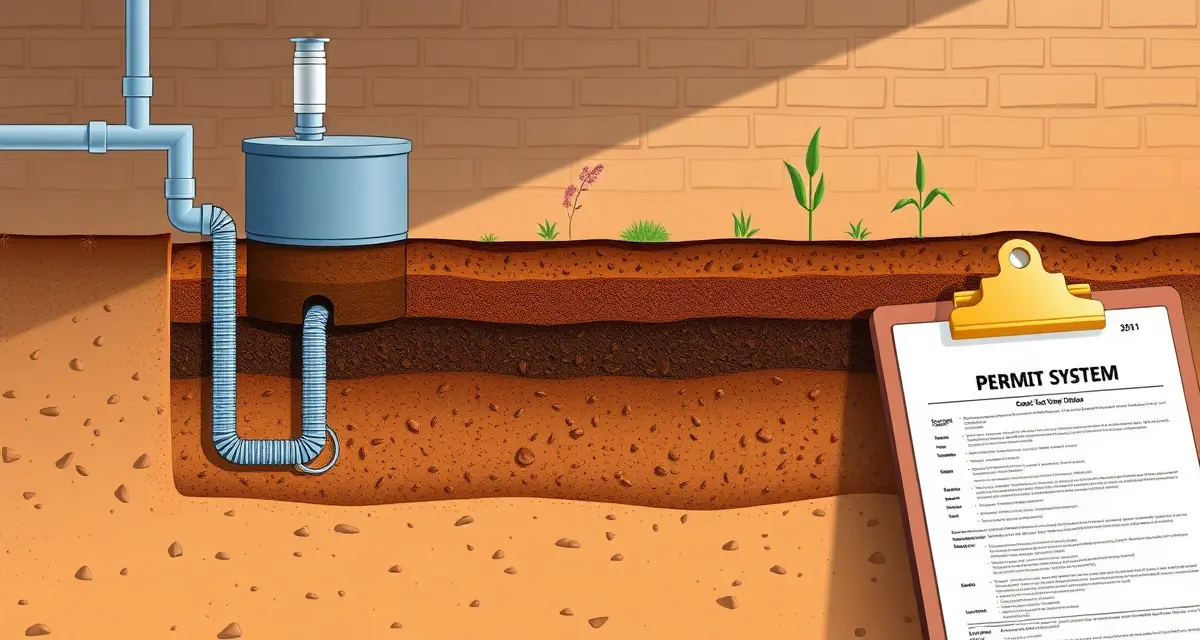
Septic Permit Requirements in Cook County Illinois
By the SepticMind Editorial Team
Cook County has approximately 18,000 private septic systems in unincorporated areas outside Chicago, and Cook County unincorporated areas have unique septic permit requirements separate from Chicago city standards. For property owners and contractors dealing with household sewage disposal systems in unincorporated Cook County, the Cook County Department of Environmental Control is the permitting authority.
TL;DR
- Septic Permit Requirements In Cook County septic permit requirements include specific application forms, fee schedules, and review timelines that differ from neighboring counties.
- Installation, repair, and inspection permits in Septic Permit Requirements In Cook County are administered by the county health or environmental department.
- Site evaluation or soil testing is typically required before a Septic Permit Requirements In Cook County installation permit is issued.
- Permit fees and review timelines in Septic Permit Requirements In Cook County are best confirmed directly with the county office, as they change more frequently than state regulations.
- Operating without a required county permit can result in stop-work orders, fines, and mandatory removal of unpermitted work.
- Tracking Septic Permit Requirements In Cook County permit applications, status, and expirations is easier with a purpose-built permit management platform.
Illinois Private Sewage Disposal Code
Illinois regulates private sewage disposal systems under the Illinois Private Sewage Disposal Code (410 ILCS 905), administered by the Illinois Department of Public Health. The state code establishes minimum standards for design, installation, and maintenance of private sewage systems. Local governments, including counties, adopt and enforce the state code requirements.
Cook County adopts and enforces the Illinois Private Sewage Disposal Code for unincorporated county areas, with Cook County's Department of Environmental Control serving as the local enforcement authority. Note that incorporated municipalities within Cook County have their own building and plumbing codes that may differ from the county rules.
SepticMind maps Cook County Department of Environmental Control septic permit requirements within the Illinois PSDC framework.
Who Needs a Permit in Unincorporated Cook County
Properties in unincorporated areas: Unincorporated Cook County refers to areas not within the boundaries of any incorporated municipality. Despite Cook County being largely urbanized, several unincorporated areas remain where properties rely on private septic.
New installations: Any new private sewage disposal system installation requires a permit from Cook County Department of Environmental Control.
Repairs and replacements: Significant repairs, component replacements, or system modifications require permits. Minor maintenance (like routine pump-outs) doesn't require a permit.
Distinguishing from Chicago requirements: Chicago has its own building code and plumbing code administered by the City of Chicago's Department of Buildings. Properties within Chicago do not use Cook County DEC permits. Suburban municipalities within Cook County also have their own requirements. Confirm whether your property is in unincorporated Cook County before applying.
The Cook County Permit Process
The private sewage disposal system permit process in Cook County follows the Illinois PSDC framework:
Application submission: Submit a permit application to Cook County DEC with property information, proposed system type and design, and site information.
Site review: DEC may conduct a site visit to assess soil conditions, available space, and setback compliance.
Permit issuance: If the application meets state code and local requirements, DEC issues the installation permit.
Licensed installer: Illinois requires that private sewage disposal systems be installed by a licensed plumbing contractor or a licensed private sewage system contractor.
Inspection: After installation, DEC inspects the system before it's covered or put into service.
Cook County Soil Conditions
Cook County's predominantly flat glacial soils present a fairly consistent PSDC design environment compared to more topographically varied counties. However:
Seasonal high water table: Many Cook County unincorporated properties have high seasonal water tables that limit conventional system depth and may require modified approaches.
Clay soils: Heavy clay soils in parts of the county can have slow percolation rates that affect system sizing and design.
Buried fill areas: Some properties in historically developed areas may have fill soils that affect system suitability.
Lake Michigan proximity: While most Cook County unincorporated areas are not directly adjacent to Lake Michigan, proximity to drainage systems flowing to the lake creates water quality protection considerations.
Maintenance Requirements
Illinois PSDC requires that private sewage systems be maintained to function properly. Cook County DEC enforces maintenance requirements locally:
- Systems must be pumped at appropriate intervals to prevent overflow or failure
- Failing systems must be repaired or replaced with permitted work
- Abandoned systems must be properly decommissioned
Get Started with SepticMind
County-level septic permits have specific requirements and timelines that differ from state baseline rules. SepticMind tracks county permit data with forms, fee schedules, and review timelines so you can prepare the right documents before you apply. See how permit tracking works.
Frequently Asked Questions
What permits does Cook County require for residential septic installation?
Cook County Department of Environmental Control requires a private sewage disposal permit for all new residential septic system installations in unincorporated Cook County. The permit application requires property information, a proposed system design meeting Illinois Private Sewage Disposal Code requirements, and site details including soil conditions and available area. A licensed plumbing contractor or private sewage system contractor must perform the installation. After installation, Cook County DEC inspects the system before it's covered. This process applies only to unincorporated Cook County; properties within Chicago or any incorporated Cook County municipality follow that municipality's own permitting requirements, not the county process.
How do Cook County septic requirements differ from Chicago city standards?
Chicago properties are governed by the City of Chicago's building code and plumbing code, administered by the Chicago Department of Buildings, not by Cook County DEC. Chicago's dense urban infrastructure means that most properties are connected to the city's combined sewer system rather than private septic. The limited private sewage scenarios in Chicago follow city plumbing code, not the Illinois PSDC county program. For unincorporated Cook County, the county DEC administers the Illinois PSDC state framework. Suburban municipalities within Cook County each have their own building and plumbing authorities. If you're not sure which jurisdiction applies to your property, confirm with the Cook County DEC or your municipality's building department.
Does SepticMind include Cook County DEC septic permit documentation?
Yes. SepticMind maps Cook County Department of Environmental Control permit requirements for unincorporated Cook County properties. Property owners and licensed contractors in unincorporated Cook County can track permit status, system type, and maintenance history in SepticMind. The platform generates service reminders calibrated to Illinois PSDC maintenance requirements. For contractors managing multiple private sewage system projects across unincorporated Cook County, all permit records and service histories are organized under one account. SepticMind clearly distinguishes Cook County unincorporated rules from Chicago city requirements and from suburban municipality requirements within the county.
What is required to apply for a septic installation permit in Septic Permit Requirements In Cook County?
A Septic Permit Requirements In Cook County septic installation permit application typically requires the property address, parcel information, a site plan showing the proposed system location relative to the house and property lines, soil evaluation results, and the contractor's license number. Some counties require the site plan to be prepared by a licensed engineer or soil scientist. Confirm the specific requirements with the Septic Permit Requirements In Cook County health or environmental department before submitting, as incomplete applications are a common cause of review delays.
How long does permit review take in Septic Permit Requirements In Cook County?
Permit review timelines in Septic Permit Requirements In Cook County vary depending on application volume and whether additional documentation or site visits are required. Simple repair permits may be approved within days; new installation permits requiring soil evaluation and engineering review can take four to eight weeks or longer. Real estate transactions with permit requirements should allow adequate lead time. Contact the Septic Permit Requirements In Cook County permitting office directly for current processing times before committing to a project timeline or closing date.
Try These Free Tools
Sources
- National Onsite Wastewater Recycling Association (NOWRA)
- US EPA Office of Wastewater Management
- NSF International
- Water Environment Federation
- National Environmental Services Center (NESC)