Septic Inspection When a Water Well Is Nearby
By the SepticMind Editorial Team
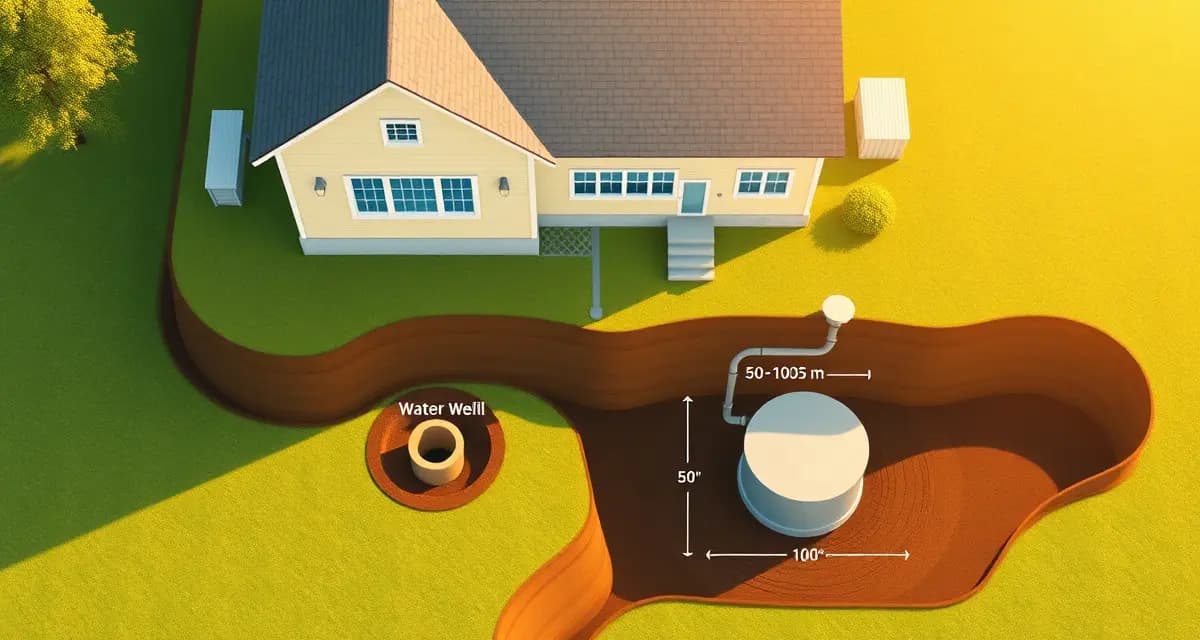
The minimum septic-to-well horizontal setback is 50 feet in most states but exceeds 100 feet in 18 states. Properties with both wells and septic systems face stricter setback requirements in all 50 states. SepticMind flags properties with both well and septic records for enhanced inspection protocols.
TL;DR
- Septic inspections require state-specific report formats that must be completed correctly before they are accepted by regulators, lenders, or buyers.
- Photo documentation with timestamps and GPS coordinates is the minimum standard for defensible inspection reports.
- Real estate inspection reports in most states must be filed with the county health department within a specified timeframe.
- Inspector credentials must be current and visible on every submitted report; expired credentials are grounds for report rejection.
- Digital inspection tools reduce report completion time from hours to minutes and eliminate transcription errors.
- Consistent documentation quality across all technicians protects company reputation in the real estate inspection market.
When a property relies on both a private drinking water well and a septic system for wastewater disposal, the proximity of these two systems creates the primary groundwater contamination risk that septic inspection requirements are designed to address.
Why Well-Septic Proximity Matters
Septic systems treat wastewater in the soil before it reaches groundwater -- that's the fundamental design principle. But "treat" doesn't mean eliminate all pathogens and contaminants. Conventional drainfields reduce but don't eliminate bacteria, viruses, and chemical compounds from septic effluent.
When a well draws water from the same aquifer that receives septic effluent, the risk of contamination is real. The key variables are:
Horizontal distance: The farther the well is from the septic system, the more soil treatment occurs before effluent reaches the well capture zone. Most states set 50-100 foot minimum horizontal setbacks.
Vertical separation: If the well draws from a different aquifer than where the septic drainfield operates (with an impermeable layer between them), the contamination risk is lower even at shorter horizontal distances.
Soil type and depth: Fast-draining sandy soils provide less treatment per foot of travel than fine-grained soils. High water table conditions reduce the treatment depth available above the water table.
System condition: A failing drainfield creates much higher near-field contamination risk than a functioning one. Surfacing effluent near a well is an immediate health hazard.
Setback Requirements by State
The minimum 50-foot horizontal setback is a common baseline, but states with more protective frameworks require significantly more distance:
States requiring 100+ foot setbacks:
New Hampshire, Vermont, Massachusetts, Maine, and others in the New England region have historically required 75-100+ foot setbacks for conventional systems. Some states have different setbacks for different well types (drilled wells vs. dug wells) and system types.
States with 50-75 foot standard setbacks:
Many mid-Atlantic, southeastern, and midwestern states fall in this range for standard conditions.
Conditional setback exceptions:
Most states allow reduced setbacks when hydrogeologic conditions are documented to be protective -- typically requiring a licensed engineer or geologist to evaluate the site-specific conditions.
Horizontal vs. effective setback:
The measured setback in most states is horizontal distance. But effective contamination risk depends on groundwater flow direction. A well "downhill" from a septic system in the direction of groundwater flow faces higher risk than one at the same distance but upgradient.
What the Inspection Must Cover on Well-Septic Properties
Standard inspection protocols don't adequately address the well-proximity concern. Enhanced inspection for properties with both systems should include:
System location and setback documentation:
- GPS or measurement-based location of both the well head and the nearest septic component (tank, distribution box, drainfield edge)
- Calculated horizontal setback
- Comparison to the state's required minimum setback
- If setback is below the minimum: clearly document the non-compliance and its implications
Groundwater flow assessment:
- Site topography and probable groundwater flow direction
- Relative elevation of well and drainfield (is the well upgradient or downgradient?)
- Any surface water, drainage, or topographic features affecting flow direction
Drainfield condition emphasis:
- More intensive surface observation for any surfacing or saturation near the well
- Any odors near the well area that might suggest septic influence
- Probe testing to assess saturation in the well capture zone area
Well condition observation:
- Is the well casing above grade and sealed against surface water entry?
- Is there any evidence of surface contamination near the well head?
- Note: water quality testing is outside the scope of a septic inspection but should be recommended when proximity concerns exist
Water quality testing recommendation:
When setback is below minimum, or when drainfield condition is concerning, recommend water quality testing from the well as part of the report's recommendations. You're not doing the testing -- but the recommendation puts the concern on record and protects you.
Lender Requirements for Well-Septic Properties
Properties with both wells and septic systems face more stringent lender requirements than properties with only one or the other:
- Most lenders require testing of both the well water and the septic system for rural properties with both systems
- FHA and USDA loans have specific well water quality requirements that must be met
- VA loans require water quality testing for properties with private wells
- The well and septic inspections are often ordered separately but both required for loan approval
Your inspection report on a well-septic property will be reviewed alongside the water quality test results. If your drainfield condition findings suggest possible contamination and the water test shows elevated coliform, the connection is obvious and the property has a serious problem.
Get Started with SepticMind
Inspection work is the highest-visibility service in the septic trade, and your documentation quality directly affects your reputation with real estate agents, lenders, and county officials. SepticMind generates state-formatted inspection reports in the field with photo documentation attached. See how it supports your inspection workflow.
Frequently Asked Questions
What is the minimum distance between a septic system and drinking water well?
The minimum horizontal setback between a septic system's drainfield and a private drinking water well is 50 feet in most states, but 18 states require more -- often 75-100 feet for conventional systems. The setback applies to the nearest point of the drainfield to the well, not the tank. Some states have different minimums for different well types (drilled vs. dug) and system types (conventional drainfield vs. ATU). Properties with setbacks below the state minimum are in violation regardless of when the systems were installed, and lenders typically won't approve loans on non-conforming properties without documented remediation.
What inspection is required when a well and septic are very close on a small property?
When setback distances are at or below minimums, enhanced inspection protocols are required: documented measurement of the setback, assessment of the groundwater flow direction relative to both systems, intensive drainfield surface observation including near the well, and a formal recommendation for water quality testing from the well. The inspection report should clearly state the measured setback, the applicable state minimum, whether the property meets the minimum, and any conditions that increase or decrease contamination risk. Lenders typically require this documentation in addition to the water quality test results before approving loans on tight-setback properties.
Does SepticMind flag inspection jobs at properties with both well and septic records?
Yes. When both a well and a septic system are documented in a property's SepticMind record, the property is automatically flagged for enhanced inspection protocols. The work order for any inspection at a flagged property displays the well-presence notation so the inspector knows before arrival to apply the proximity assessment protocol. Inspection templates at flagged properties include the setback documentation section, groundwater flow assessment fields, and the water quality testing recommendation prompt. The flag persists in the property record so any future inspection at the same property automatically receives the enhanced protocol.
What is the difference between a septic inspection and a septic pump-out?
A pump-out removes accumulated sludge and scum from the tank. An inspection evaluates the condition of all accessible system components: tank structure, baffles, distribution box, drainfield, and in some cases the outlet line. A real estate or regulatory inspection produces a written report in the state-required format with findings and a pass/conditional pass/fail determination. Many inspection visits include a pump-out as part of the service, but the pump-out alone is not the inspection.
Can inspection reports be submitted electronically to the county?
Yes, most counties and state agencies accept electronic inspection report submissions and many now prefer or require them. The report must be in the state-required format and include all required fields, the inspector's credentials, and any required signatures or attestations. Purpose-built inspection software generates the report in the correct state format and can submit it electronically directly from the field.
Try These Free Tools
Sources
- National Onsite Wastewater Recycling Association (NOWRA)
- US EPA Office of Wastewater Management
- NSF International
- American Society of Home Inspectors (ASHI)
- Water Environment Federation