Septic Inspections for Floodplain Properties: Special Requirements
By the SepticMind Editorial Team
FEMA flood zone A and AE properties require elevated septic design in most states. Floodplain septic inspections must assess flood damage potential that standard inspections do not cover. For inspectors, understanding what floodplain properties require isn't optional -- it's what allows you to produce inspection reports that stand up to lender and regulatory scrutiny in a category with specific, well-documented requirements.
TL;DR
- Septic inspections require state-specific report formats that must be completed correctly before they are accepted by regulators, lenders, or buyers.
- Photo documentation with timestamps and GPS coordinates is the minimum standard for defensible inspection reports.
- Real estate inspection reports in most states must be filed with the county health department within a specified timeframe.
- Inspector credentials must be current and visible on every submitted report; expired credentials are grounds for report rejection.
- Digital inspection tools reduce report completion time from hours to minutes and eliminate transcription errors.
- Consistent documentation quality across all technicians protects company reputation in the real estate inspection market.
SepticMind property records include floodplain zone flags that appear in work orders for technicians, ensuring the appropriate inspection protocol is applied automatically.
Why Floodplains Create Special Septic Concerns
The connection between floodplains and septic system problems runs through groundwater. When a property floods:
High groundwater saturates the drainfield: A drainfield depends on unsaturated soil above the water table to process effluent. When floodwaters raise the water table into or above the drainfield elevation, the soil can't absorb or treat effluent. The system either backs up into the house or the effluent surfaces -- and in either case, untreated sewage reaches the surface during a flood event.
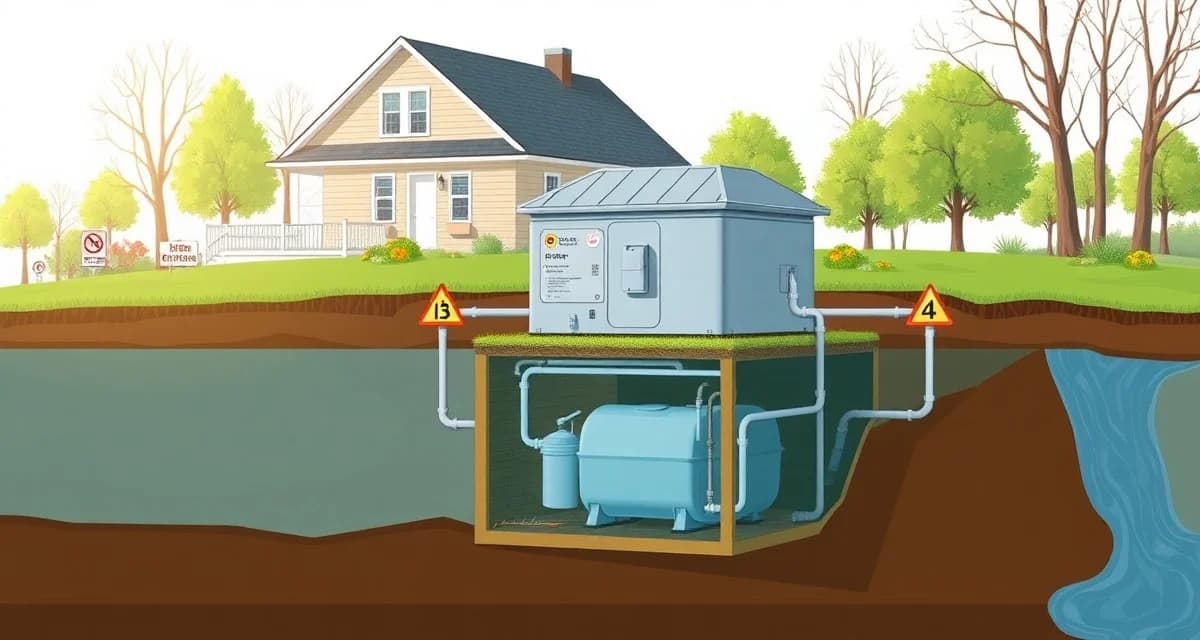
Tank flooding and contamination: Septic tanks in floodplains can be infiltrated by floodwater through unsealed lids, damaged risers, or above-ground inlet connections. Conversely, floodwaters can push sewage out of tanks and distribution systems back toward the surface or into structures.
Post-flood damage: Flooding can shift concrete tanks, crack pipes, damage distribution boxes, and erode drainfield soils. A system that appeared functional before a flood event may have significant concealed damage after.
Groundwater contamination risk: During flood events, failing or damaged septic systems in floodplains contribute directly to groundwater contamination. This is a public health issue that regulatory agencies take seriously, and why floodplain septic systems face more stringent design and inspection requirements.
FEMA Flood Zone Classifications
FEMA's National Flood Insurance Program (NFIP) classifies floodplain areas by flood risk. The classifications that most affect septic requirements:
Zone AE: The most common high-risk flood zone. 1% annual chance of flooding (100-year flood). Base flood elevation has been determined. Most state septic programs that have enhanced floodplain requirements apply them in Zone AE.
Zone A: High-risk flood zone similar to AE but without a determined base flood elevation. Same general treatment for septic purposes.
Zone X (shaded): Moderate flood risk area. 0.2% annual chance of flooding (500-year flood). Requirements vary by state -- some states apply enhanced requirements, others treat Zone X as standard.
Zone X (unshaded): Minimal flood risk. Generally no enhanced septic requirements, though proximity to water is always worth noting.
Elevated Design Requirements
In most states, septic systems in FEMA Zone A and AE areas must be designed with elevated components to stay above the base flood elevation:
Elevated drainfields: Mound systems and elevated drainfield configurations that place the absorption area above the base flood elevation are typically required when the standard drainfield elevation would be at or below flood level.
Flood-resistant tank anchoring: Septic tanks in high-water-table and floodplain areas must be anchored to prevent flotation during flood events. An unanchored tank can float out of the ground when the water table rises -- a dramatic failure with obvious consequences.
Sealed components: All tank lids, risers, and access ports must be sealed to prevent floodwater infiltration and sewage exfiltration during flood events.
Setbacks from water features: Floodplain setback requirements from streams, rivers, and water bodies are typically larger than standard setback requirements.
What a Floodplain Inspection Must Cover
A standard septic inspection checklist doesn't address the flood-specific concerns. A floodplain inspection requires additional elements:
Flood zone verification:
- Confirm the property's FEMA flood zone classification from FEMA's Flood Map Service Center
- Note the base flood elevation if determined (Zone AE)
- Document flood zone in the report as context for all other findings
Flood-resistant design assessment:
- Is the drainfield at an elevation above the base flood elevation? If mound system, is the mound adequate height?
- Are tank components sealed against floodwater entry?
- Is the tank anchored (evidence of anchor straps or concrete anchoring)?
- Are all access points (lids, risers) in flood-resistant condition?
Flood damage assessment (post-flood inspections):
- Evidence of tank shifting or movement
- Pipe damage or disconnection
- Drainfield erosion or damage
- Sediment in distribution box or manifold
- Any signs of floodwater infiltration into tank (unusual water levels, diluted contents)
High water table assessment:
- Soil saturation in drainfield area
- Seasonal high water table relative to drainfield elevation
- Evidence of previous saturation events
Mortgage and Insurance Implications
Properties in FEMA flood zones face specific mortgage requirements that make septic inspection documentation more important:
Lender requirements: Most lenders require a septic inspection on floodplain properties. The inspection must address flood-specific concerns -- a standard residential inspection format that doesn't mention flood zone considerations will be questioned or rejected by lenders familiar with floodplain requirements.
Flood insurance requirements: NFIP flood insurance is required for federally backed mortgages on properties in Zone A and AE. While septic system damage may not be directly covered by flood insurance, a well-documented inspection establishes baseline condition before any future flood events.
Resale considerations: Buyers of floodplain properties are increasingly sophisticated about septic risks. A thorough inspection report that addresses flood-specific concerns builds buyer confidence and reduces the likelihood of post-inspection renegotiation.
Get Started with SepticMind
Inspection work is the highest-visibility service in the septic trade, and your documentation quality directly affects your reputation with real estate agents, lenders, and county officials. SepticMind generates state-formatted inspection reports in the field with photo documentation attached. See how it supports your inspection workflow.
Frequently Asked Questions
What additional septic requirements apply to properties in FEMA floodplain zones?
Properties in FEMA Zone A and AE typically require elevated septic design -- specifically, drainfields placed above the base flood elevation, which often means mound systems or other elevated configurations. Tank components must be flood-resistant with sealed lids and risers to prevent floodwater infiltration and sewage exfiltration during flood events. Tanks must typically be anchored to prevent flotation when the water table rises during flooding. Setback requirements from water features are larger than standard. The specific requirements vary by state -- some have detailed floodplain septic programs while others defer to general design standards.
Can a conventional septic system be permitted in a floodplain?
In some jurisdictions, yes -- particularly for Zone X (moderate risk) areas and in states without specific floodplain septic design requirements. In FEMA Zone A and AE areas, most states require elevated design rather than conventional in-ground drainfields, because a standard drainfield at the base flood elevation would be saturated and non-functional during flood events. Even where conventional systems are permitted in floodplains, additional design modifications (anchoring, sealed components, flood-resistant materials) are typically required. The local health department and state environmental agency are the authoritative sources for what's permissible in specific flood zones in your state.
Does SepticMind flag floodplain zone compliance requirements for job addresses?
Yes. SepticMind property records include a floodplain zone designation field that can be set when the property is added to the system. When a job is dispatched to a flagged property, the work order displays the floodplain status so the technician knows to apply the enhanced inspection protocol appropriate for floodplain properties. Inspection templates can be configured to prompt for flood-specific assessment elements when the property is flagged as a floodplain location. This ensures enhanced protocols are consistently applied without requiring dispatchers to remember which specific addresses have floodplain status.
What is the difference between a septic inspection and a septic pump-out?
A pump-out removes accumulated sludge and scum from the tank. An inspection evaluates the condition of all accessible system components: tank structure, baffles, distribution box, drainfield, and in some cases the outlet line. A real estate or regulatory inspection produces a written report in the state-required format with findings and a pass/conditional pass/fail determination. Many inspection visits include a pump-out as part of the service, but the pump-out alone is not the inspection.
Can inspection reports be submitted electronically to the county?
Yes, most counties and state agencies accept electronic inspection report submissions and many now prefer or require them. The report must be in the state-required format and include all required fields, the inspector's credentials, and any required signatures or attestations. Purpose-built inspection software generates the report in the correct state format and can submit it electronically directly from the field.
Try These Free Tools
Sources
- National Onsite Wastewater Recycling Association (NOWRA)
- US EPA Office of Wastewater Management
- NSF International
- American Society of Home Inspectors (ASHI)
- Water Environment Federation