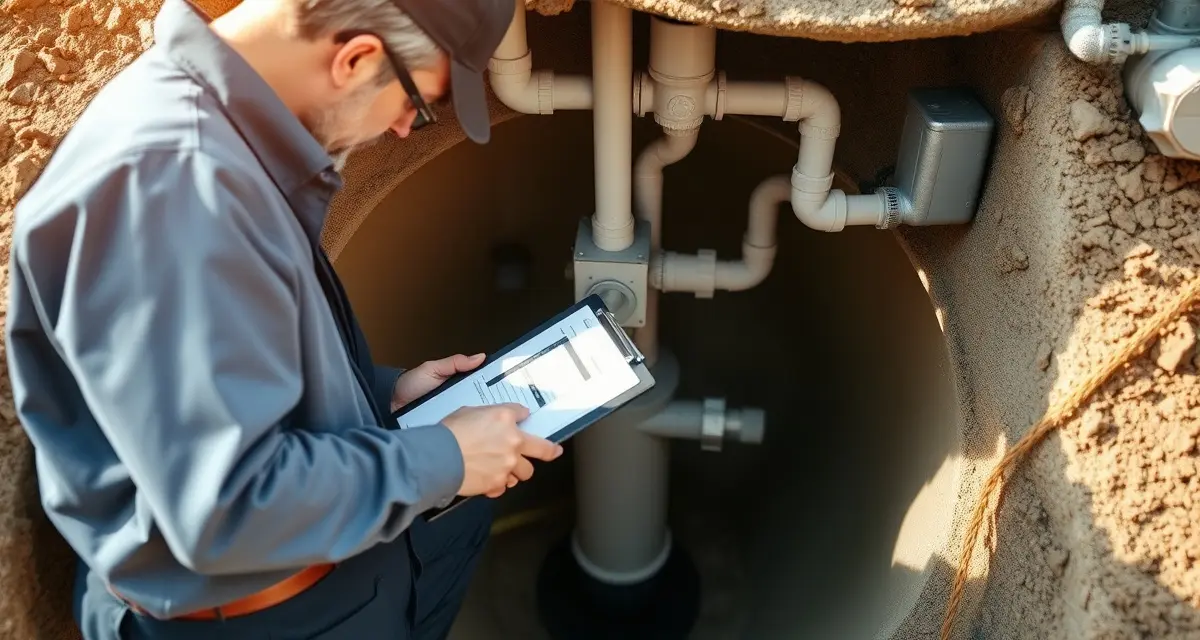
Septic Inspection for Flipped Houses: What Investors Need to Know
By the SepticMind Editorial Team
Septic system replacement is the most expensive single surprise cost for house flippers in rural markets. House flippers who skip septic inspections face surprise repair costs averaging $12,000 after acquisition -- and full system replacements routinely run $20,000-50,000 depending on the system type and installation complexity. For an investor running thin margins on a flip, a surprise septic failure can turn a profitable deal into a loss.
TL;DR
- Septic inspections require state-specific report formats that must be completed correctly before they are accepted by regulators, lenders, or buyers.
- Photo documentation with timestamps and GPS coordinates is the minimum standard for defensible inspection reports.
- Real estate inspection reports in most states must be filed with the county health department within a specified timeframe.
- Inspector credentials must be current and visible on every submitted report; expired credentials are grounds for report rejection.
- Digital inspection tools reduce report completion time from hours to minutes and eliminate transcription errors.
- Consistent documentation quality across all technicians protects company reputation in the real estate inspection market.
Fast digital inspection reports from SepticMind help investors make quick decisions on rural property acquisitions. Here's what you need to know before your next rural flip.
Should You Always Get a Septic Inspection Before Buying?
Yes. No exceptions for rural properties with onsite septic systems.
The argument for skipping is usually speed or cost -- the deal is moving fast, or the inspection costs $300-500 and the investor wants to save money. Both arguments fall apart under scrutiny. An inspection costs a fraction of one failed drainfield. And a same-day inspection report from a good inspector doesn't slow a deal down at all.
The more relevant question is what kind of inspection you need and how fast you need the results.
What a Pre-Purchase Inspection for a Flip Should Cover
A standard pre-purchase inspection for an investor buying a house to flip should include everything a residential buyer's inspection covers, plus a few flip-specific considerations:
System condition: Is the system currently functional? Are there signs of active failure (surfacing effluent, sewage odors in the house, sluggish drains)?
Tank condition: Is the tank structurally sound? Steel tanks over 25 years old often have significant corrosion. Concrete tanks may have cracked lids or baffle degradation. Condition matters because a tank replacement is $3,000-8,000 before any drainfield work.
Drainfield assessment: Surface observation for saturation, unusual vegetation patterns, or surfacing effluent. This is the most critical component -- drainfield failure is what drives the big repair costs.
System age: How old is the system? A well-maintained conventional system can last 25-40 years. A system past that range needs immediate attention in your cost estimate regardless of current apparent function.
Permit compliance: Is the system permitted? Unpermitted systems discovered during sale create complications, especially if the buyer is financing the purchase with a mortgage that requires a septic inspection.
Capacity adequacy for renovation: If you're adding bedrooms or bathrooms in the renovation, the existing system needs to be adequate for the new use. Adding a 4th bedroom to a house with a system permitted for 3 bedrooms typically requires a permit amendment and potentially a system upgrade.
Timing the Inspection for a Fast Deal
Investor deals often move on tighter timelines than standard residential transactions. If you're buying at auction or in an off-market deal with a short due diligence window, the inspection timeline matters.
The best inspectors in your area will accommodate 24-48 hour scheduling for investors who need fast turnarounds. Call directly and explain your situation -- most inspection companies serving rural markets know investors are a significant part of their client base and will prioritize scheduling accordingly.
Digital inspection reports delivered same-day (within 2 hours of completion) mean you can have the inspection done in the morning and be making a decision or renegotiating by afternoon. Paper reports mailed a week later don't serve the investor's timeline.
Using the Inspection to Renegotiate
A septic inspection finding isn't necessarily a deal-killer -- it's often a negotiating tool. If the inspection reveals:
Minor issues (baffle needs replacement, tank needs pumping, access risers should be added): You can price these into your renovation budget or request a seller credit. These are $500-3,000 items.
Moderate issues (tank cracking, inspection findings that suggest drainfield stress): Request a larger seller credit or adjust your offer price. Estimate repair cost conservatively because septic repairs often reveal additional problems once started.
Major issues (active drainfield failure, system needs full replacement): Renegotiate hard. A full system replacement cost is a real project budget item -- get estimates before proceeding. In some cases, the inspection finding is your basis for walking away if the seller won't adjust.
The inspection report gives you documentation and a professional assessment to support any renegotiation. Without it, you're guessing.
After You Buy: Post-Renovation Inspection
Many investors get a pre-purchase inspection but don't think about the system again until they're ready to list. This is a mistake.
Major renovation work -- particularly anything involving excavation near the drainfield, increased water use during construction (crews using bathrooms daily during extended renovations), or changes to the house's plumbing configuration -- can affect the septic system in ways that aren't visible until the system is stressed during occupancy.
Before you list a flipped property, a post-renovation pump-out and inspection confirms the system is in good condition and ready for the next owner. It also gives you documentation to provide to the buyer and their agent, which speeds through the listing inspection phase and demonstrates that you managed the property responsibly.
Get Started with SepticMind
Inspection work is the highest-visibility service in the septic trade, and your documentation quality directly affects your reputation with real estate agents, lenders, and county officials. SepticMind generates state-formatted inspection reports in the field with photo documentation attached. See how it supports your inspection workflow.
Frequently Asked Questions
Should a real estate investor always get a septic inspection before buying a rural property?
Yes. The cost of a pre-purchase inspection ($300-500) is trivial compared to the average surprise repair cost ($12,000) when investors skip it. Full septic system replacements run $20,000-50,000, which can eliminate profit on a flip entirely. Rural properties often have older systems that are at or approaching end of useful life, unpermitted modifications, or drainfields that are failing slowly in ways that aren't obvious without a professional assessment. The inspection is the only way to know what you're actually buying when you acquire a rural property with onsite wastewater.
How do I get a fast septic inspection turnaround for a time-sensitive property acquisition?
Call the inspector directly and explain your investor timeline. Most inspection companies serving rural markets accommodate investor clients with 24-48 hour scheduling. Specify that you need a digital report delivered the same day as the inspection -- this is increasingly standard practice among professional inspection companies and the best inspectors deliver within 2 hours of completing the field work. Avoid inspectors who mail paper reports or take multiple days to deliver findings, as this delays your decision-making on deals with tight timelines.
Can SepticMind inspectors turn around a report the same day as the inspection?
Yes. Inspectors using SepticMind complete their inspection documentation on a mobile device during the inspection itself, so the report is built in real time rather than compiled afterward from field notes. When the inspection is complete, the report is generated and delivered to the client immediately. Most SepticMind-equipped inspectors deliver digital reports within 1-2 hours of completing the field inspection. For investors with same-day decision requirements, this is the inspection workflow that makes quick deal decisions possible without sacrificing thoroughness.
What is the difference between a septic inspection and a septic pump-out?
A pump-out removes accumulated sludge and scum from the tank. An inspection evaluates the condition of all accessible system components: tank structure, baffles, distribution box, drainfield, and in some cases the outlet line. A real estate or regulatory inspection produces a written report in the state-required format with findings and a pass/conditional pass/fail determination. Many inspection visits include a pump-out as part of the service, but the pump-out alone is not the inspection.
Can inspection reports be submitted electronically to the county?
Yes, most counties and state agencies accept electronic inspection report submissions and many now prefer or require them. The report must be in the state-required format and include all required fields, the inspector's credentials, and any required signatures or attestations. Purpose-built inspection software generates the report in the correct state format and can submit it electronically directly from the field.
Try These Free Tools
Sources
- National Onsite Wastewater Recycling Association (NOWRA)
- US EPA Office of Wastewater Management
- NSF International
- American Society of Home Inspectors (ASHI)
- Water Environment Federation