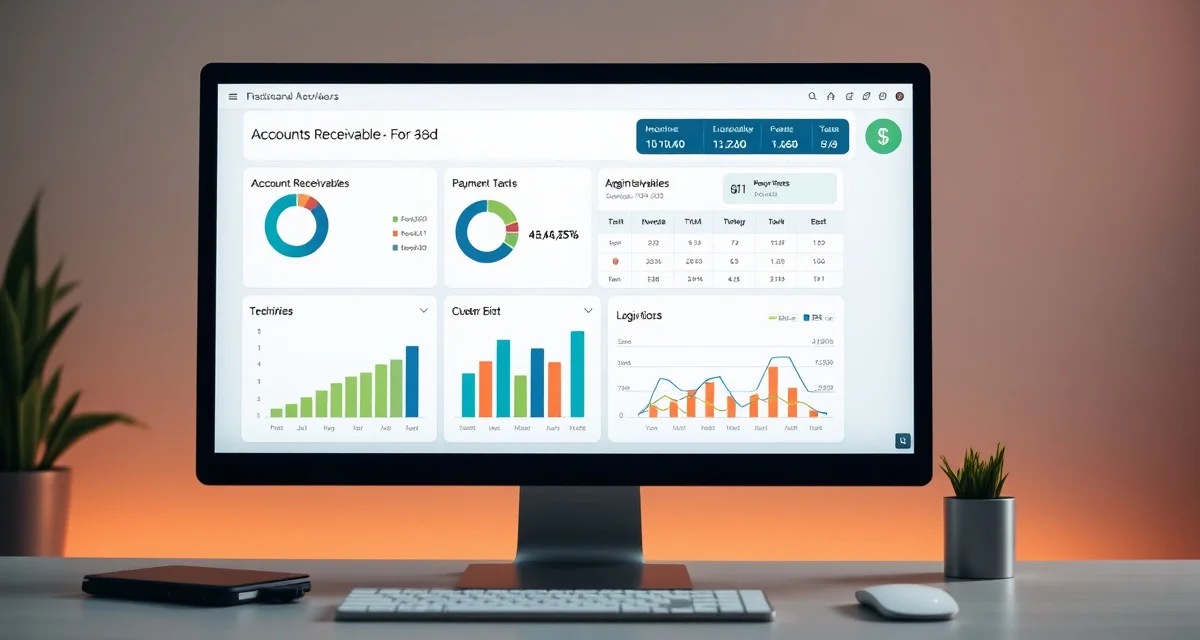
Septic Company Accounts Receivable Management: Cut Aging Invoices
By the SepticMind Editorial Team
Unpaid invoices over 60 days represent an average of 11% of annual revenue for septic companies without payment systems. For a company doing $500,000 per year, that's $55,000 sitting in aging receivables that should be in your bank account.
TL;DR
- Septic Company Accounts Receivable Management: Cut Aging Invoices requires balancing field operations, customer relationships, compliance obligations, and administrative management.
- Recurring service agreements provide the most predictable revenue base in the septic trade and should be a priority for growing businesses.
- Digital tools that automate scheduling, reminders, invoicing, and reporting reduce administrative overhead without adding staff.
- Tracking key performance metrics by route, technician, and service type identifies the most profitable and least profitable parts of the operation.
- Customer retention improvement through systematic follow-up typically generates more revenue than equivalent spending on new customer acquisition.
- Building commercial and institutional accounts alongside residential pumping creates revenue stability that supports equipment and hiring decisions.
Septic companies billing two or more days after job completion average 28-day payment cycles. Field payment collection with SepticMind reduces average payment cycle from 28 days to 4 days. That difference in cash flow affects everything: payroll timing, truck maintenance scheduling, and your ability to handle slow periods without stress.
Why Billing Lags Create Receivable Problems
The billing lag problem compounds. Here's how it typically develops:
- Tech completes jobs throughout the day
- Office processes paperwork the next morning
- Invoices are generated and mailed or emailed two days after service
- Customer receives invoice, intends to pay, gets busy
- 30 days pass
- Aging notice sent
- Customer pays: 45-60 days after service
Every day between service completion and invoice generation extends the payment cycle. And every billing lag creates an opportunity for the customer to forget, deprioritize, or dispute the charge because the service is a distant memory.
The solution isn't better collection calls. The solution is getting the invoice to the customer before they leave the property.
Collecting Payment in the Field
Field payment collection with SepticMind reduces the 28-day cycle to 4 days. The mechanism is simple: the technician generates and sends the invoice when they mark the job complete, and collects payment right then.
Payment methods that work in the field:
- Credit card via mobile card reader attached to the tech's phone
- Digital payment link sent via text that the customer can complete from their phone
- Digital check (ACH) capture via the app
- Cash (obviously, though this creates its own reconciliation steps)
Most customers in 2026 are comfortable with mobile payment. The card reader or payment link has minimal friction for the customer. And most customers expect to pay at service completion for any home service.
What payment options should I offer to commercial septic customers? Commercial accounts have different expectations. Businesses with accounts payable processes may not be able to pay immediately on site. For commercial accounts, net-15 or net-30 terms with automated invoice delivery at service completion is more appropriate than expecting immediate payment. Commercial accounts should still receive the invoice immediately, even if payment timing is extended.
Automating Payment Follow-Up
Does SepticMind automate payment reminders for overdue accounts?
Yes. SepticMind's invoicing module can be configured to send automated payment reminders at specified intervals after invoice delivery. A common configuration:
- Day 0: Invoice sent at job completion
- Day 7: Gentle reminder if not paid
- Day 21: Second reminder with slightly stronger language
- Day 45: Alert to office for personal follow-up
Automated reminders collect the majority of outstanding invoices without requiring staff to manually track who owes what. The small percentage of invoices that reach the personal follow-up stage get focused staff attention rather than being lost in a spreadsheet.
Reducing Aging Receivables in Your Existing Portfolio
How do I reduce the number of aging invoices in my septic business?
For existing aging receivables, a systematic collection effort works:
Sort by age and amount. Focus first on invoices that are both old and large. A $2,000 invoice that's 90 days old gets priority over a $150 invoice that's 35 days old.
Personalized outreach for large aging invoices. A phone call from the owner or manager works better than a form letter for invoices over $500 that are 60+ days old. Direct personal contact demonstrates you're serious and often surfaces the reason for non-payment (invoice not received, billing dispute, customer cash flow issue) that a collection letter doesn't.
Payment plan options for customers with genuine hardship. For customers who won't or can't pay in full, a payment plan converts an uncollectable invoice into a schedule of smaller payments. Better to collect over three months than to write off the amount.
Write-off decision. Invoices over 120 days with no contact or payment should be evaluated for write-off. The cost of continuing to pursue a small invoice in staff time may exceed the invoice amount. Set a policy for write-off thresholds.
Get Started with SepticMind
Running a profitable septic business means managing compliance, customer relationships, and field operations without letting any of them slip. SepticMind handles the operational and compliance infrastructure so you can focus on growing the business. See what the platform can do for your operation.
Frequently Asked Questions
How do I reduce the number of aging invoices in my septic business?
Start by implementing field payment collection for all new jobs, which prevents new aging receivables from accumulating. For existing aging invoices, sort by age and amount and prioritize personal outreach for large, old invoices. Automated payment reminders handle the follow-up for smaller invoices. For customers with genuine hardship, offer structured payment plans rather than continuing to chase a single lump sum. Set a clear write-off policy for invoices that have exceeded a reasonable collection timeline.
What payment options should I offer to commercial septic customers?
Commercial customers often have structured accounts payable processes that don't accommodate immediate field payment. For commercial accounts, net-15 or net-30 terms with automatic invoice delivery at service completion is appropriate. Accept ACH/electronic payment, credit card, and check. Send automated reminders at your standard intervals. For large commercial accounts, consider assigning a specific contact for billing questions to reduce friction in the payment process. Collect a credit card or ACH authorization at the start of a commercial relationship so you have a payment method on file even if you extend terms.
Does SepticMind automate payment reminders for overdue accounts?
Yes. SepticMind's invoicing module sends automated payment reminders at configured intervals after invoice delivery. A standard configuration sends a gentle reminder at 7 days, a second reminder at 21 days, and flags accounts for personal follow-up at 45 days. The automated reminders handle the majority of collections without staff involvement, reserving manual follow-up effort for accounts that don't respond to automation. This combination of immediate invoicing, automated follow-up, and flagged personal outreach for persistent non-payment produces payment cycles notably shorter than manual billing and follow-up processes.
What metrics matter most for managing a septic service business?
The most important operational metrics for a septic service company are route utilization rate (percentage of available truck capacity actually booked), customer retention rate (percentage of customers who return for the next service visit), revenue per truck per day, cost per job including labor, disposal, fuel, and overhead allocation, and recurring revenue percentage from service agreements versus one-time calls. Companies that track these metrics by route and by technician identify improvement opportunities faster than those looking only at total revenue.
How does field service software reduce administrative costs for septic companies?
Field service software eliminates manual steps in scheduling, dispatching, invoicing, permit tracking, and inspection report preparation. Tasks that take an office manager 2-4 hours per day on spreadsheets and phone calls are handled automatically: reminders go out, reports generate, invoices are sent, and permit deadlines are flagged without human intervention. The hours saved are redeployed to customer service, sales, and higher-value work that grows the business.
Try These Free Tools
Sources
- National Onsite Wastewater Recycling Association (NOWRA)
- US EPA Office of Wastewater Management
- National Environmental Services Center (NESC)
- Water Environment Federation
- Occupational Safety and Health Administration (OSHA)