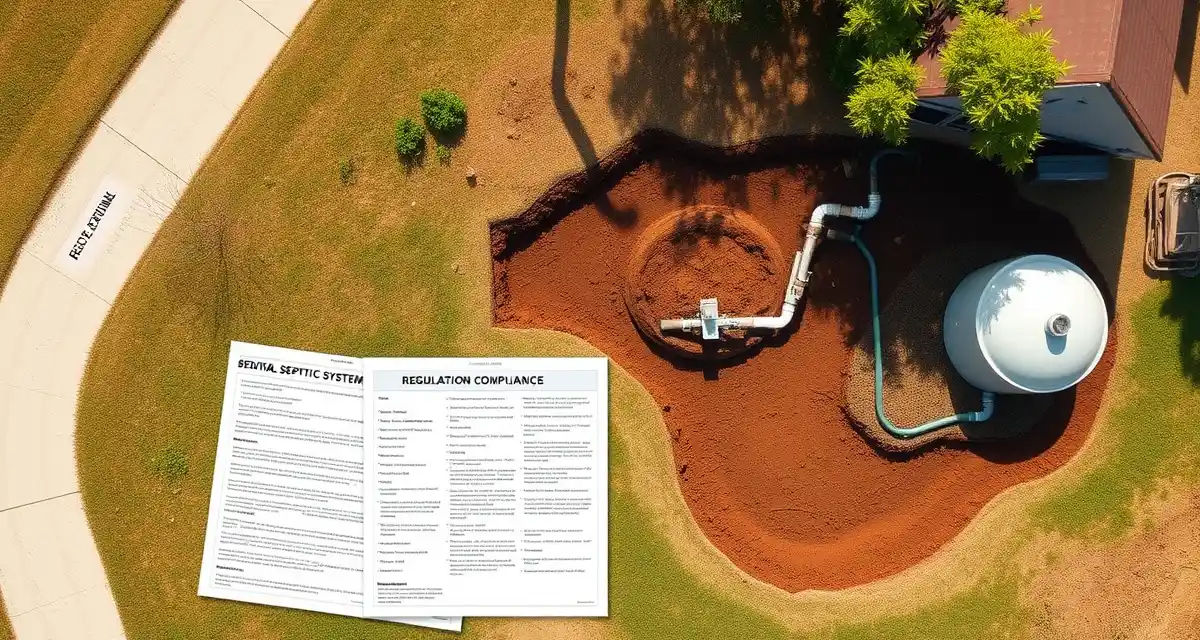
Florida Onsite Wastewater Regulations: The DOH Requirements Explained
By the SepticMind Editorial Team
Florida has the second-largest inventory of private septic systems in the country, with 2.6 million onsite sewage treatment and disposal systems (OSTDS) across the state. Regulating all of them runs through the Florida Department of Health (DOH), with enforcement delegated to 67 county health departments.
TL;DR
- Florida septic regulations are administered at the state level with enforcement typically delegated to county health or environmental departments.
- Licensing requirements for pumping, inspection, and installation work vary by county within Florida and should be verified with local authorities.
- Operating, maintenance, and inspection reporting requirements in Florida differ for conventional systems versus alternative systems like ATUs.
- Companies operating in multiple Florida counties need to track permit and reporting requirements by county, not just by state.
- State-mandated inspection report formats in Florida must be used for regulatory submissions; generic forms are typically not accepted.
- SepticMind's permit database covers Florida county-level requirements to reduce the research burden for multi-county operations.
If you're operating a septic company in Florida, you're navigating county-by-county enforcement of state OSTDS rules that vary enough between Miami-Dade and Madison County to create real compliance challenges when your work spans county lines. This guide covers the Florida DOH framework, what permits you need, and what's different between counties.
The Florida OSTDS Regulatory Framework
Florida's onsite sewage rules live primarily in Chapter 64E-6 of the Florida Administrative Code, which sets the technical standards for OSTDS design, installation, inspection, and maintenance. The Florida Department of Health establishes and enforces these rules statewide, but the county health departments are the ones your company actually works with for permits and inspections.
The county health department in each Florida county issues permits, conducts inspections, handles complaints, and maintains records for every OSTDS in their county. For a company working in multiple counties, each county's health department is a separate regulatory relationship with its own staff, processes, and sometimes its own interpretations of how to apply state rules.
SepticMind maps all 67 Florida county DOH OSTDS requirements in its compliance database, so the right forms and requirements load automatically based on job location.
Types of OSTDS Permits in Florida
Florida requires permits for essentially any work on an onsite sewage system. The specific permits required depend on the type of work.
New System Construction Permit
A new installation requires a construction permit from the county health department before work begins. The application requires:
- Site evaluation by a licensed professional
- Proposed system design meeting 64E-6 standards
- Survey showing setbacks to wells, surface water, and property lines
- Proof of lot size meeting minimum area requirements
Florida's minimum lot size requirements for conventional OSTDS vary by system type and soil conditions. The county health department reviews the application, may conduct a site visit, and issues or denies the permit.
Repair Permit
Repairing a failing Florida OSTDS requires a repair permit. This includes work to replace, modify, or expand any system component. The repair permit process is generally faster than a new system construction permit but still requires county approval before work begins.
Operating Permit
Advanced treatment systems in Florida, including performance-based treatment systems (PBTS), require an operating permit that must be renewed periodically. The operating permit requires regular maintenance contract documentation and performance reporting.
Abandonment Permit
When a property connects to public sewer and an OSTDS is taken out of service, an abandonment permit is required to properly close the system. This involves pumping, backfilling, and documentation filed with the county health department.
Inspection-Only Documentation
Florida doesn't issue permits for routine maintenance inspections, but does require that inspection results for certain system types (particularly advanced systems with monitoring requirements) be reported to the county health department.
Setback Requirements Under Florida Rules
Chapter 64E-6 establishes minimum setback distances for OSTDS components. These setbacks apply statewide, though some county-specific overlay requirements exist:
- 75 feet from a potable water well (for septic tanks and drainfields under certain conditions)
- 100 feet from a public water supply well
- Minimum distances from property lines depending on system type
- Setbacks from surface water based on classification of the water body
- Minimum distances from buildings and other structures
Florida's high water table, limestone geology, and proximity to coastal waters make setback compliance particularly important. Systems that don't meet setback requirements can threaten drinking water supplies and coastal water quality quickly.
County-Level Variation in Florida
State rules create the framework, but county health departments interpret and enforce them in ways that vary meaningfully between counties.
Urban vs rural differences
Miami-Dade County, Broward County, and other Southeast Florida counties have dense populations, high water tables, and heightened water quality concerns driven by proximity to Florida Bay, Biscayne Bay, and the Everglades. These counties have historically had more restrictive interpretations of state OSTDS rules and may require additional site analysis for borderline sites.
Rural North Florida counties operate with different staffing levels, different turnaround times for permits, and sometimes different expectations about required documentation. The process for getting a permit in Suwannee County is different from getting one in Orange County.
Spring and water body proximity
Florida has hundreds of springs that feed into the St. Johns River, the Suwannee River, and other water bodies. Counties near active spring systems, particularly those in FDEP's Springs Initiative areas, may have enhanced requirements for systems near spring sheds. Understanding whether a property is in a spring protection area is an important pre-job compliance step.
Special Protection Areas
Some Florida areas have special regulatory designations that add compliance requirements for OSTDS:
- Nitrogen-sensitive areas where advanced treatment systems may be required
- Flood-prone areas with seasonal high water table restrictions
- Areas with shallow depth to seasonal high water table requiring mound or drip systems
Identifying which special protection areas apply to a job location before permitting can prevent application rejections and delays.
Alternative Systems in Florida
Florida's geology means many properties can't support conventional OSTDS. Chapter 64E-6 recognizes several alternative system types:
Mound Systems
Required on sites with high seasonal water tables or shallow limiting layers. The mound elevates the drainfield above the natural ground surface to provide adequate soil treatment depth.
Drip Irrigation Systems
Used on sites where surface application of treated effluent is appropriate. Requires advanced treatment before distribution through drip emitters.
Performance-Based Treatment Systems (PBTS)
These advanced treatment systems are required on certain sites and are subject to Florida's enhanced operating permit requirements, including mandatory maintenance contracts and periodic performance monitoring. Florida DEP approved PBTS vendors must be used.
Aerobic Treatment Units
Specific ATU models approved by FDEP may be permitted in Florida. ATUs require maintenance contracts with certified service providers and regular performance monitoring.
Licensing Requirements for Florida Septic Companies
Florida requires licensing at both the company and individual level for onsite sewage work.
Septic Tank Contractor License
Florida's Department of Health requires a septic tank contractor license for individuals who install, repair, or modify OSTDS. This license requires passing an examination, meeting experience requirements, and maintaining continuing education credits.
Septic Tank Contractor Limited License
A limited license is available for certain categories of maintenance work. Check current FDOH requirements for which activities require a full vs. limited license.
Master Septic Tank Contractor
Companies typically require at least one Master Septic Tank Contractor of Record. The company license is tied to this individual's credentials.
Pump-Out Operations
Pump truck operators in Florida need to comply with county health department requirements for septage transport and disposal. Many counties require registration and manifests for septage hauling.
The Florida Septic System Upgrade Initiative
Florida has directed considerable policy attention toward septic-to-sewer conversion in areas with water quality concerns, particularly near springs and the Indian River Lagoon. Companies operating in these areas should be aware that some systems that are currently permitted may be targeted for conversion or enhanced treatment requirements under ongoing state water quality initiatives.
Staying current on FDEP and FDOH communications about these programs is important if you operate in affected areas.
OSTDS Inspection for Real Estate Transactions
Florida does not mandate septic inspections for real estate transactions at the state level, but the combination of lender requirements and buyer concerns drives high real estate inspection volume.
What Florida lenders typically want for OSTDS at a real estate transaction:
- Inspection report by a licensed contractor
- Documentation that the system meets current setback requirements
- Evidence the system is functioning without signs of failure
- For alternative systems, current operating permit documentation
The report format matters. County health departments and lenders in different parts of Florida may have different documentation expectations. SepticMind's Florida OSTDS inspection templates are formatted for the documentation requirements across the state's county health departments and major lender types.
Get Started with SepticMind
Operating in Florida means navigating county-level variation in permit requirements, inspection formats, and reporting deadlines. SepticMind's permit database covers Florida counties with forms, fee schedules, and timelines so you are prepared before you apply. See how it supports compliance in your service area.
Frequently Asked Questions
What does the Florida DOH require for OSTDS permits and inspections?
The Florida Department of Health, through its 67 county health departments, requires permits before new OSTDS construction, repair work, or system modifications. New system permits require a site evaluation, design meeting Chapter 64E-6 standards, and proof of required setbacks. Inspections are required during construction (before backfill) and at system completion. Advanced treatment systems require ongoing operating permits with performance monitoring.
How do septic requirements differ between Miami-Dade and rural north Florida counties?
Miami-Dade and Southeast Florida counties tend to have more restrictive site evaluation and documentation requirements driven by high water tables, environmental sensitivity, and proximity to coastal waters and the Everglades. Rural North Florida counties typically have simpler processes and shorter turnaround times, though all operate under the same state framework of Chapter 64E-6. Local interpretations, staffing capacity, and fee structures differ meaningfully between urban and rural county health departments.
Does SepticMind include Florida OSTDS repair permit documentation templates?
Yes. SepticMind's Florida compliance database includes repair permit application templates, inspection report formats, and documentation requirements specific to Florida's Chapter 64E-6 standards. Templates reflect county-level variations where they exist, and they load automatically when a job is created in a Florida county, eliminating manual research of county-specific requirements.
What state agency regulates septic systems in Florida?
Septic system regulation in Florida falls under the state environmental or health agency, with day-to-day enforcement handled by county health departments or environmental offices. Licensing for pumping, installation, and inspection work is issued at the state level, but permit applications for individual projects are reviewed at the county level. Contact both the state agency and your specific county office to confirm current requirements, since county rules can differ from the state baseline.
Do Florida septic inspection reports need to be filed with the county?
In Florida, most inspection reports for real estate transactions and O&M permit systems must be filed with the relevant county health department or environmental office within the timeframe specified by state regulation. The required form and filing timeline vary by report type; real estate inspection reports typically have stricter deadlines than routine O&M reports. Using state-standardized digital report templates ensures the format meets Florida's requirements and can be submitted electronically.
Try These Free Tools
Sources
- National Onsite Wastewater Recycling Association (NOWRA)
- US EPA Office of Wastewater Management
- NSF International
- Water Environment Federation
- National Environmental Services Center (NESC)