Onsite Wastewater Management for Northeast US Companies
By the SepticMind Editorial Team
The Northeast US has the highest per-capita rate of regulatory septic compliance actions in the country. That's not because Northeast homeowners are worse at maintaining their systems. It's because Northeast states have among the most complex and rigorously enforced onsite wastewater regulations in the country.
TL;DR
- Northeastern states including Massachusetts, Connecticut, Rhode Island, and New Hampshire have some of the most prescriptive septic inspection regulations in the country.
- Massachusetts Title 5 is the most detailed state inspection protocol in the US and requires a licensed inspector for every real estate transaction involving a septic system.
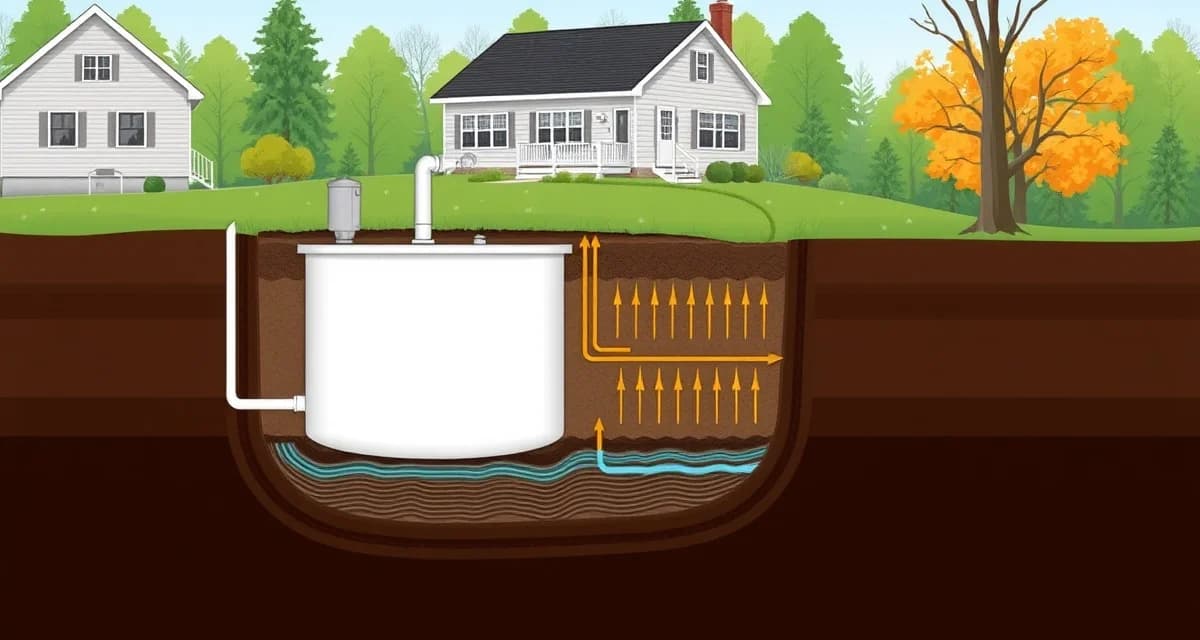
- High water table conditions in coastal and low-lying northeastern areas restrict system design options and require more frequent inspections.
- Nitrogen-sensitive watersheds in the Northeast (Cape Cod, Long Island Sound, Chesapeake Bay) impose additional treatment standards and monitoring requirements.
- Northeastern states have higher septic service costs than the national average due to local labor rates, disposal facility costs, and regulatory complexity.
- Multi-state operations in the Northeast need county-level permit tracking because state baseline rules vary significantly and counties add further requirements.
New England Title 5, NYS Appendix 75-A, and NJ DEP rules each require distinct compliance workflows. A company expanding from Massachusetts into Connecticut, or from New Jersey into New York, can't assume their existing compliance process carries over. It doesn't.
Why Northeast Compliance Is Different
Several factors make the Northeast regulatory environment more complex than most other US regions:
Groundwater protection. The Northeast has dense populations, shallow aquifers, and extensive coastal and lake frontage. State regulations reflect the sensitivity of these water resources. Massachusetts Title 5 was written specifically around protecting coastal zone groundwater. Suffolk County, NY has additional nitrogen-reducing requirements beyond state standards because of aquifer protection.
Point-of-sale inspection requirements. Massachusetts requires inspections at property transfer for most properties. Other states have disclosure or inspection requirements that create high inspection demand tied to real estate transactions.
Municipal and county variations. Within most Northeast states, county and municipal rules layer onto state requirements. Connecticut's regulations are state-administered through local health districts that sometimes add county-specific requirements. New York's 62-county structure means county health departments have notable latitude to add requirements beyond Appendix 75-A.
Regulatory staffing and enforcement. Northeast state environmental and health agencies are generally well-staffed and actively enforce compliance requirements. Audits occur. Violations are pursued.
Massachusetts: Title 5
Title 5 is the most recognized state onsite wastewater regulatory framework in the country. Key requirements:
- Mandatory inspection at property transfer (with limited exceptions)
- Licensed inspector credential separate from general plumbing or septic contractor license
- Specific inspection report format with required fields
- Inspection reports filed with local Board of Health
- Specific upgrade requirements for systems within certain distances from wells and surface water
SepticMind loads the correct state compliance template automatically based on job location in the Northeast, including Title 5's specific inspection form and filing requirements.
For companies based in Massachusetts, see the Title 5 compliance software guide for detailed feature coverage.
New York: Appendix 75-A
New York's onsite wastewater regulations are primarily administered through county health departments under the state Department of Health's Appendix 75-A framework. The state sets minimum standards; counties can and do exceed them.
Notable county-level variation:
- Suffolk County: Enhanced nitrogen-reducing system requirements, strict inspection standards
- Westchester County: Active inspection program with specific reporting requirements
- Rural upstate counties: Generally align with state minimums with less enforcement intensity
Companies operating across multiple New York counties need county-specific compliance configuration for each area of operation.
New Jersey: DEP NJAC 7:9A
New Jersey's onsite wastewater regulations fall under the NJ DEP, with notable county health department involvement. The system of local boards of health creates variation similar to New York's county structure.
NJ has specific requirements for:
- Alternative system maintenance providers (designation required)
- Inspection requirements for certain property classes
- Reporting to local health departments
Connecticut, Rhode Island, Vermont, New Hampshire, Maine
Each of the remaining New England states has its own regulatory framework:
Connecticut: Regulated through Connecticut DPH and local health districts. Local variation is notable.
Rhode Island: RIDEM Regulations for Onsite Wastewater Treatment Systems. Relatively centralized administration.
Vermont: Agency of Natural Resources. Vermont has notable alternative system penetration due to challenging soil conditions in many areas.
New Hampshire: DES Env-Wq rules, administered through local health officers with state oversight.
Maine: DEP regulations with town-level administration. Maine has notable rural septic density.
Pennsylvania
Pennsylvania's onsite wastewater regulations fall under the Department of Environmental Protection's Chapter 73 (Individual Sewage Systems). Municipal sewage enforcement officers (SEOs) are the front-line administrators, creating notable local variation across Pennsylvania's 67 counties.
Get Started with SepticMind
SepticMind is designed around the actual workflows of septic service companies, from county permit tracking to automated maintenance reminders. Whether you are managing a single truck or a multi-county fleet, the platform scales with your operation. See how it works for your business.
Frequently Asked Questions
Which Northeast states require the most complex septic inspection documentation?
Massachusetts Title 5 and Suffolk County, New York have the most complex inspection documentation requirements in the Northeast. Massachusetts requires a specific inspection form with mandatory fields, submission to the local Board of Health, and licensed inspector credentials beyond a general contractor license. Suffolk County adds nitrogen-reducing system requirements and strict inspection standards on top of NYS Appendix 75-A. Connecticut's local health district structure creates documentation complexity through variation rather than through a single complex standard.
Does SepticMind cover Massachusetts Title 5 and New York Appendix 75-A simultaneously?
Yes. SepticMind's compliance templates cover both frameworks within the same platform. A company operating in both Massachusetts and New York uses a single SepticMind account with Massachusetts jobs loading Title 5 requirements and New York jobs loading Appendix 75-A requirements. Each compliance framework is location-aware, so the correct template loads based on the job address without manual selection.
How do I manage compliance for a company operating across three northeastern states?
Use a platform that loads compliance requirements by job location automatically, so you don't have to manually track which framework applies to each job. In SepticMind, every job created in the Northeast loads the correct state compliance template for the job address. You configure each state's compliance settings once, and the system applies them automatically to every job created in that state. This eliminates the manual lookup process that creates compliance errors when operating across multiple Northeast states simultaneously.
What makes Massachusetts Title 5 requirements distinct from other state inspection programs?
Massachusetts Title 5 requires a licensed Title 5 inspector for every septic inspection associated with a real estate transaction, and the inspector must submit the report to the Board of Health within 30 days of inspection. The report includes a conditional pass or fail determination based on specific criteria that include system age, observed component condition, hydraulic load capacity, and setback distances. A failed Title 5 inspection can block a property sale until the system is repaired or replaced. No other state inspection program combines the mandatory pre-sale requirement with the same level of inspector licensing specificity.
How do nitrogen-sensitive watershed requirements affect septic service in the Northeast?
Properties in nitrogen-sensitive watersheds (Cape Cod, Chesapeake Bay tributaries, Long Island Sound) face additional treatment requirements that exceed standard Title 5 or state inspection standards. These may include nitrogen-reducing technology requirements, enhanced monitoring, and more frequent inspection and reporting. Service companies operating in these areas need to understand the watershed-specific overlays on top of state baseline requirements. Failure to comply with nitrogen-sensitive watershed rules can result in enforcement actions from both state and federal agencies.
Try These Free Tools
Sources
- National Onsite Wastewater Recycling Association (NOWRA)
- US EPA Office of Wastewater Management
- NSF International
- Water Environment Federation
- National Environmental Services Center (NESC)