Van's Sewer Septic & Automatic Grease Service
Septic Company in South Windsor, Connecticut
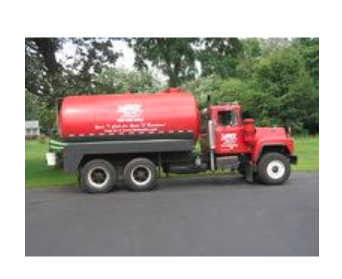
About Van's Sewer Septic & Automatic Grease Service
Based at 1330 Main St in South Windsor, Van's Sewer Septic & Automatic Grease Service covers septic services. They do not have Yelp reviews posted yet. Services include septic services. Connecticut's small size means most providers serve multiple towns.
Services
Septic Services
Services & Process
Services at Van's Sewer Septic & Automatic Grease Service include septic services. If you are on a septic system, you need a local company that knows the soil, regulations, and common failure points in your area. Call (860) 716-1067.
Service Area
Van's Sewer Septic & Automatic Grease Service is at 1330 Main St in South Windsor, CT. They serve the local area and surrounding communities.
Frequently Asked Questions
What are signs my septic system is failing?
Slow drains, sewage odors inside or outside, gurgling pipes, wet or spongy ground near the drain field, and sewage backup are all warning signs. Call (860) 716-1067 before the problem gets worse.
What does Van's Sewer Septic & Automatic Grease Service do?
Van's Sewer Septic & Automatic Grease Service handles septic services in South Windsor, CT. Common services include septic pumping, inspections, repairs, drain field work, and new installations. Call (860) 716-1067.
Does Van's Sewer Septic & Automatic Grease Service do septic inspections for home sales?
Most septic companies offer pre-sale inspections that buyers and sellers need for real estate transactions. Call (860) 716-1067 to ask about their inspection process and turnaround time.
How often should I pump my septic tank?
Every 3 to 5 years for most households. Larger families or smaller tanks may need it more often. Call Van's Sewer Septic & Automatic Grease Service at (860) 716-1067 to schedule or to ask when you are due.
Can a septic system be repaired or does it need replacement?
It depends on what failed. Minor issues like a damaged baffle or pump can be repaired. A saturated drain field usually needs replacement. Call (860) 716-1067 for an honest assessment.
Is this your business?
Claim your listing to update your info and connect with customers.
Claim This ListingNearby Septic Companies in Connecticut
Van's Sewer & Septic ServiceVernon, CTUnlimited Excavation and ConstructionBridgeport, CT· 5 ★Webber ExcavatingRidgefield, CT· 5 ★United Sewer & Drain CleaningStratford, CT· 5 ★Sun ConstructionWethersfield, CT· 5 ★Aft End SepticAnsonia, CTBrown Septic SystemsSouthbury, CT· 5 ★Russ's Septic ServiceRiverton, CT· 5 ★Lussier & Sons Septic ServicesClinton, CT· 4.3 ★Loyd Clark & Sons Septic ServicesOxford, CT· 5 ★