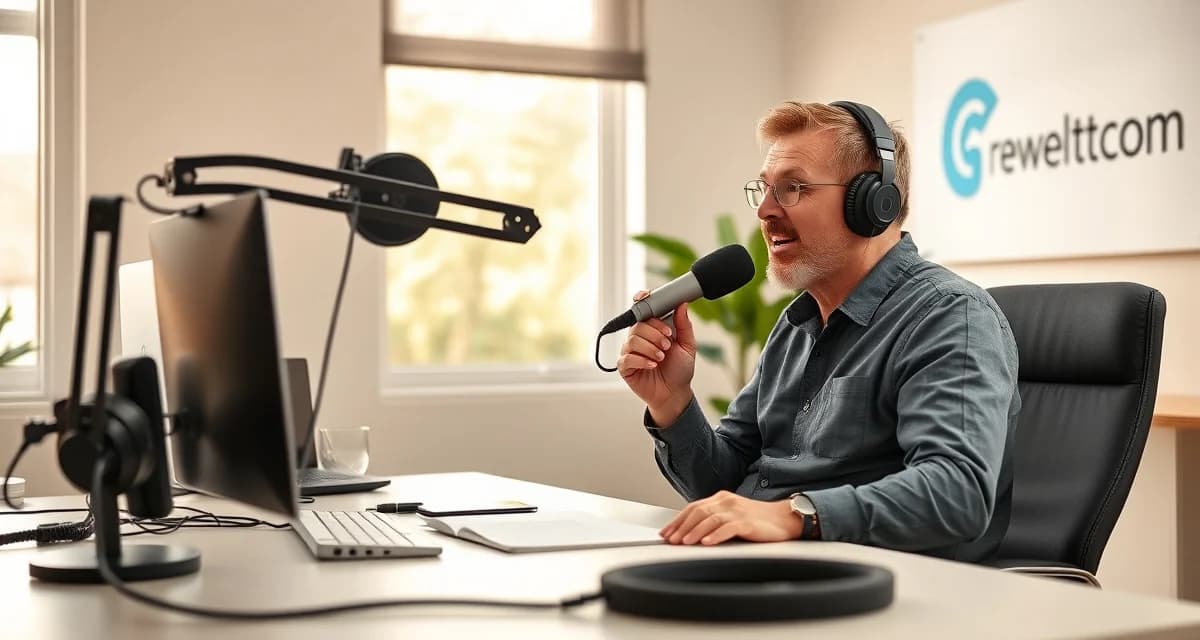
Septic Company Podcast Guide: Building Authority and Attracting Talent
By the SepticMind Editorial Team
Companies with visible founders who share expertise publicly acquire customers at 27% lower cost. That's a meaningful number, a 27% reduction in customer acquisition cost is the equivalent of getting a quarter of your marketing budget back, just from positioning yourself as a known expert rather than an anonymous service company. Content that demonstrates expertise builds trust with real estate agents, who are key referral sources for inspection and real estate transaction work.
TL;DR
- Septic Company Podcast Guide: Building Authority and Attracting Talent requires balancing field operations, customer relationships, compliance obligations, and administrative management.
- Recurring service agreements provide the most predictable revenue base in the septic trade and should be a priority for growing businesses.
- Digital tools that automate scheduling, reminders, invoicing, and reporting reduce administrative overhead without adding staff.
- Tracking key performance metrics by route, technician, and service type identifies the most profitable and least profitable parts of the operation.
- Customer retention improvement through systematic follow-up typically generates more revenue than equivalent spending on new customer acquisition.
- Building commercial and institutional accounts alongside residential pumping creates revenue stability that supports equipment and hiring decisions.
Starting a podcast (or a YouTube channel with similar content) is one of the most accessible ways to build that expertise visibility. This guide is for septic company owners who want to build authority through content.
Why Podcasts and Video Work for Septic Companies
The intuitive objection to content marketing for a trade business is "nobody wants to listen to a podcast about septic systems." That's mostly wrong, for a specific reason: the audience isn't homeowners looking for entertainment. It's the professionals who refer septic work, real estate agents, home inspectors, property managers, and commercial facilities managers.
A real estate agent who has listened to 10 episodes of a local septic company owner explaining real estate inspection requirements, permit processes, and system condition evaluation is more likely to refer that company than any other. They know the owner is knowledgeable, professional, and able to communicate clearly with their clients. That referral relationship is worth far more than any advertising.
Similarly, a facilities director at a commercial property management company who has heard a septic company owner discuss commercial septic compliance considers that company when they need a new vendor, without any active sales effort.
Content also attracts talent. Quality technicians and field staff are watching how companies present themselves. A company with a visible, expert owner who talks about the profession publicly signals that working there involves pride of craft, a meaningful differentiator when competing for limited-availability experienced technicians.
What Content to Create
The content that performs best for septic company authority building is educational and specific:
Real estate transaction content. Episodes or videos explaining the septic inspection process from a buyer's and agent's perspective. What does an inspection cover? What do common findings mean? What happens when a system fails an inspection? This content is directly useful to your core referral audience.
Regulatory and compliance content. Explaining state and county permit requirements, what types of work require permits, what lenders require for septic documentation. This demonstrates expertise in the regulatory complexity that confuses homeowners and even some agents.
System type explanations. Accessible explanations of different septic system types (conventional, mound, ATU, drip) in plain language. This content ranks well in search and establishes expertise for prospects who are researching their specific system type.
Seasonal tips. What homeowners should know about septic care in spring, summer, fall, and winter. Practical, useful content that generates goodwill and search visibility.
Business owner content. If you're targeting real estate agents and commercial clients, content about your company's processes (how you handle inspections, what your documentation looks like, what your emergency response commitment is) is directly relevant to their vendor evaluation process.
Starting a Podcast: The Minimum Viable Setup
Starting a podcast requires less equipment than most people assume:
Recording equipment. A USB microphone ($80-150 range: Audio-Technica ATR2100, Samson Q2U) produces professional-quality audio for interviews and solo episodes. A quiet room with soft furnishings (a bedroom or a small office with carpet and curtains) handles acoustic treatment without a dedicated recording space.
Recording software. Audacity (free) or Garageband (free on Mac) handle recording and basic editing. For remote interviews, Riverside.fm ($15-25/month) records each participant locally for high-quality audio regardless of internet connection quality.
Distribution. Buzzsprout, Podbean, or Anchor handle podcast hosting and distribution to Apple Podcasts, Spotify, and other platforms for $12-20/month.
Consistency over production value. A podcast that publishes monthly with average audio quality builds audience faster than a podcast with perfect production that publishes unpredictably. Commit to a sustainable schedule before launching.
YouTube as an Alternative to Audio Podcasting
YouTube has a notable advantage over audio podcasting for trade business content: video of you working, your equipment, job sites, and system components is far more engaging than audio description alone.
A 5-minute YouTube video showing how a septic inspection is conducted (camera following you through the process while you explain what you're looking for) is more useful and more shareable than an audio podcast describing the same inspection. Real estate agents can share that video with their buyers. Homeowners searching for "what does a septic inspection involve" find it in YouTube search.
YouTube content requires a smartphone and decent lighting, not professional video equipment. Many successful trade business YouTube channels are shot entirely on an iPhone, with the phone propped on a stand during field demos.
Get Started with SepticMind
Running a profitable septic business means managing compliance, customer relationships, and field operations without letting any of them slip. SepticMind handles the operational and compliance infrastructure so you can focus on growing the business. See what the platform can do for your operation.
Frequently Asked Questions
Should a septic company owner start a podcast or YouTube channel?
Both are viable, and the choice depends on your preference and where your target audience spends time. YouTube has advantages for trade content because video allows you to show what you're describing (an on-site demonstration is worth more than verbal description for septic work. YouTube is also a major search engine, so well-titled videos generate ongoing organic traffic. Podcasts work better for interview-format content with real estate agents, inspectors, and industry experts) conversations that benefit from audio intimacy rather than video production. If you want to reach real estate agents specifically, a podcast with agent interviews ("I talk to agents about what they wish they knew about septic inspections before their first rural transaction") creates an audience that's exactly your referral target.
What content topics resonate most with real estate agents and home inspectors?
For real estate agents: the septic inspection process from a buyer's perspective, what common findings actually mean for transaction outcomes, lender requirements for septic documentation (FHA, VA, USDA), how to set timeline expectations with buyers who need septic inspections, and what to do when an inspection finds a failing system. For home inspectors: how septic inspections differ from home inspections, what questions clients ask that inspectors can refer to a septic specialist, how to coordinate inspection timing when both home and septic inspections are needed. Both audiences benefit from content that makes their job easier and their clients better served, not content that sells your services. The authority building happens through genuine usefulness, not marketing messaging.
How does content authority affect a septic company's ability to raise prices?
Price resistance is fundamentally a trust and differentiation problem. Customers who see you as interchangeable with any other truck will push back on prices above average. Customers who have followed your podcast, read your content, or been referred by an agent who vouches for your expertise perceive more value in working with you specifically. That perceived differentiation reduces price resistance. Companies with visible expertise (content, credentials prominently displayed, professional documentation) consistently command 15-25% price premiums over generic competitors in the same market. The premium comes from the prospect's confidence that they're hiring a professional rather than whoever shows up in the search results.
What metrics matter most for managing a septic service business?
The most important operational metrics for a septic service company are route utilization rate (percentage of available truck capacity actually booked), customer retention rate (percentage of customers who return for the next service visit), revenue per truck per day, cost per job including labor, disposal, fuel, and overhead allocation, and recurring revenue percentage from service agreements versus one-time calls. Companies that track these metrics by route and by technician identify improvement opportunities faster than those looking only at total revenue.
How does field service software reduce administrative costs for septic companies?
Field service software eliminates manual steps in scheduling, dispatching, invoicing, permit tracking, and inspection report preparation. Tasks that take an office manager 2-4 hours per day on spreadsheets and phone calls are handled automatically: reminders go out, reports generate, invoices are sent, and permit deadlines are flagged without human intervention. The hours saved are redeployed to customer service, sales, and higher-value work that grows the business.
Try These Free Tools
Sources
- National Onsite Wastewater Recycling Association (NOWRA)
- US EPA Office of Wastewater Management
- National Environmental Services Center (NESC)
- Water Environment Federation
- Occupational Safety and Health Administration (OSHA)