Rogers Septic Maintenance & Repair
Septic Company in Des Moines, Iowa
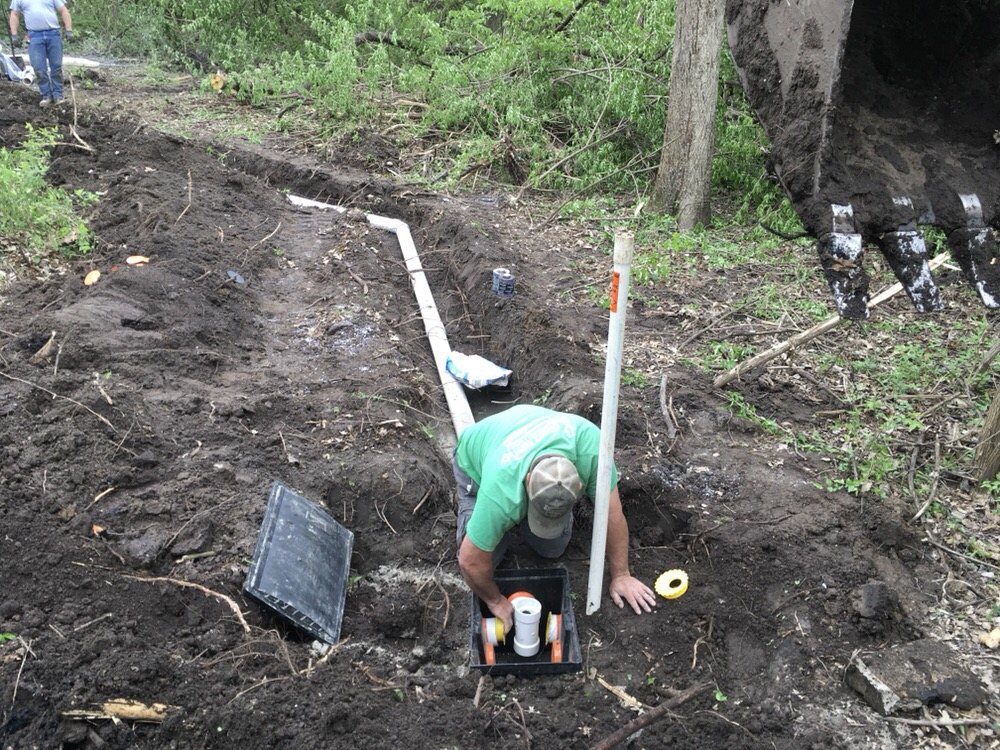
About Rogers Septic Maintenance & Repair
At 401 NE 52nd Ave in Des Moines, Rogers Septic Maintenance & Repair handles septic services. They do not have Yelp reviews posted yet. Services include septic services.
Services
Septic Services
Services & Process
Services at Rogers Septic Maintenance & Repair include septic services. If you are on a septic system, you need a local company that knows the soil, regulations, and common failure points in your area. Call (515) 745-8352.
Service Area
Rogers Septic Maintenance & Repair is at 401 NE 52nd Ave in Des Moines, IA. They serve the local area and surrounding communities.
Frequently Asked Questions
What are signs my septic system is failing?
Slow drains, sewage odors inside or outside, gurgling pipes, wet or spongy ground near the drain field, and sewage backup are all warning signs. Call (515) 745-8352 before the problem gets worse.
How much does septic pumping cost?
A standard residential pump-out typically costs $250 to $600 depending on tank size and access. Call (515) 745-8352 for a specific quote for your property.
Does Rogers Septic Maintenance & Repair install new septic systems?
Some companies handle both maintenance and new installations. New systems require permits, perc tests, and engineering. Call (515) 745-8352 to ask about their installation services.
What does Rogers Septic Maintenance & Repair do?
Rogers Septic Maintenance & Repair handles septic services in Des Moines, IA. Common services include septic pumping, inspections, repairs, drain field work, and new installations. Call (515) 745-8352.
Does Rogers Septic Maintenance & Repair do septic inspections for home sales?
Most septic companies offer pre-sale inspections that buyers and sellers need for real estate transactions. Call (515) 745-8352 to ask about their inspection process and turnaround time.
Is this your business?
Claim your listing to update your info and connect with customers.
Claim This ListingNearby Septic Companies in Iowa
A King's ThroneDes Moines, IABob's Septic Tank & Portable Restroom ServiceDes Moines, IA· 1 ★Gallon PlumbingDes Moines, IA· 1 ★Greenwood's Sewer ServiceDes Moines, IA· 3.5 ★H2O Plumbing ServicesDes Moines, IARooter Ranger PlumbingGrimes, IA· 2.2 ★Robinson Septic Tank ServiceDes Moines, IARoto-Rooter Des MoinesGrimes, IA· 2 ★Rhiner’s ServicesWaukee, IA· 5 ★Mollitor ConstructionBoone, IA